


How CxC Challenged Me as a Communicator
September 29, 2026
Ready to Roar In Action: Student Stories
At LSU, career readiness happens everywhere. In this series, students reflect on how their campus involvement connects to the Ready to Roar career proficiencies and helps prepare them for life after graduation.
Every week at the LSU Communication Across the Curriculum (CxC) studio, a student walks in carrying a rough draft or outline of an assignment, hoping that one of our coaches can help them “fix” it. Many of these students, however, don’t just carry these assignments, they carry their uncertainty, anxiety, and frustration; they carry that quiet fear that they aren’t good enough writers or public speakers.
In each of these students, I see my younger self reflected back to me, and I know they need exactly what I needed then: reassurance and guidance. I’ll never forget how timid and uncertain I was walking into the Art and Design Studio as a CxC Employee for the first time in the spring of 2024. My first semester was spent with endless training, professional development meetings, and time at the front desk checking out audio-visual equipment for clients. Soon, though, I began to take on written communication appointments.
At first, I thought communication coaching meant helping students improve their work by telling them what was wrong with their assignments, but I quickly realized that helping clients isn’t just about fixing the paper, presentation, or project. Communication coaching is about helping students discover their confidence and guiding them to understand how capable they are.
Learning to Coach, Not Correct
I initially believed that being a strong writer would naturally make me a strong communication coach. Writing has always been one of my strengths, and I assumed that my ability to identify issues within an assignment would translate directly into my ability to help others improve their work. However, I quickly learned that communication coaching is about more than just editing.
My first coaching appointment reflected this misconception. I remember focusing too heavily on identifying areas for improvement and providing suggestions to the client. It took me a while to realize that effective coaching requires collaboration.Students don’t need someone to tell them what’s wrong with their assignment–they need someone who will listen, ask questions, and guide them towards their own experiences and ideas.
As I gained more experience with coaching, my approach to it evolved. Instead of focusing only on the assignment in front of me, I began focusing on the person sitting beside me.
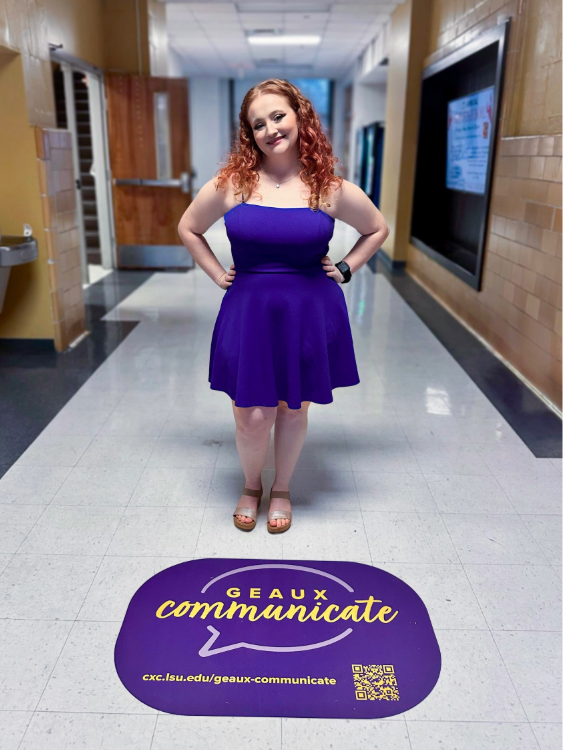
I learned to recognize when a student needed more than feedback–when they needed reassurance and encouragement to feel comfortable developing their own ideas.
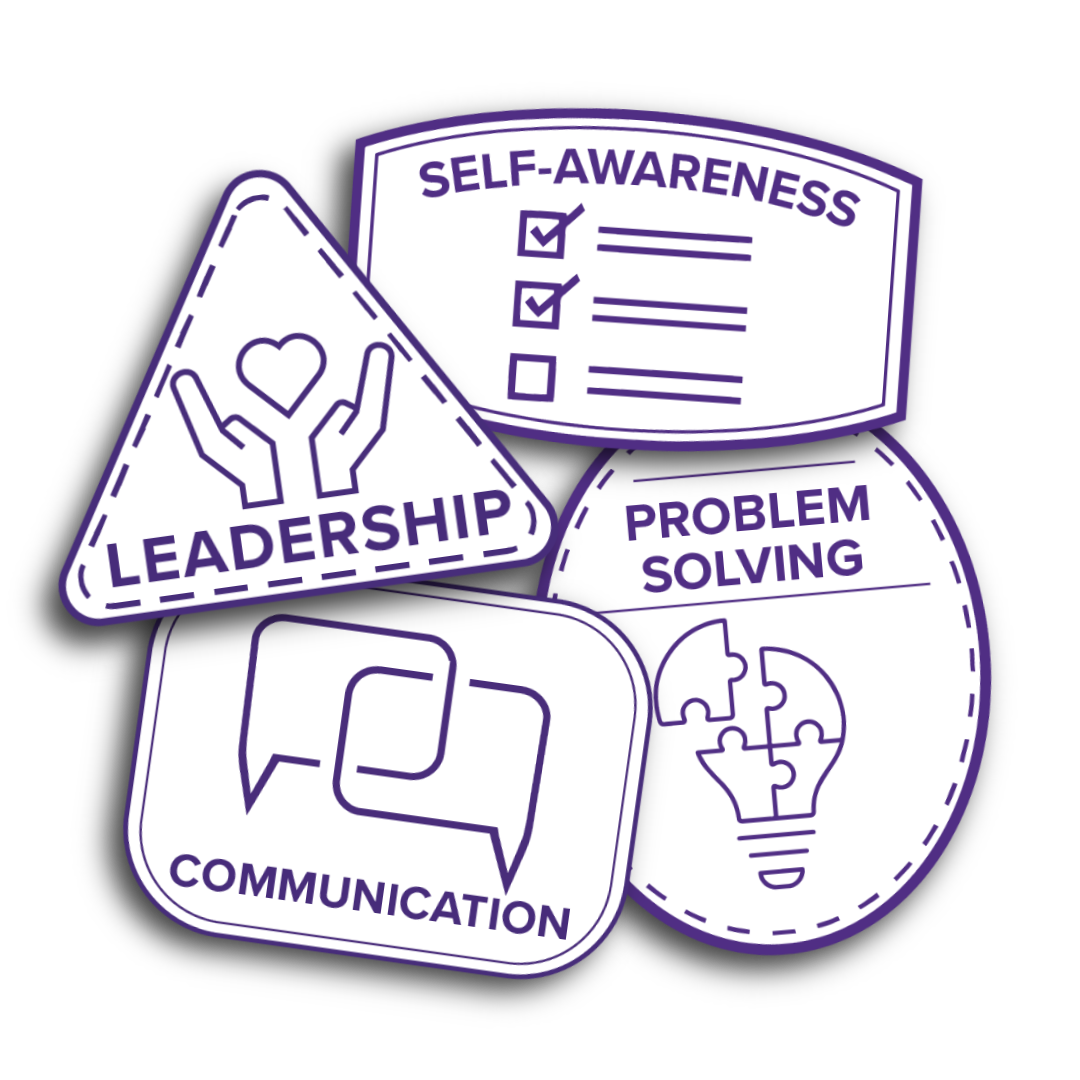
It took a lot of self-reflection to understand the needs of clients. Even today, I must often reevaluate my appointment styles and determine how to best serve my clients. I’ve learned that being an effective coach requires more than knowing what advice to give; it requires knowing when and how to give it. Through communication, I learned to recognize when a client was struggling, while self-awareness taught me to recognize when my own approach might be contributing to that struggle. Problem solving allowed me to adapt my approach, and leadership emphasized that being a coach doesn’t mean taking control of the solution–it means giving the client the guidance and confidence to find it for themselves.
Communicating Beyond the Page
Communication doesn’t solely exist within a single format. As a Written, Spoken, Web-Design, and Intercultural Communication Coach I have worked with students on essays, speeches, presentations, websites, digital projects, and multimedia assignments. Each of these formats requires a different strategy and approach. Through my work at CxC and my coursework, I’ve learned how technology influences the ways in which people communicate. In Zack Godshall’s Honors Film and Poetry Class, I was introduced to audio-visual equipment and began thinking more critically about the ways that film can construct meaning. What began as a fun elective class further inspired me to pursue a minor in Screen Arts.
It was through this Communication-Intensive (C-I) Course that I began to see technology as not simply a tool for delivering a message, rather the choices we make when communicating with that technology can become part of the message itself. This class ultimately led me to complete my own documentary research in SCRN 2001. As part of the research for the 10-minute documentary, I researched LGBTQ+ experiences at LSU and translated my academic research into something more digestible for wider audiences.
My research was academic, but the project was deeply human. Rather than asking my audience to engage with pages of research and statistics, I utilized human interviews of LGBTQ+ students with real experiences on campus and in the Baton Rouge area.
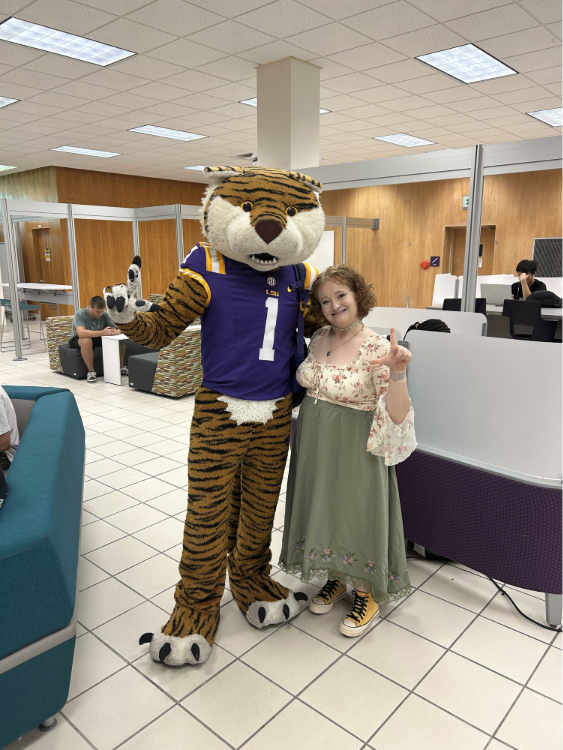
Through these visuals, audio, and storytelling, I could communicate the experiences behind the research I conducted. I was no longer simply asking my audience to understand my research, rather I was asking them to understand the people represented by it.
These experiences have strengthened my understanding of digital literacy. Digital literacy is not simply knowing how to operate a technological resource; it’s understanding how to utilize that resource effectively to accomplish a goal. Whether I’m assisting a student prepare a presentation, creating a multimedia project, or translating my own research into a documentary, I have learned to consider both my audience and my medium. The same message may need to be communicated differently depending on who is receiving it and how they are receiving it.
Meeting People Where They Are
One of the most meaningful aspects of my CxC experience has been working with students from a variety of backgrounds and experiences. As an Intercultural Communication Coach, I have been given the opportunity to work with both native English speakers and English language learners, discovering the ways that culture and personal experience influence distinct communication across all modes.
Working with my coworkers at CxC, I’ve acquired experience in coaching English language learners, and have even constructed detailed lesson plans for conversation practice appointments.

Often, many of these intercultural students enter our space feeling vulnerable, uncertain, and anxious, worrying that their English language capabilities prevent them from communicating with others effectively and getting their messages across.
Through repeat conversation appointments with clients, I have watched as the work I do to help them feel comfortable with themselves makes them grow in both their confidence and their abilities. These types of appointments are my favorite; they have taught me the importance of approaching every student with patience, empathy, and an understanding that everyone communicates differently.
Communication has never been a one-size-fits-all, so effective communicators and coaches alike must be willing to listen and learn from different perspectives. Each student brings unique experiences, unique thoughts, and unique challenges into the conversation, ultimately teaching me how to have a more nuanced mindset.
Continuing to Grow as a Communicator
My time as an LSU student and as an employee at Communication Across the Curriculum is soon coming to an end, but I will never forget the ways that this experience has changed me. When I strolled into my first day on the job, I was certain that communication coaching was about improving the assignments, but I now understand that it’s so much more than that. It’s about connecting with them, encouraging them, and emphasizing that they have the skills and abilities to communicate with confidence.
As I continue pursuing the Distinguished Communicator medal (a recognition opportunity for those who craft a portfolio of their work and how they communicate within their field), I am certain that my skills and abilities will continue to grow. It has been here, as an LSU student and as an employee of CxC, that I have discovered my dream: to educate others and improve their confidence in themselves.
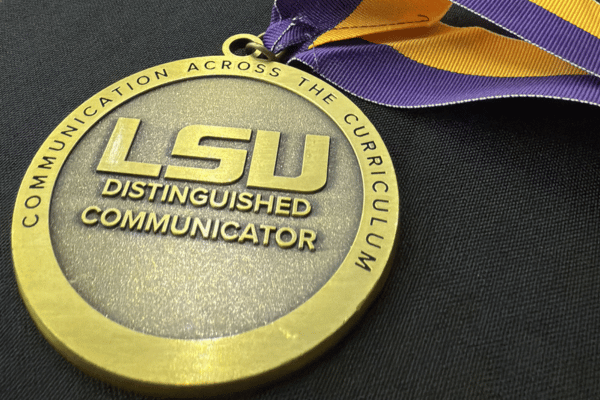
Both the work I’ve done within my studies and as an employee of the organization has prepared me for my future career, and the skills I have honed through these experiences will continue to guide me. Whether I pursue advocacy, media production, communication-focused work, or professorialship, I have made it my goal to help others share their stories and grow their skills. I will teach others to make their stories and voices known.
I came into CxC in the spring of 2024, certain I would educate students on how to write more effectively. Instead, I discovered that helping students develop their voices and confidence is something I want to spend the rest of my career working toward.
About the LSU Career Center
Our team is committed to ensuring every student has ample opportunities to gain experience, grow their network, and communicate their aptitude for a chosen career long before graduation. We believe LSU students are unparalleled in their potential to step into leadership, solve problems, and elevate the workforce for the benefit of all.
Ready to Roar Career Proficiencies
At LSU, you’ll gain the knowledge and experience to succeed in any field. With a blend of professional experiences, academic pursuits, and involvement opportunities both on and off campus, you'll graduate Ready to Roar.