

LSU Health New Orleans’ Rural Track Scholars Program for Dentists Impacts Communities Across the State
March 16, 2026
Whether it’s at Walmart or high school football games, Dr. Mason Liles’ conversations quickly turn from prices and plays to cavities and root canals. As a dentist serving patients in rural Louisiana, Dr. Liles is always on the job.
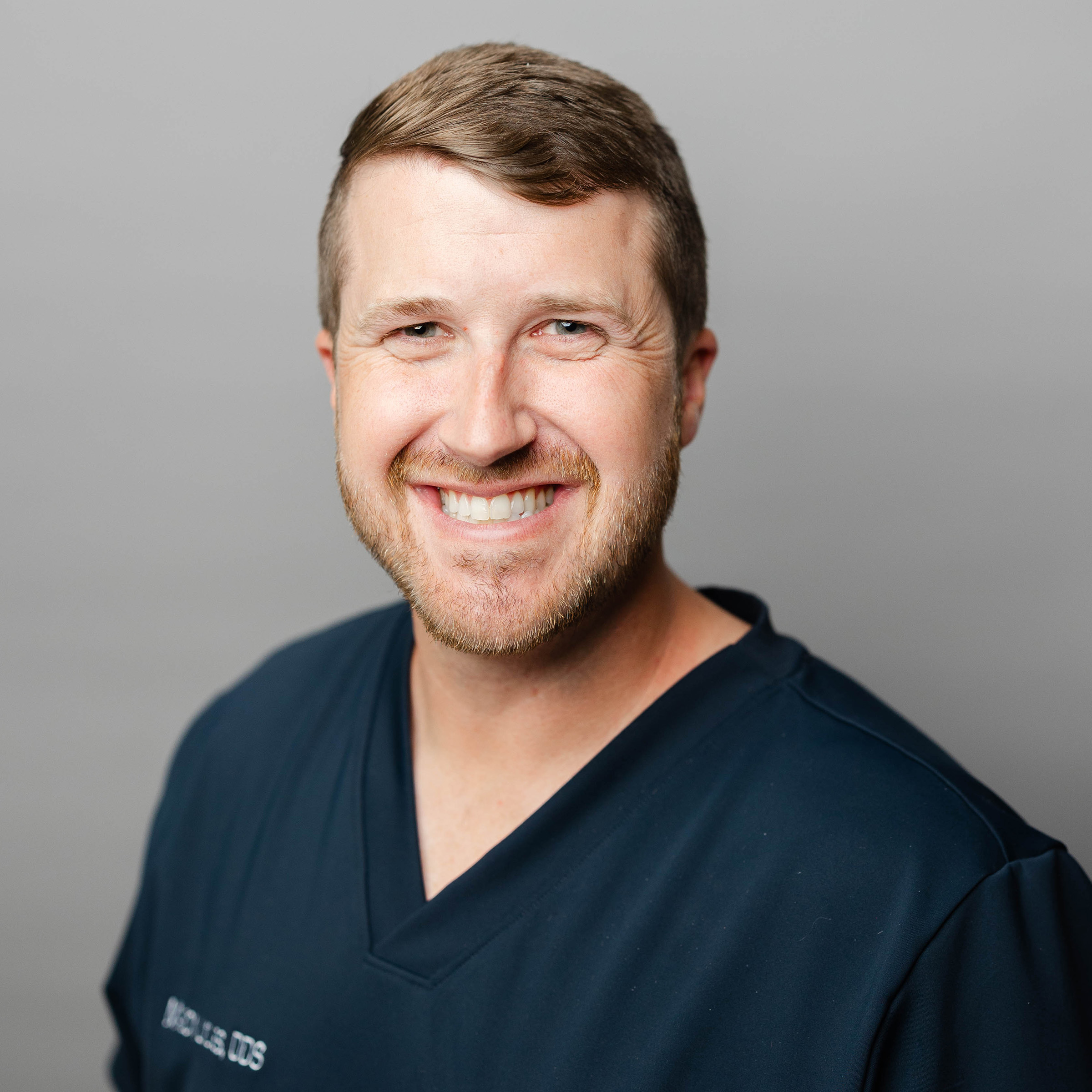
Dr. Mason Liles, graduate of the LSU Health New Orleans’ Rural Track Scholars Program, splits his time between two clinics in rural Richland Parish: one in Rayville and one in Mangham.
“Practicing in a rural community means being present all the time,” Dr. Liles said. “I see patients everywhere I go, and families feel comfortable reaching out when they need help. That level of trust is what makes serving a small town so meaningful.”
Dr. Liles was one of the first dentists to graduate from LSU Health New Orleans’ Rural Track Scholars Program, launched through generous support from donors Carl and Beulah Baldridge, with additional support from Dr. Jeffrey Feingold, a Florida-based dentist and philanthropist. Dr. Liles received free tuition during his junior and senior years in exchange for a commitment to serve communities in rural Louisiana after graduation. As that was already a calling for Dr. Liles, joining the program was a no-brainer.
“I always wanted to be a general dentist because I wanted to be able to help everybody,” Dr. Liles said. “We’re often pulling baby teeth and putting in dentures the same day—we do everything. Also, I grew up close to here, in Winnsboro, and knew the need in the area. People drive 30-45 minutes to see us.”
Dr. Liles splits his time between two clinics in Richland Parish: one in Rayville, which has a population of about 3,000, and one in Mangham, a small town of 600 people. Both operate under the name Southern Smiles Family Dentistry, and Dr. Liles will move up from partner to owner this year.
“I’ve been here for four years and expect to be here for the next 20, at least,” Dr. Liles said. “Once I realized the impact we have on the community, I just couldn’t imagine moving anywhere else.”
During his career, Dr. Liles will see children grow into adults with children of their own.
“Many families in our parish are working hard to make ends meet, and access to dental care isn’t always easy,” Dr. Liles said. “We often care for large families at the same time, intentionally blocking our schedule so everyone can receive the care they need in one visit.”
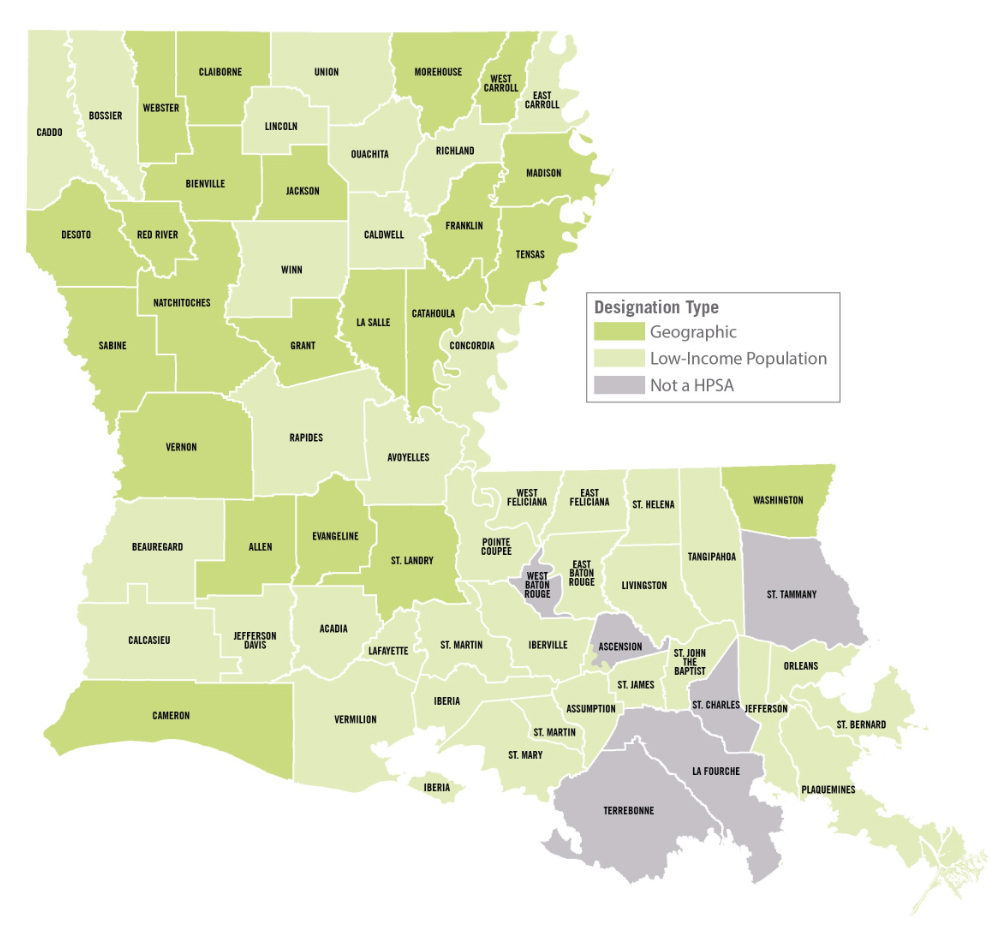
As many as 44 of Louisiana’s 64 parishes are designated as rural, and 86% of Louisiana residents live in a dental Health Professional Shortage Area (HPSA) as designated by the Health Resources & Services Administration.
The area where Dr. Liles practices is considered 100% rural by the U.S. Census. It’s also designated as a Dental Health Professional Shortage Area, which applies to as many as 55 of Louisiana’s 64 parishes. Only about 14% of active dentists in America serve rural communities.
“I do believe I’ve become a better dentist because of where I work,” Dr. Liles said. “The patients we see need a lot of treatment and this has forced me to broaden my skillset. We’re always busy and can never slow down or step away.”
“It sounds like a lot, but the LSU School of Dentistry prepared me for this,” Dr. Liles added. “My mentors told me what I’d be running into and therefore should expect—knowledge I now try to share with others.”
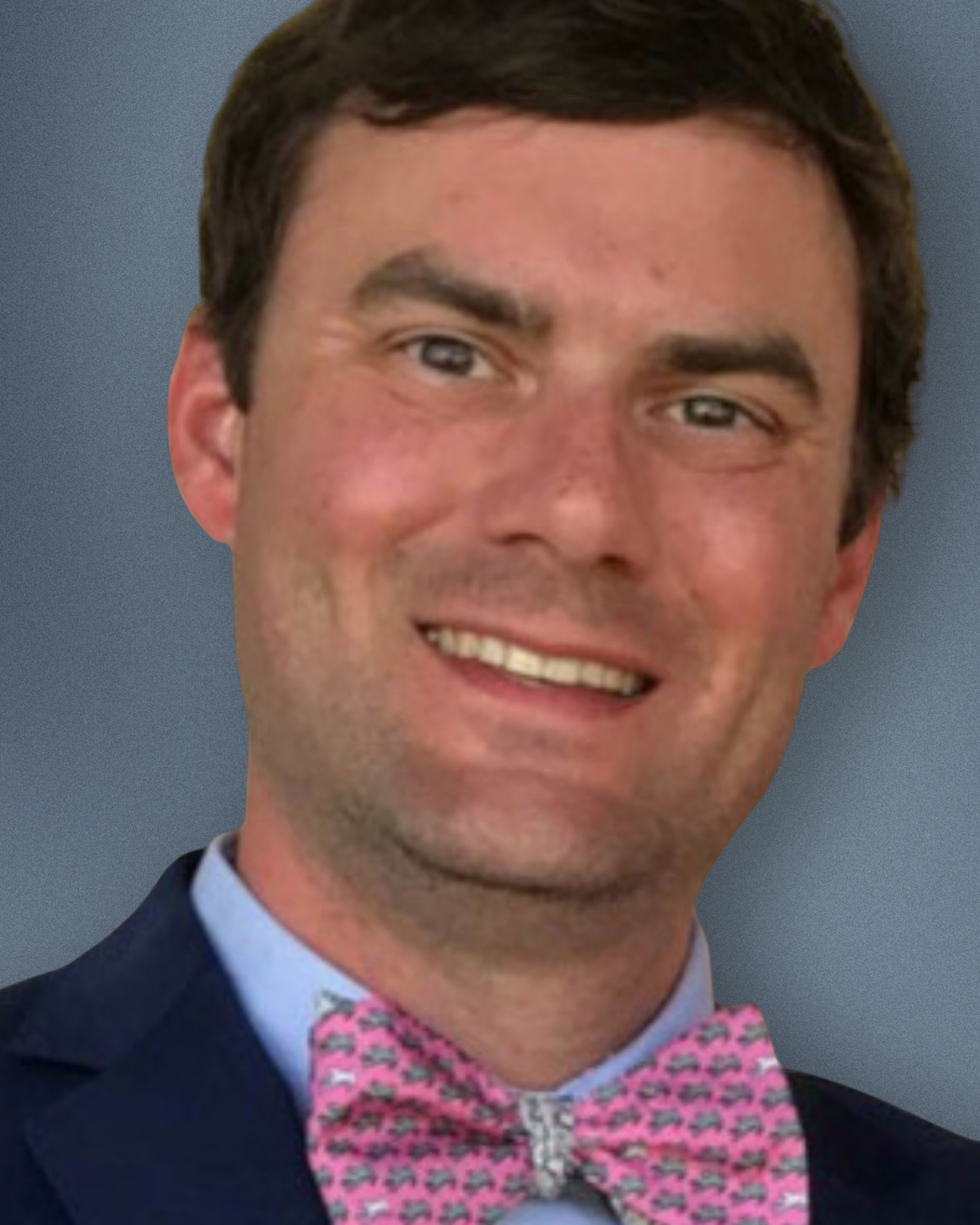
Dr. Sean Owens, president of the Louisiana Dental Association.
Dr. Liles’ impact and the increasing need to train future dentists to specifically serve communities in rural Louisiana are recognized by the Louisiana Dental Association.
“Louisiana faces a growing shortage of dentists in our rural communities, where access to oral health care is often limited,” said Dr. Sean Owens, president of the Louisiana Dental Association. “Dedicated rural track programs are essential to addressing this challenge because they don’t just train dentists—they prepare and encourage them to live, work, and put down roots in the communities that need them most.”
“This is why programs like LSU Health New Orleans’ Rural Scholars have the potential to be transformative for our state, strengthening the rural dental workforce while improving long-term health outcomes,” Dr. Owens continued. “Dr. Mason Liles is a powerful example of this impact. As a Rural Scholars graduate, he has chosen to serve the people of Mangham and Rayville while raising his family in Start, demonstrating the kind of commitment, leadership, and community connection rural Louisiana depends on.”
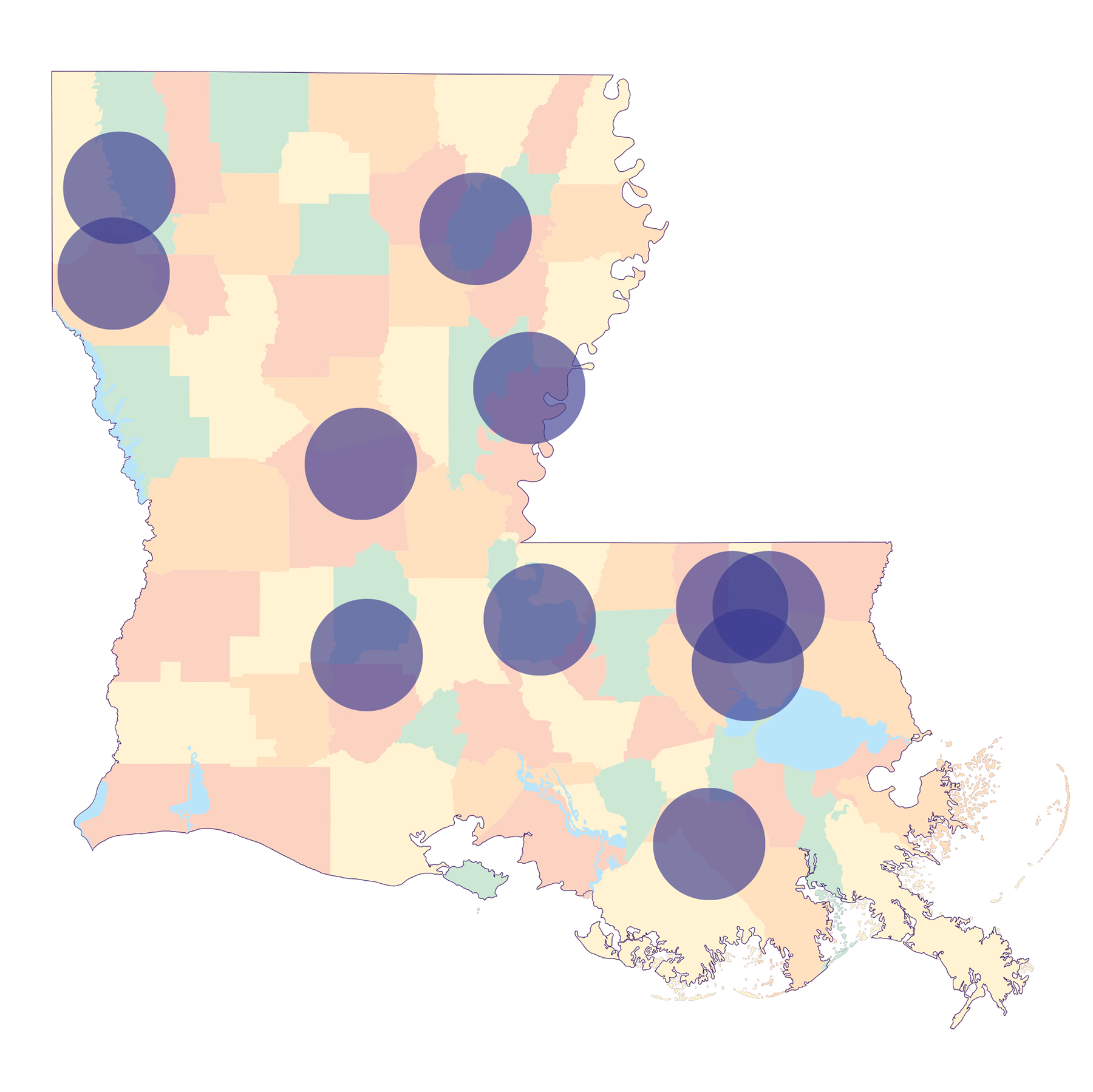
Since its inception in 2017, the Rural Track Scholars Program at LSU Health New Orleans’ School of Dentistry has successfully placed 11 dental graduates in rural Louisiana communities. Scholars receive free tuition for up to two years in exchange for a commitment to rural service for a minimum of two and a half years (15 months per year of tuition support). Once established in rural areas, dentists tend to stay. As many as three out of four dentists and dental healthcare professionals in Louisiana graduated from LSU.
Who Were Carl and Beulah Baldridge?
Carl Baldridge was a founder, major stockholder, and director of American Bank and Trust Company, now known as Hancock Bank. He earned a bachelor’s degree from LSU in 1933, followed by a master’s degree in 1936, later running a successful dental practice in Baton Rouge. Carl and his wife, Beulah Landry Baldridge, bequeathed 500 acres of farmland in St. Landry Parish to the LSU AgCenter and $500,000 to the 4-H Foundation. He also contributed $600,000 to LSU to establish an endowed chair in neuroscience and $400,000 for research on Parkinson’s Disease. One of the couple’s lasting legacies has been their support for the Carl and Beulah Baldridge Rural Scholars Track Scholarship in Dentistry at LSU Health New Orleans. Carl Baldridge is included in the LSU Alumni Association’s Hall of Distinction.