
Faculty Expanding Research and Teaching Across the College of Science
October 01, 2025
The LSU College of Science continues to strengthen its research and teaching enterprise through the addition of outstanding faculty across a range of disciplines. From quantum information science and radiation biology to STEM education and computational biochemistry, these scholars bring expertise that enriches our classrooms, expands research opportunities for students, and advances discovery across the college. Meet some of the faculty who have recently joined the College of Science and learn about the work they are bringing to LSU.
Physics & Astronomy
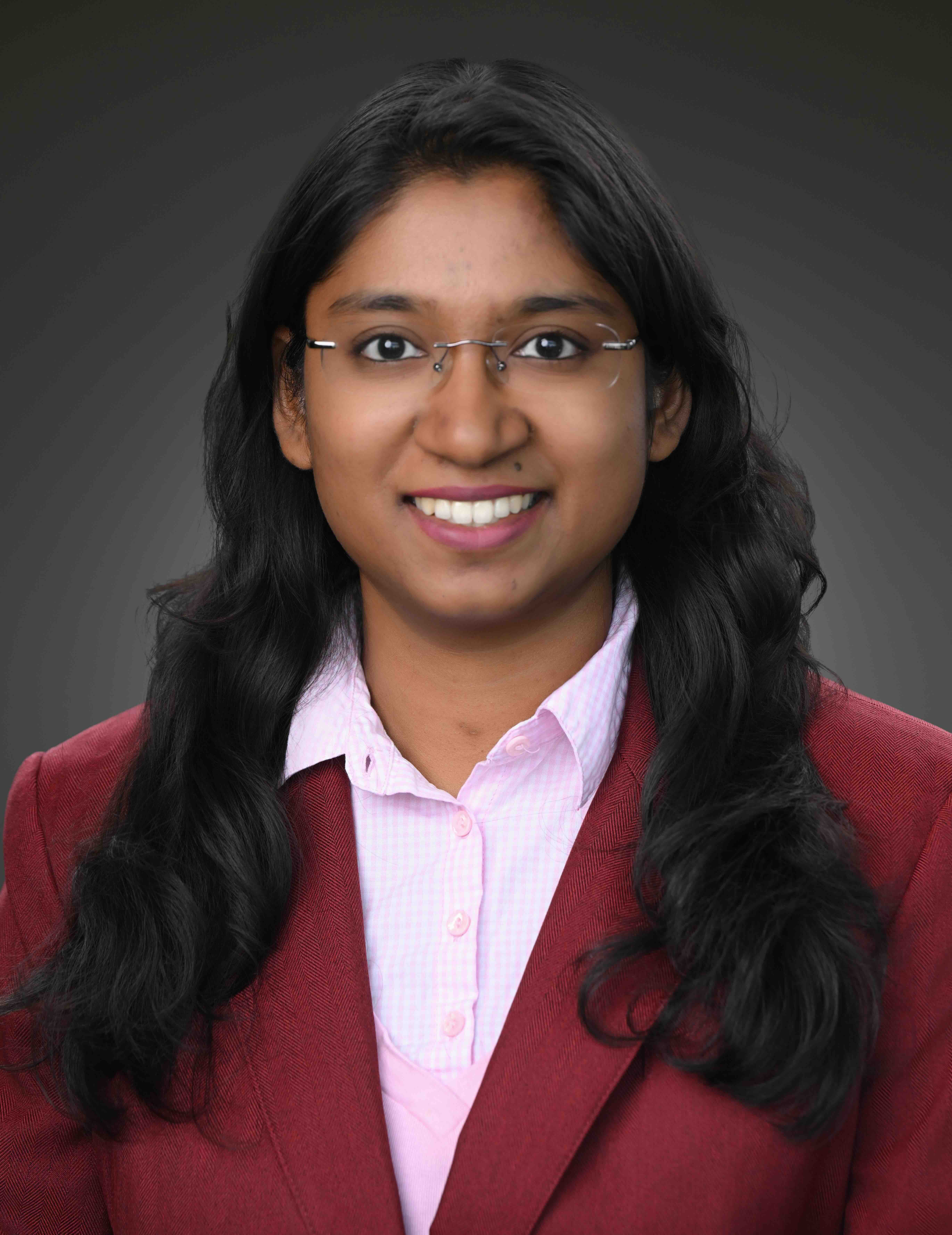 Ahana Chakraborty – Assistant Professor
Dr. Chakraborty's research group, “Quantum Dynamics and Information,” works in the
interdisciplinary fields of theoretical condensed matter physics and quantum information
science. Her research focuses on the non-equilibrium dynamics of quantum many-particle
systems, especially in open quantum systems and disordered systems. She obtained her
PhD degree in Theoretical Physics in 2019 from the Tata Institute of Fundamental Research,
Mumbai, India. Following this, she was a postdoctoral researcher at the Max Planck
Institute for the Physics of Complex Systems, Dresden, Germany, from 2019–2021, and
an Abrahams Postdoctoral Associate, a distinguished postdoctoral position offered
by Rutgers University, New Jersey, USA, from 2021–2024. Her current research interests
broadly include entanglement dynamics in quantum circuits, manipulation of quantum
materials by light, and the dynamics and thermalization of disordered systems.
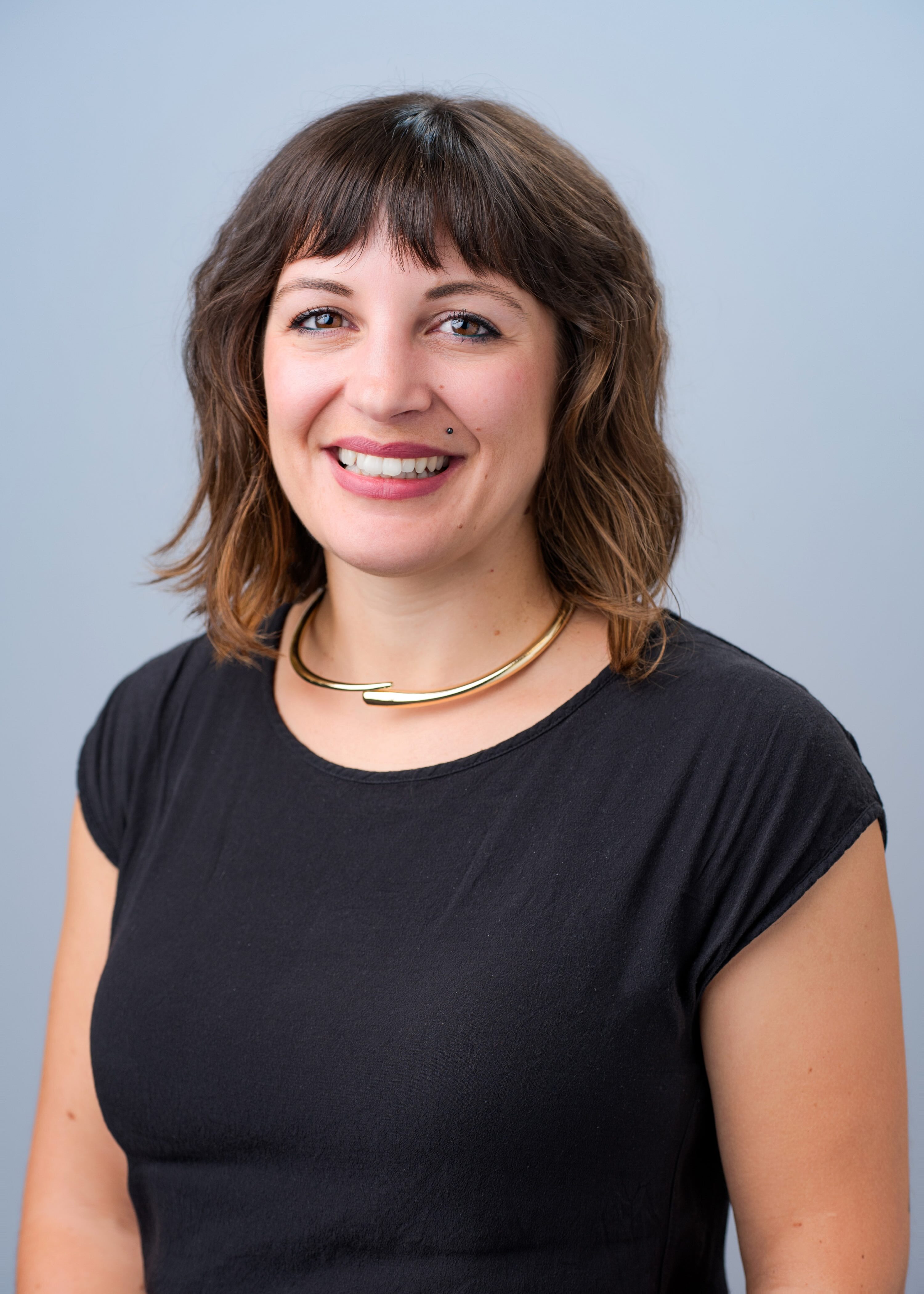 Marta Missiaggia – Assistant Professor
Dr. Missiaggia earned her BS, MS, and PhD in Physics from the University of Trento,
Italy, in 2016, 2018, and 2022, respectively. She subsequently conducted postdoctoral
research at the Centro Ricerche Enrico Fermi in Rome and at the University of Miami.
Her research focuses on radiation-induced biological effects, with a particular emphasis
on ion therapy, combining both experimental and theoretical approaches. She has developed
a novel microdosimetric detector and characterized proton and carbon ion radiation
fields at leading facilities across Europe and the United States. She has also contributed
to the development of mathematical models predicting the biological effects of radiation.
Her work makes extensive use of Monte Carlo simulations and advanced data analysis,
with a growing focus on integrating machine learning to enhance predictive modeling
and the interpretation of complex radiation interactions.
Biological Sciences
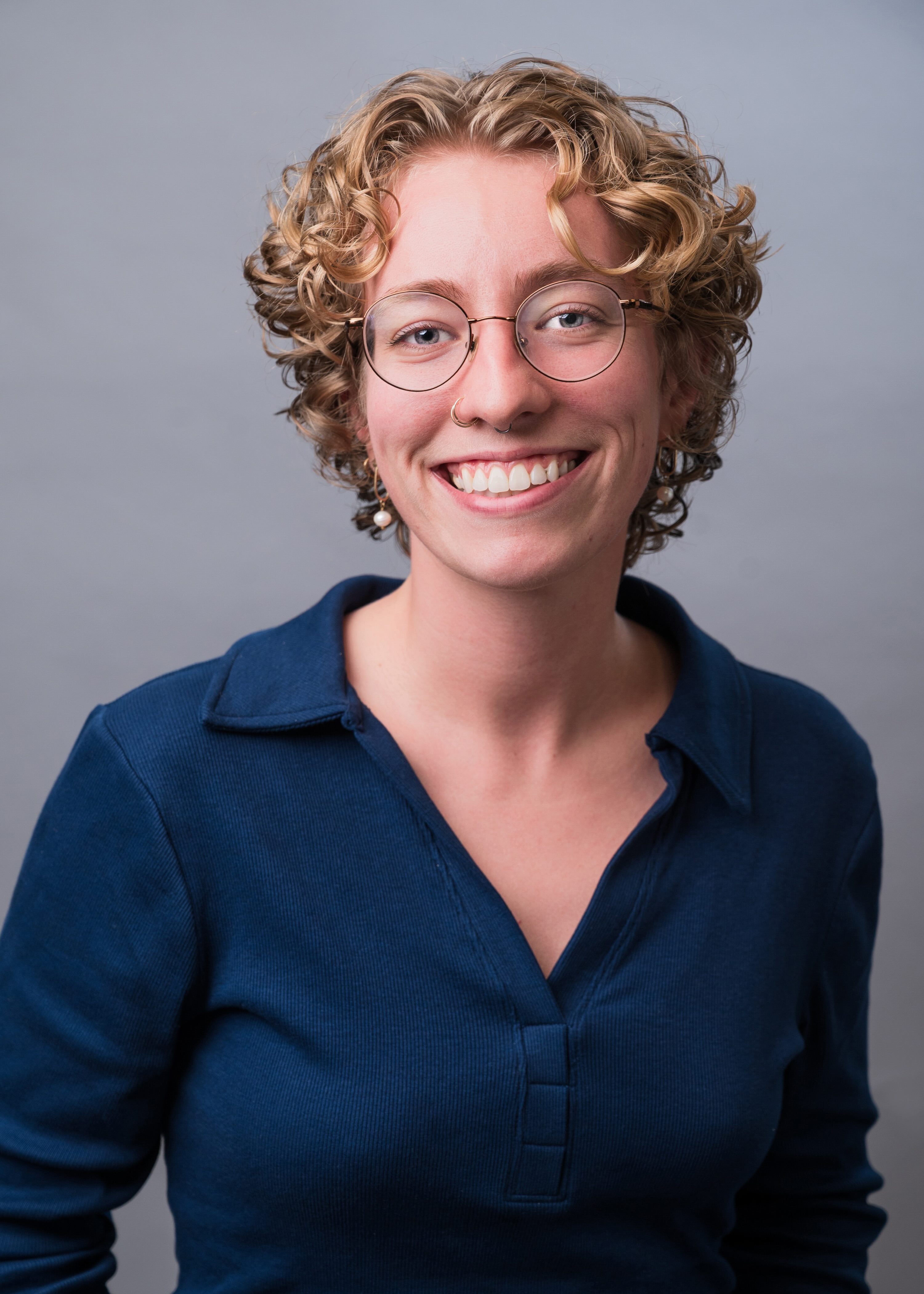 Maryrose Weatherton – Assistant Professor
Dr. Weatherton earned her bachelor's degree in Biological Sciences from Marquette
University and her PhD in Ecology & Evolutionary Biology from the University of Tennessee-Knoxville.
Dr. Weatherton is a discipline-based education researcher (DBER) whose research broadly
seeks to understand how to increase student success and improve the student experience
in STEM higher education. Specifically, her research seeks to understand student resource
use: how and why students choose among academic resources, how patterns of resource
use relate to course outcomes, and how resource use changes over time.
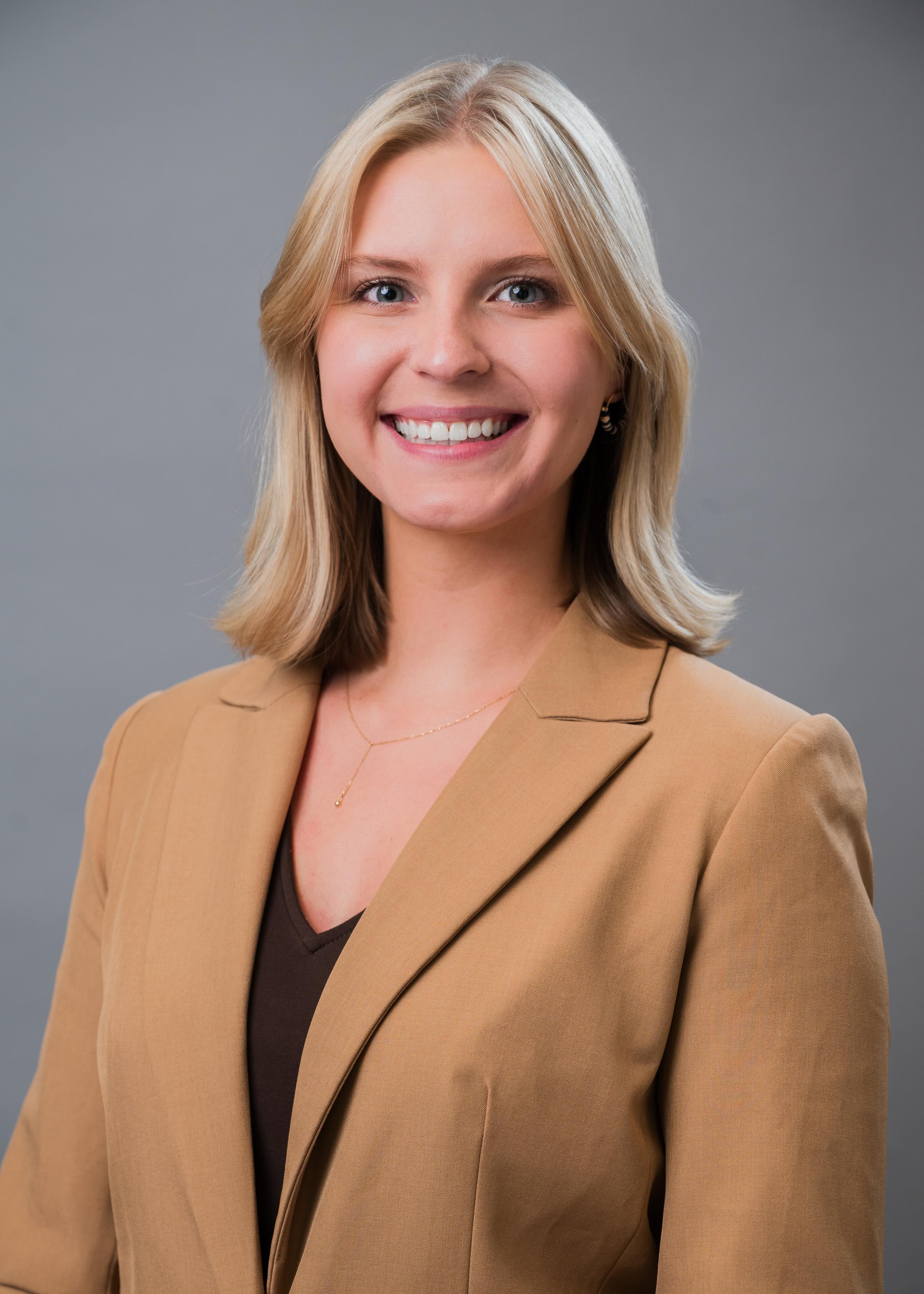 Heidi Klem – Assistant Professor
Dr. Klem earned her B.S. in Chemistry from Creighton University and her Ph.D. in Physical
Chemistry from Colorado State University. She recently completed a prestigious National
Research Council postdoctoral fellowship at the National Institute of Standards and
Technology, where she developed QMzyme– a high throughput, open-source toolkit for
quantum mechanical enzyme modeling. Her research centers on multiscale modeling of
enzyme active sites, designing computational workflows for engineering, and addressing
critical societal challenges including antibiotic resistance and plastic biodegradation.
Her work aims to leverage cutting-edge computational approaches for real-world impact
while engaging students through training in computational biochemistry.