We are the LSU College of Science

Welcome to a community where you are encouraged to explore, a place where answering important questions and finding solutions to our most pressing challenges is just what we do. From the microscopic to the intergalactic, our students and faculty are working together to build a healthier, safer, and more inclusive future.

Find Yourself Here

Discover your academic home in the LSU College of Science by exploring our departments:

34

Faculty named
AAAS Fellows

44

Patents secured over the past five years 

$199M+

Federal funding over the past five years 


super science saturday logo

Super Science Saturday

Join us for a spooky Super Science Saturday this Halloween! This free event invites K–12 students, families, and science fans of all ages to see science in action.

2026 Event Details

Date: October 31, 2026

Time: 10 AM - 3 PM

Location: LSU Pete Maravich Assembly Center - Upper Level Concourse

EXPLORE THE SPOOKTACULAR Event


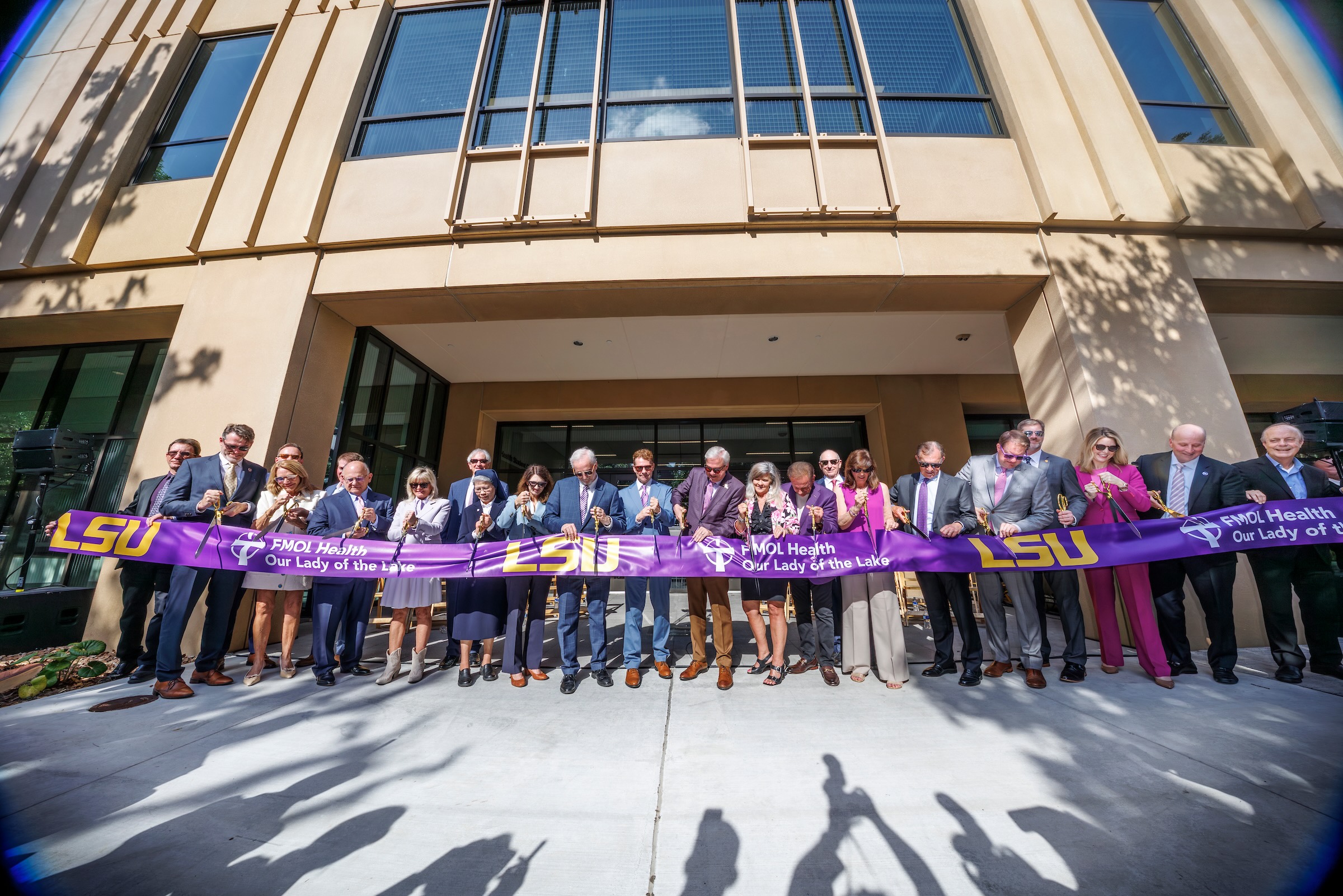
ribbon cutting ceremony


LSU Opens Our Lady of the Lake Health Interdisciplinary Science Building

The new Our Lady of the Lake Health Interdisciplinary Science Building is a dynamic hub for collaboration, innovation, and discovery at LSU. Designed to bring together faculty and students across scientific disciplines, the state-of-the-art facility supports nearly $37 million in annual research awards while advancing hands-on learning, cutting-edge research, and healthcare innovation in Louisiana and beyond.

Learn More
Featured Research

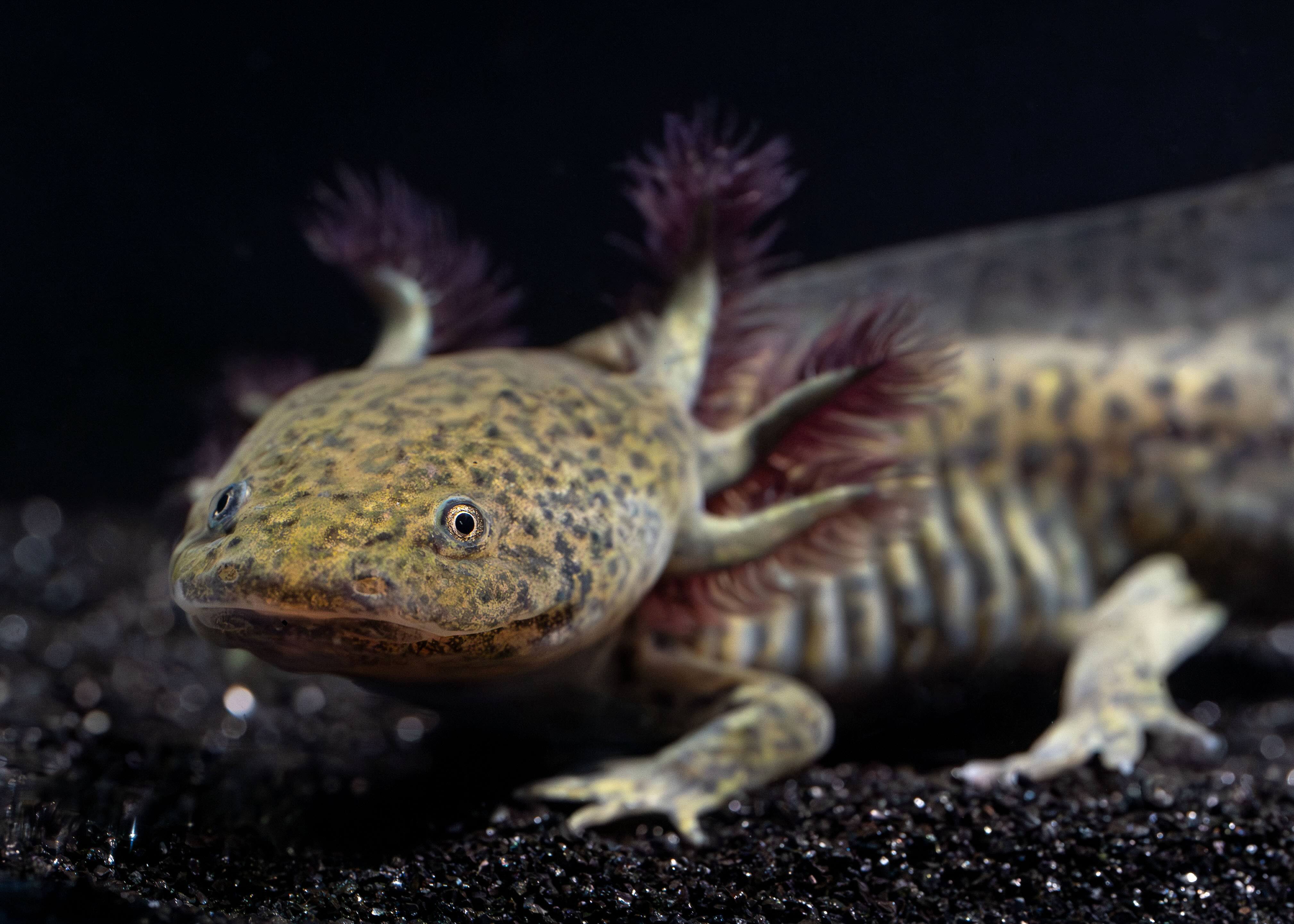
LSU biologist Igor Schneider is investigating the molecular signals that tell cells to regenerate rather than simply heal after injury. Supported by a $1.875 million NIH MIRA (R35), his lab will compare regeneration across axolotls, African lungfish, Senegal bichir, and lizards to identify signaling pathways shared across regenerative species. Using spatial transcriptomics, single-nucleus RNA sequencing, and CRISPR, the team aims to uncover a conserved “pro-regenerative signaling toolkit.”

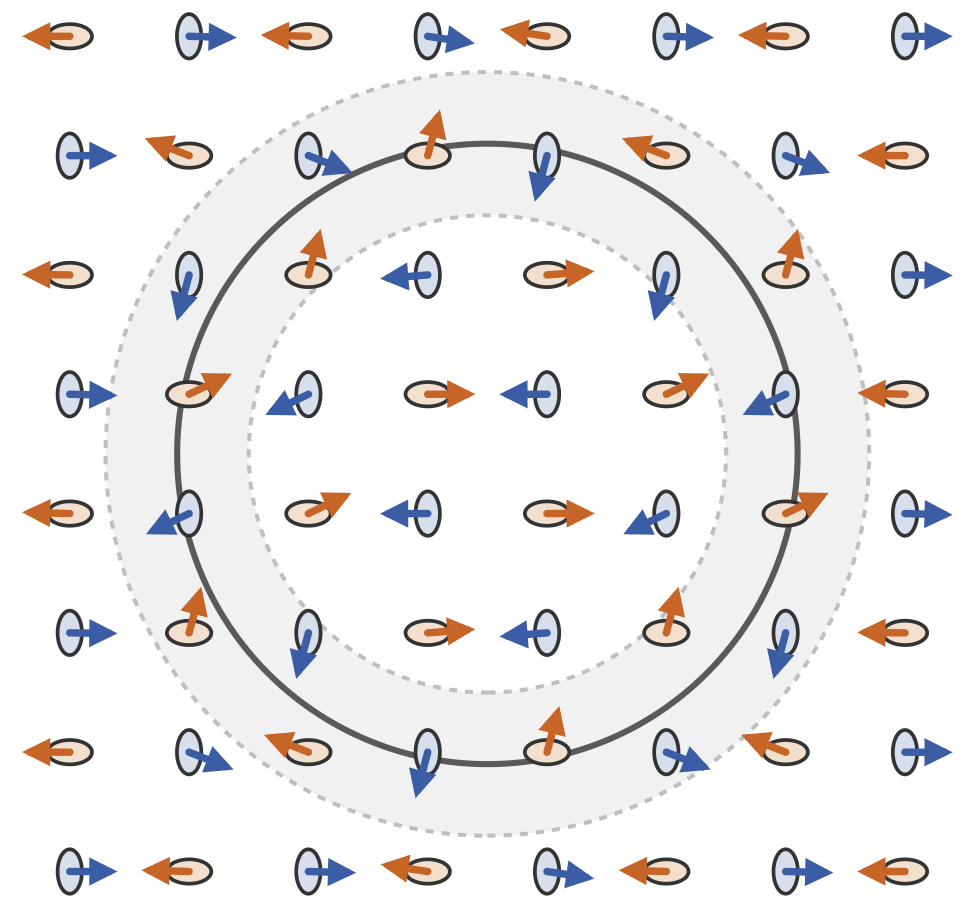
LSU physicist Constantin Schrade and collaborator Mathias S. Scheurer have developed a new theory for controlling how electrons move through altermagnets, an emerging class of magnetic materials. Their work shows that changing the material’s microscopic magnetic patterns could steer electrons in different directions depending on their spin. The findings give scientists new predictions to test and could eventually help researchers control how spin-based information moves through future electronic technologies.

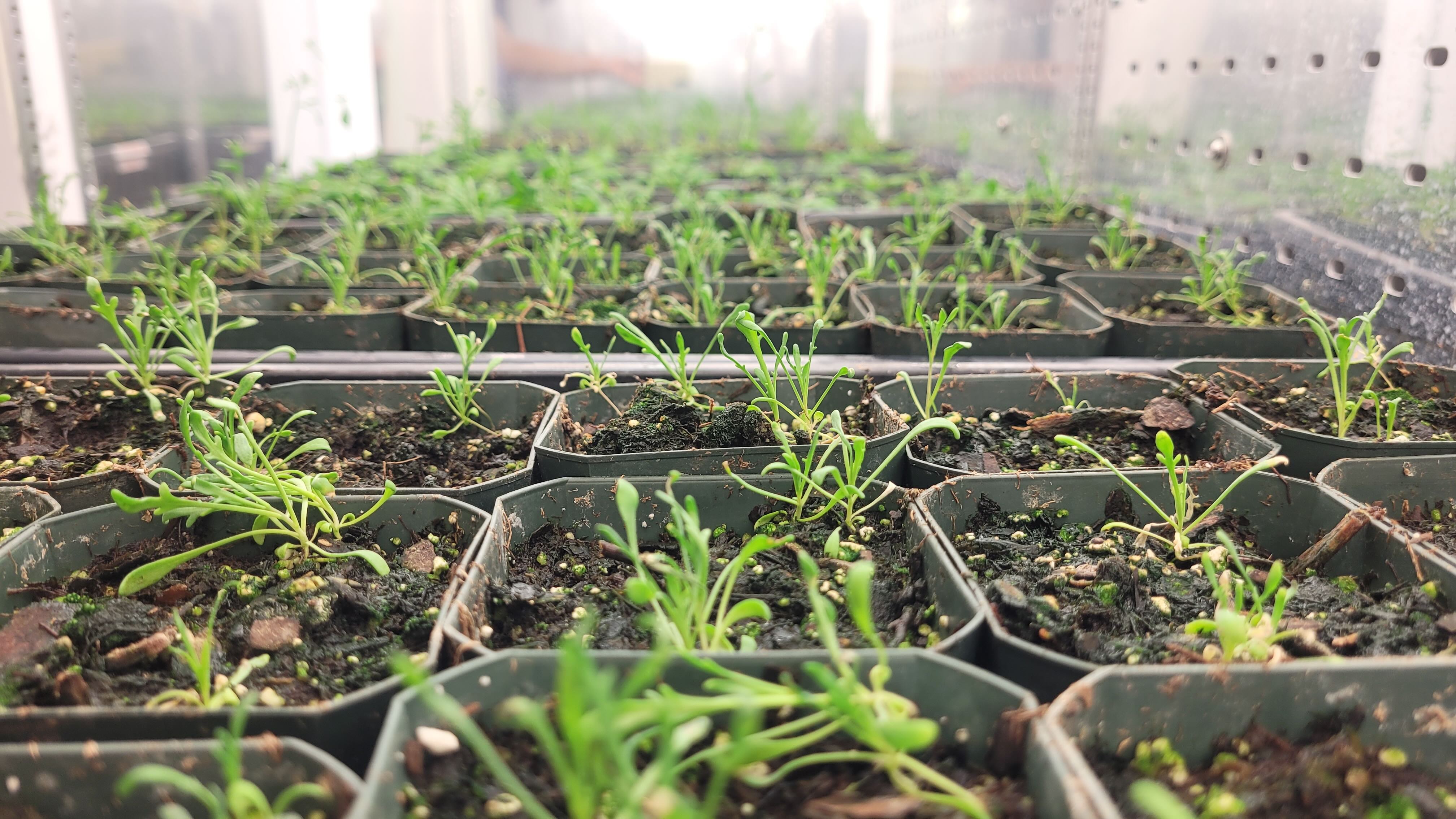
LSU researchers have created a cross-species single-cell atlas of plant roots, offering a new look at how plants respond and adapt to salt stress. By analyzing more than 200,000 individual root cells across five species, the team found that different cell types play distinct roles in stress response and that salt-tolerant plants have evolved multiple strategies for surviving saline environments. Published in Nature Communications, the study provides new insights into plant resilience that could help guide future efforts to develop crops better suited for increasingly stressful growing conditions.