
LSU Graduate Student Named HHMI Gilliam Fellow for Research on How Animals Adapt to a Changing World
August 22, 2025
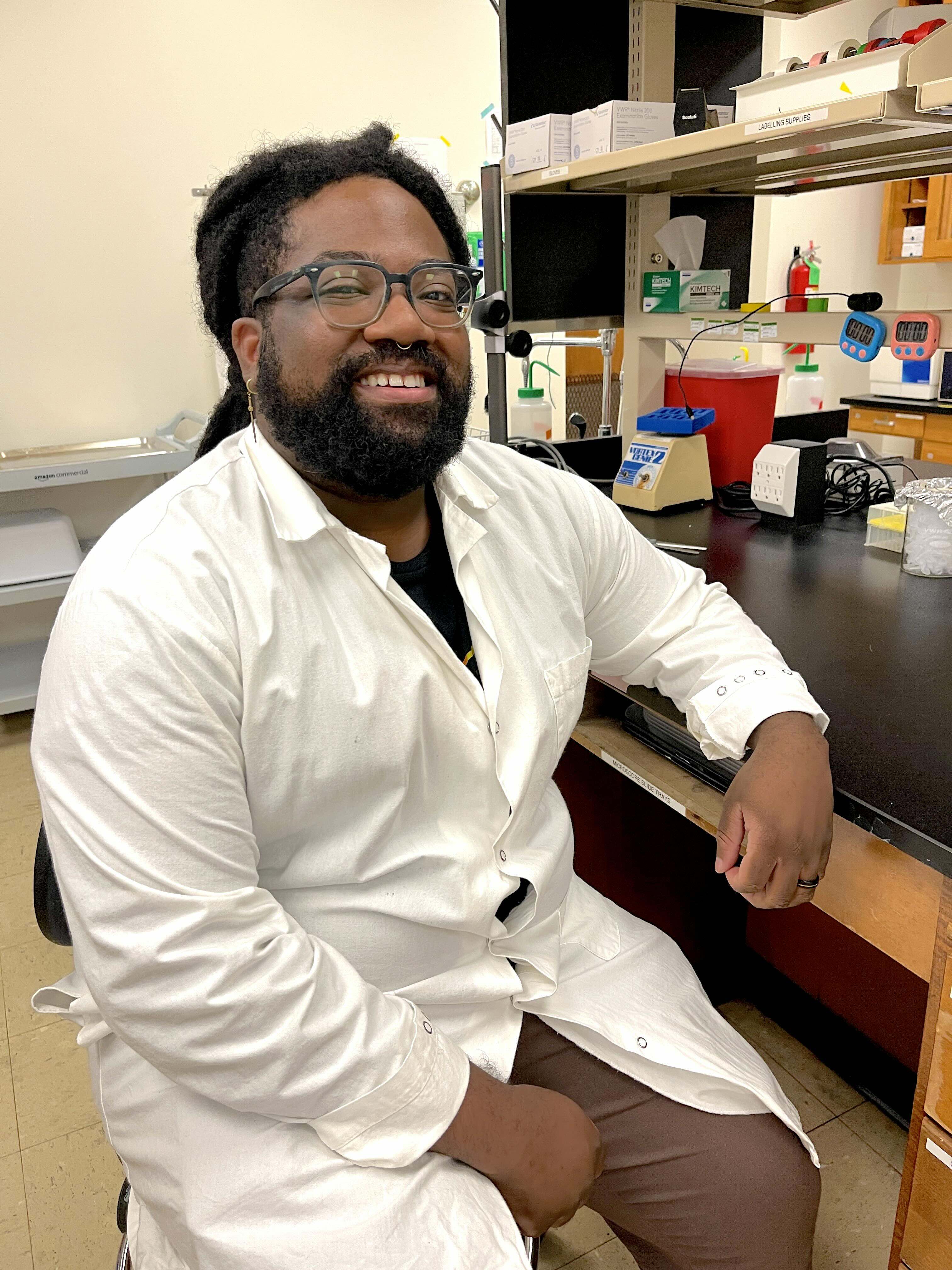
Marquise Henry, Ph.D. student, LSU Department of Biological Sciences
LSU biological sciences Ph.D. student Marquise Henry has been named a 2025 Howard Hughes Medical Institute (HHMI) Gilliam Fellow, a prestigious honor recognizing exceptional graduate students and their advisors who demonstrate scientific excellence and a commitment to fostering inclusive research environments.
HHMI is one of the nation’s most prestigious private biomedical research organizations. Through highly competitive programs, it supports leading scientists and educators at top universities and research institutions across the United States.
“Being chosen as a Gilliam Fellow is an incredible honor,” Marquise said. “Impostor syndrome is something I’m familiar with, so this recognition feels like a validation of how much I’ve grown as a researcher. It also shows that HHMI believes in our ability to make meaningful contributions to neurobiology and behavior, even though we aren’t working with traditional model organisms.”
Marquise’s research in Associate Professor Christine Lattin’s lab examines how the brain and hormones influence neophobia—the avoidance of new things—in house sparrows, one of the world’s most successful invasive bird species. By studying the hippocampus, a brain region that integrates sensory and emotional information, Marquise seeks to uncover why some animals adapt more easily to urbanization and environmental change than others. Their work could have broader implications for understanding how wildlife responds to rapidly changing environments.
His curiosity for science began in childhood, but it was their undergraduate advisor, Dr. Anya Goldina, who sparked their passion for research. At Elizabethtown College, he investigated how crawfish respond to smell and taste, even building custom experimental arenas with help from the Engineering Department—a hands-on experience that revealed the problem-solving side of research, which has remained one of Marquise’s favorite parts of doing science. He later pursued a master’s degree at Bowling Green State University, studying how antidepressants in waterways affect the behavior of invasive rusty crawfish.
When choosing LSU, Marquise was drawn not only to the Lattin Lab’s research focus but also to its collaborative and supportive environment. “I could see myself thriving under Christine’s mentorship,” Marquise said. “The lab is a true community where I could grow as a researcher, mentor undergraduates, and contribute meaningfully to the team. Mentoring students has been one of the most rewarding parts of my experience here.”
Reflecting on the success of their Gilliam proposal, Marquise cited the lab’s strong mentorship and inclusive culture. “I think our lab stood out because of our history of mentoring undergraduates. We’ve had more than 30 undergraduates in the past seven years, and most have moved on to graduate or professional school after leaving LSU.”
The lab environment fosters this sense of community. “We’re encouraged to have hobbies that help us manage stress and connect with each other,” Marquise said. For Marquise, that often means baking for the lab to celebrate accomplishments—sometimes adapting recipes to accommodate all lab members’ dietary restrictions—creating moments that bring the team together. “That sense of support and community is what makes our lab unique.”
“Marquise is not just a brilliant and dedicated scientist; he also understands that science is done by teams of people,” said Lattin. “For teams to work effectively, there has to be mutual respect and trust, which you build every day in the lab. I see Marquise already doing that, which will help him excel as a research team leader. He is also very community-oriented and will step in to help someone who is struggling, often before they even ask.”
Gilliam Fellows become part of a supportive community of scholars. During their tenure, they build connections with peers at Gilliam Annual Meetings, expand their scientific knowledge, and gain valuable insight and advice from leading scientists at HHMI Science Meetings. Fellows engage in professional development and connect with program alumni, equipping them with the tools to transform science through their talents and experiences. The program’s goals are for fellows to pursue cutting-edge research, positively shape scientific training environments, and maximize their collaborations.
“I hope this program helps me grow as both a mentor and a leader,” Marquise said. “I’m looking forward to building relationships with other fellows and strengthening my ability to communicate science to broader audiences. Every project raises new questions, and I can’t wait to see where my research and mentorship take me next.”
Gilliam Advisors also play a vital role as change-makers who foster inclusive scientific training environments. All advisors participate in an intensive, year-long mentorship skills development course and are encouraged to share what they learn within their labs, departments, and institutions—multiplying the program’s impact well beyond the fellows themselves.