


Accounting for Student Success: Making a Difference from Within
October 12, 2026
Ready to Roar In Action: Student Stories
At LSU, career readiness happens everywhere. In this series, students reflect on how their campus involvement connects to the Ready to Roar career proficiencies and helps prepare them for life after graduation.
When I used to think about improving a system or institution, I pictured bold advocacy or sweeping change. I’ve learned recently that those efforts matter, but so does the work that happens within an institution every day: asking better questions, making information easier to understand, and helping people find a path forward.
Working as a Data Analyst Intern in LSU’s Office of Academic Affairs taught me how much good can come from that work. It also showed me that everyone within a university has a role in bettering the student experience, especially students.
As an accounting student. I love numbers and brought an interest in data and data processing tools. As a student of color, I want to see LSU’s underrepresented students succeed, and brought an interest in advocating for student success. Bringing these interests into my internship led me to ask questions about degree requirements, course availability, progress toward graduation during my internship experience, and through that experience, I strengthened three Ready to Roar Career Proficiencies: Digital Literacy, Communication, and Problem Solving.
Connecting Data to the Student Experience
Data was at the core of my internship and how I contributed. My internship centered around developing LSU’s Curricular Analytics program, which examines how the structure of a degree, namely prerequisites and course sequences, can create challenges for students progressing toward graduation.
In my opinion, prerequisites are more than a line in the catalog and have serious effects for students. Many students have dealt with some of the side-effects of too many prerequisites like long waitlists, unclear graduation requirements, and delayed processing of class schedules which can lead to lapses in financial aid. Going into my internship, I knew I wanted to make a difference from previous iterations of the program by directly tying the data analysis conclusion back to real students' experiences.
My work included analyzing degree pathways, developing reports and presentations, and helping faculty and administrators use that information in academic planning. I also helped shape Program Innovation, an effort to make resources for program development and improvement clearer and more accessible and to address many of the logistic academic burdens that impact students with digital, innovative tools.
I learned that digital literacy requires judgment. For example, in this case, technology can identify a potential statistic about students, but understanding that statistic requires context from the student, their teachers, their lives, etc. I had to consider what the data could tell us, what it could not, and how to present it responsibly.
I hope that lesson will stay with me in accounting. Whether I am reviewing financial information or working in tax, I will need to understand the tools I use, question their outputs, and connect the results to decisions that affect people.
Making Information Useful
There is an old saying that how you say something matters as much as what you say. Working across academic disciplines made that lesson real.
Faculty, advisors, administrators and students can approach the same issue with different priorities. An explanation that helps one audience overwhelm others. I had to learn quickly how to adapt my language, explain why something mattered, and make the next step clear.
One of the clearest examples of the importance of communication came when I realized how professors and administrators perceived my work. There was a disconnect between their understanding of Curricular Analytics and its potential to improve students’ paths to graduation. During my internship, I made a point of explaining my reasoning step by step, connecting the data to student experiences, and working with faculty to redesign their degree requirements.
That collaboration helped shape changes coming in the 2027–28 catalog, which will give accounting students more than eight pathways to graduation, compared with just two previously.
That taught me that effective communication matters most when people disagree. Being confident in an idea does not remove my responsibility to listen, and asking questions and understanding someone’s concerns can make a recommendation stronger and help build the trust needed to move it forward.
In that spirit, I now serve as the student ambassador for the Department of Accounting, and in this role, I hope to continue to be able to make opportunities out of disagreement and predispositions about accounting and bring people into the profession.
Looking Beyond the Immediate Issue
One thing I learned about at LSU is that no one is just an intern. If you show up, you will be given responsibilities and you will be expected to execute.
When a problem comes up, I had to be willing to step in, figure out what is needed, and help, even when the task falls way outside of what I was used to.
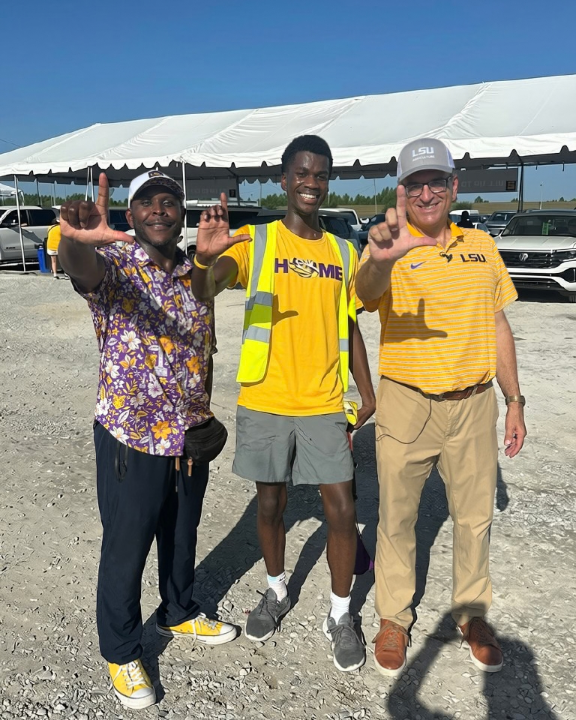
Over the summer, that meant answering more than 200 phone calls from concerned incoming parents, helping students navigate academic appeals, and volunteering (and nearly passing out!) at Move-In.
Those situations required different responses, but they all called for patience, clear communication, and a willingness to work through something unexpected. While not directly tied to my career goals, these experiences taught me that problem solving is not about having the answer immediately.
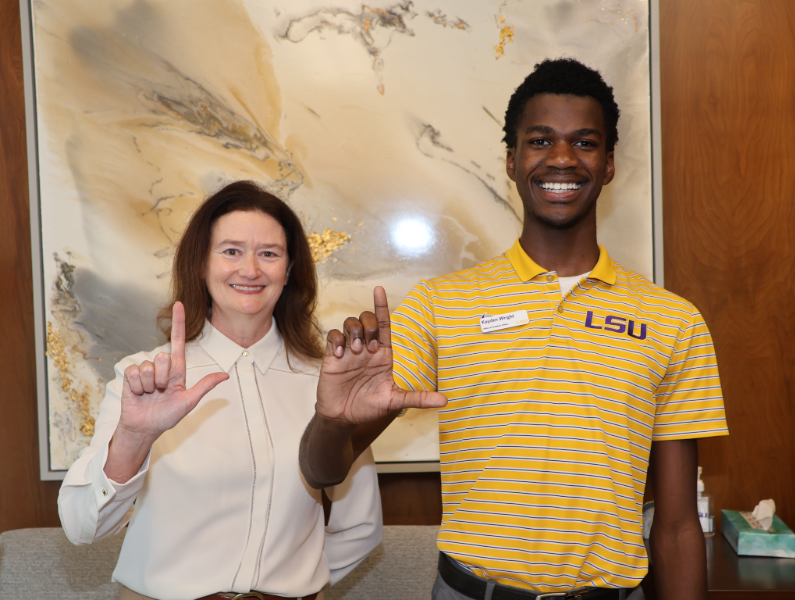
The best outcomes came when I asked the right questions, assuaged any concerns, and stayed calm while another person explained their frustration. Other times, it meant going the extra mile and showing up in-person for a concerned student or parent. My internship taught me to look beyond my assigned tasks and focus on what I could do to help move a situation forward.
Moving Forward
My internship expanded my understanding of what I can do with an accounting degree. The habits I am developing, examining evidence, communicating clearly, and working through complicated problems, have value across an entire institution.
Most of all, I learned that I do not have to wait until I graduate or hold a senior title to contribute. I can make a difference by taking my responsibilities seriously, staying curious, and remembering the people behind the data.
That’s what being Ready to Roar means to me: bringing every part of who I am to the work place, asking the right questions and continuing to develop skills, and carrying out my vision within the big picture of an institution.
About the LSU Career Center
Our team is committed to ensuring every student has ample opportunities to gain experience, grow their network, and communicate their aptitude for a chosen career long before graduation. We believe LSU students are unparalleled in their potential to step into leadership, solve problems, and elevate the workforce for the benefit of all.
Ready to Roar Career Proficiencies
At LSU, you’ll gain the knowledge and experience to succeed in any field. With a blend of professional experiences, academic pursuits, and involvement opportunities both on and off campus, you'll graduate Ready to Roar.