
Keep pets and livestock safe from toxic plants this spring
April 29, 2026
Spring landscaping and blooming plants can create hidden dangers for pets and livestock. The LSU School of Veterinary Medicine is reminding pet owners and animal caretakers to be aware of common toxic plants found in Louisiana yards and pastures. Our team is here to support yours!
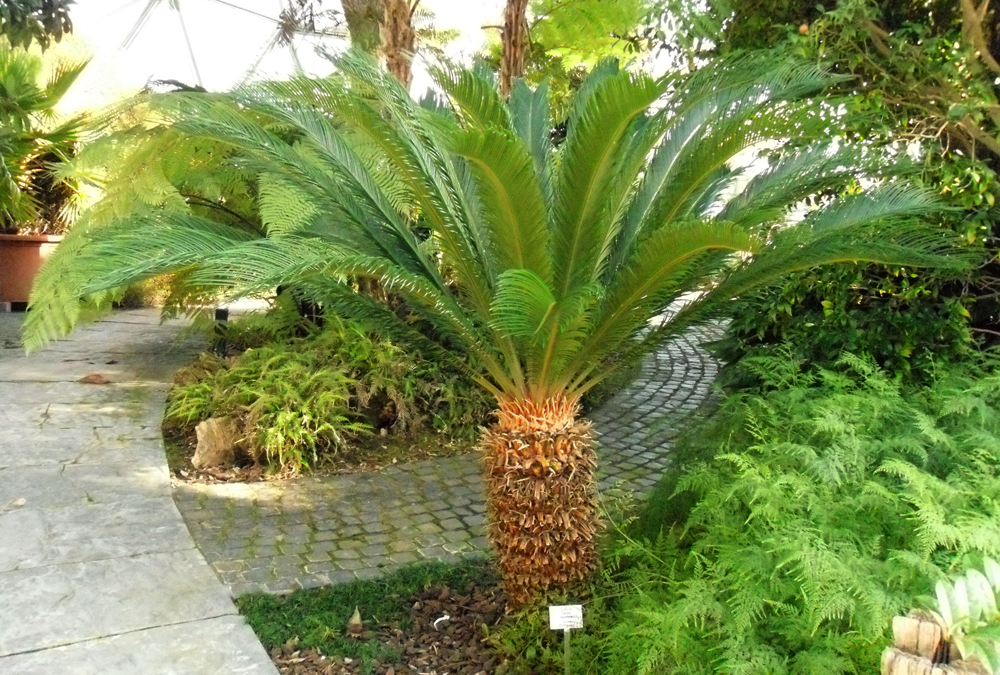
Sago palms are dangerous to pets if ingested, especially dogs.
Sago Palm: A Serious and Often Deadly Threat
The sago palm, a popular ornamental plant in Louisiana landscapes, is highly toxic to pets—especially dogs.
All parts of the plant are toxic, including:
- Seeds (most toxic)
- Leaves
- Roots
Common signs of poisoning include:
- Vomiting (often early sign)
- Lethargy
- Loss of appetite
- Diarrhea
- Jaundice (yellowing of skin or eyes)
Why it’s so dangerous:
- Causes severe liver damage
- Disrupts blood clotting, leading to internal bleeding
- More than 50% of affected dogs may not survive—even with treatment
Important note:
Cases are most common in spring and summer, but exposure can happen year-round. If you believe your pet has ingested any part of the Sago palm, contact your veterinarian immediately.
Other Common Toxic Plants in Louisiana
Many popular landscape plants can also be harmful if ingested:
- Hydrangea
- Wisteria
- Foxglove
- Delphinium
- Privet hedge
- Monkshood
Pet owners should prevent animals from chewing or ingesting any unfamiliar plants.
Toxic Plants Affecting Horses & Livestock
Certain plants can be dangerous for large animals:
Senna (sicklepod, coffee weed, cassia):
- Symptoms: diarrhea, weakness, wobbling, dark urine
Perilla mint (purple mint):
- Affects primarily cattle and other ruminants
- Symptoms: respiratory distress
What To Do If Exposure Is Suspected
- Contact your veterinarian immediately
- Do not wait—delays can worsen outcomes
- Early treatment significantly improves survival
Some Toxic Plants found in Louisiana
Lawn & Garden Chemical Safety
In addition to plants, common yard products can pose risks:
- Store pesticides and fertilizers securely
- Keep pets away from treated areas
- Follow product instructions before allowing pets back outside
Emergency Care at LSU Vet Med
The LSU Veterinary Teaching Hospital is open 24/7 for emergency care:
- Small animals (dogs, cats, exotics): 225-578-9600
- Large animals (Horses and farm animals): 225-578-9500
About LSU Vet Med
Bettering lives through education, public service, and discovery
The LSU School of Veterinary Medicine is one of only 33 veterinary schools in the U.S. and the only one in Louisiana. LSU Vet Med is dedicated to improving and protecting the lives of animals and people through superior education, transformational research, and compassionate care. We teach. We heal. We discover. We protect.