
Learning Beyond the Classroom: CHSE Celebrates National Intern Day
July 29, 2026
National Intern Day is meant to recognize and thank the hardworking interns who contribute to the workforce. The LSU College of Human Sciences & Education recognizes two of our students who are learning beyond the classroom in preparation for their future careers.
Tell us a little about yourself.
My name is Antoinette Kimball and I live in Liverpool, NY. I’ve been working on my
degree at LSU Online since last fall. I have a background in search engine optimization
and marketing but am looking to transition to records and asset management. When I’m
not studying, I enjoy reading books, playing board games, and snuggling with my French
bulldog, Woola.
Your major: Master of Library and Information Science, Records and Information Management Certificate
Where you're interning this summer: Bousquet Holstein PLLC, a law firm with offices in Syracuse and Ithaca, New York
Walk us through a typical day at your internship. What does your schedule usually
look like?
A typical day involved moving minute books from the central file room to the offsite
warehouse, which included updating databases on the files' new location. I also analyzed
spreadsheets to create statistics for the business manager. Several days involved
field trips to other companies to learn about their record management programs.
Who are you typically collaborating with?
I worked directly under the Director of Records Management who taught me about their
records management policies and procedures and the history of the firm. I also worked
with their records management clerk who handles the day-to-day operations of active
files.
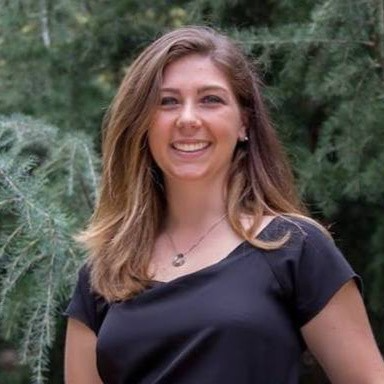
Meet Antoinette Kimball, Records Management Intern
What is a project or task you've worked on that you're proud of?
The firm has approximately 1,400 corporate minute books, which contain the founding
documents for companies. About 350 of these companies are now dissolved and could
be moved to the offsite warehouse to make room for other files. While I was there,
I processed all the dissolved companies, moving the files to the warehouse and updating
the databases with their new location. This helped open space in the central file
room for other files.
What is something that surprised you about working in this role?
Managing the files is the easy part of records management. The more complicated part
of the job is coordinating with people on creating these policies and explaining their
importance.
What is the most valuable skill you've developed in this role?
Having the opportunity to work hands on with files was incredibly helpful for translating
textbook concepts into real-world work. It was also wonderful visiting several different
companies and seeing the similarities and differences between records management programs.
How has your CHSE education prepared you for this internship experience?
My CHSE education gave me a great foundation in records management concepts that I
was able to put into practice during this internship.
What is one piece of advice a supervisor, mentor or colleague has given you that stuck?
Building trust is the most important part of records management. It takes time to
build that trust, but once you have it, it’s easier to implement new policies and
move the organization forward.
If you could describe this internship experience in three words, what would they be?
Wonderful. Informative. Eager.
What do you want other LSU students to know about the value of an internship?
I love going to school, but no textbook or video can replace real-world experience.
It helps you realize how much you know and can do once you’re working.
What's one thing you'd tell a student who is nervous about applying for their first
internship?
Internships are meant to be a learning experience. If you’re concerned that you may
not have all the skills or background knowledge for an opportunity, but you’re interested
in the work, apply for it and make sure they understand your passion. Wanting to learn
is something many bosses appreciate and they’re willing to teach the more technical
skills.
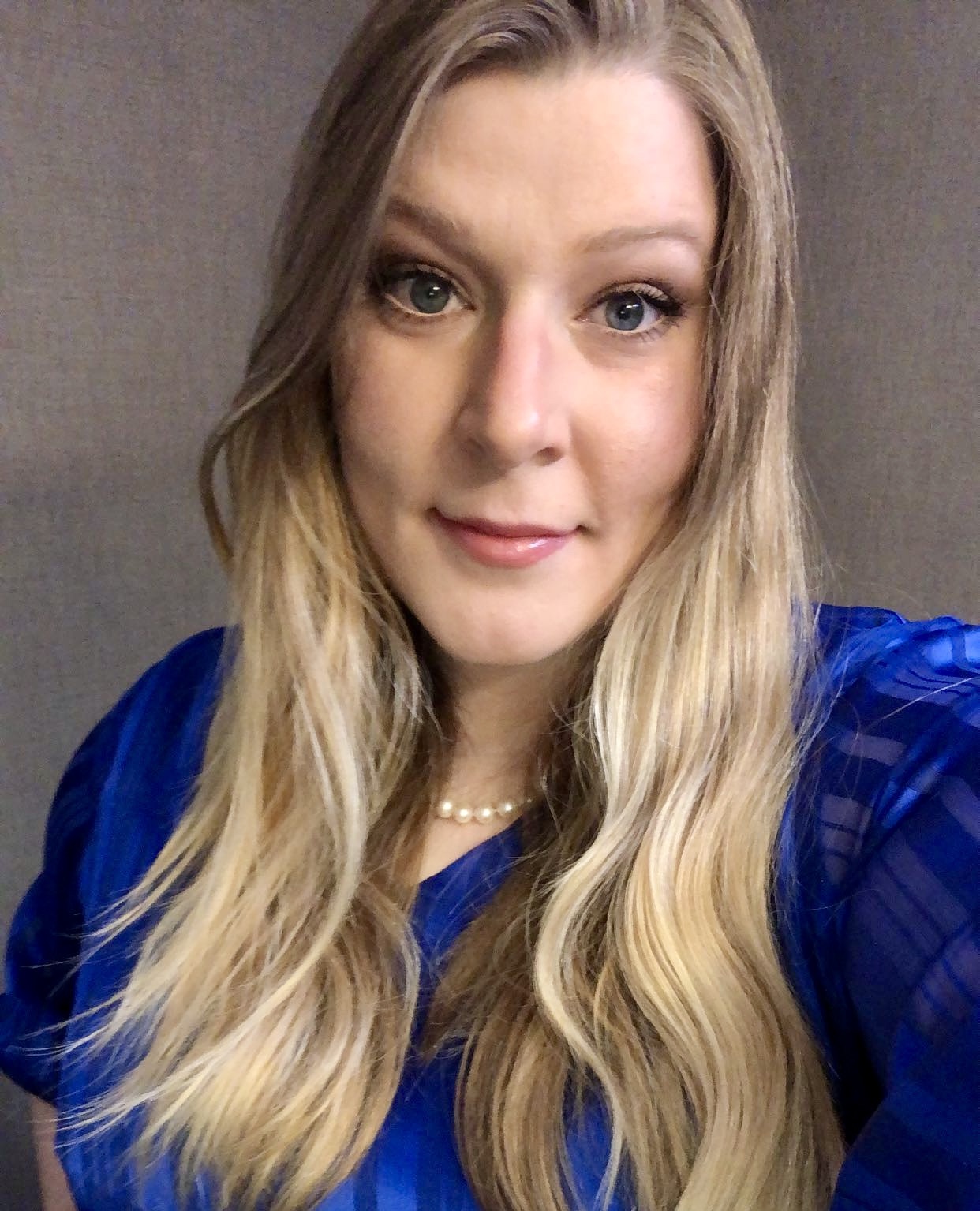
Meet Heidi Gracy, Social Work Intern
Your major: Master of Social Work
Where are you interning this summer?
This summer, I'm interning with Mobile Crisis Response with The Extra Mile in Lafayette,
Louisiana, where we provide crisis intervention services for people experiencing mental
health crises in all parishes of district 4 in Acadiana.
Walk us through a typical day at your internship.
There really is not a "typical" day because every client and every situation is different.
Most days we are responding to crisis calls in the community, completing assessments,
helping clients create safety plans and connecting them with resources. I also provide
Community Brief Crisis Support, or CBCS, which means I get to continue working with
clients after the initial crisis to help them stay connected to services and briefly
work toward their goals before they receive consistent counseling. Between visits,
I am completing documents, coordinating with providers and checking in with clients
as needed.
What does your schedule usually look like?
My schedule is pretty flexible because crisis work is unpredictable. Some days are
filled with crisis calls, while others include follow-up CBCS appointments, completing
documents, team meetings and reaching out to community resources. You never really
know what the day is going to bring, and that's something I've actually come to enjoy.
Who are you typically collaborating with?
I work with a great team of licensed social workers, licensed professional counselors
and other Mobile Crisis Response staff. We also work closely with hospitals, law enforcement,
schools and community agencies to make sure our clients are getting the support they
need.
What is a project or task you've worked on that you're proud of?
The part of my internship that I am most proud of has been being able to build relationships
with clients through Community Brief Crisis Support. Being able to continue working
with someone after the initial crisis and actually seeing their progress has been
incredibly rewarding. It has given me the opportunity to build trust with them, help
them connect with resources and support them as they work toward stability. Seeing
those small victories over time has probably been the most meaningful part of this
experience for me.
What is something that surprised you about working in this role?
I think what surprised me the most was how much happens behind the scenes. Before
this internship, I mostly thought about responding to the crisis itself, but there's
so much coordination afterward. Following up with clients, completing their paperwork,
communicating with other providers and making sure people don't fall through the cracks
is just as important as the initial intervention.
What is the most valuable skill you've developed in this role?
I've definitely become more confident in my communication skills. I have learned how
to build rapport quickly, have difficult conversations and stay calm even when situations
are stressful. I have also learned how important it is to really listen to people
and meet them where they are instead of jumping straight to solutions.
How has your CHSE education prepared you for this internship experience?
My classes gave me a strong foundation in things like human behavior, ethics, cultural
competence and evidence-based practice, but this internship has really helped me put
those concepts into practice. It is one thing to learn about mental health interventions
in class, and it is another to actually be out in the community working with people.
Having that educational foundation made the transition into fieldwork feel much more
natural, though.
What is one piece of advice a supervisor, mentor, or colleague has given you that
stuck?
One thing that has really stuck with me is that building “a genuine connection still
comes before anything else.” And that every client is different, and everyone's journey
looks different. That reminder has helped me slow down, listen more and focus on building
trust and a connection instead of trying to fix everything right away.
If you could describe this internship experience in three words, what would they be?
Rewarding, eye-opening, and meaningful.
What do you want other LSU students to know about the value of an internship?
I would tell other LSU students to take advantage of every opportunity they can during
their internship. It is where everything you have learned in the classroom starts
to make sense. You will gain confidence, build professional relationships and learn
so much about yourself. For me, this experience has reinforced that social work is
exactly where I am supposed to be, and I do not think I could have learned that from
a classroom alone.