The Future of Science is Female: How CHSE Faculty Geaux Change Lives on International Day of Women and Girls in Science
February 11, 2026
Science is stronger when more voices are heard, and when women and girls are empowered in science, everyone benefits. To celebrate International Day of Women and Girls in Science, the LSU College of Human Sciences & Education spoke with some of our own women in science to learn more about their journey to where they are now and how they’d inspire future generations of women and girls in science.
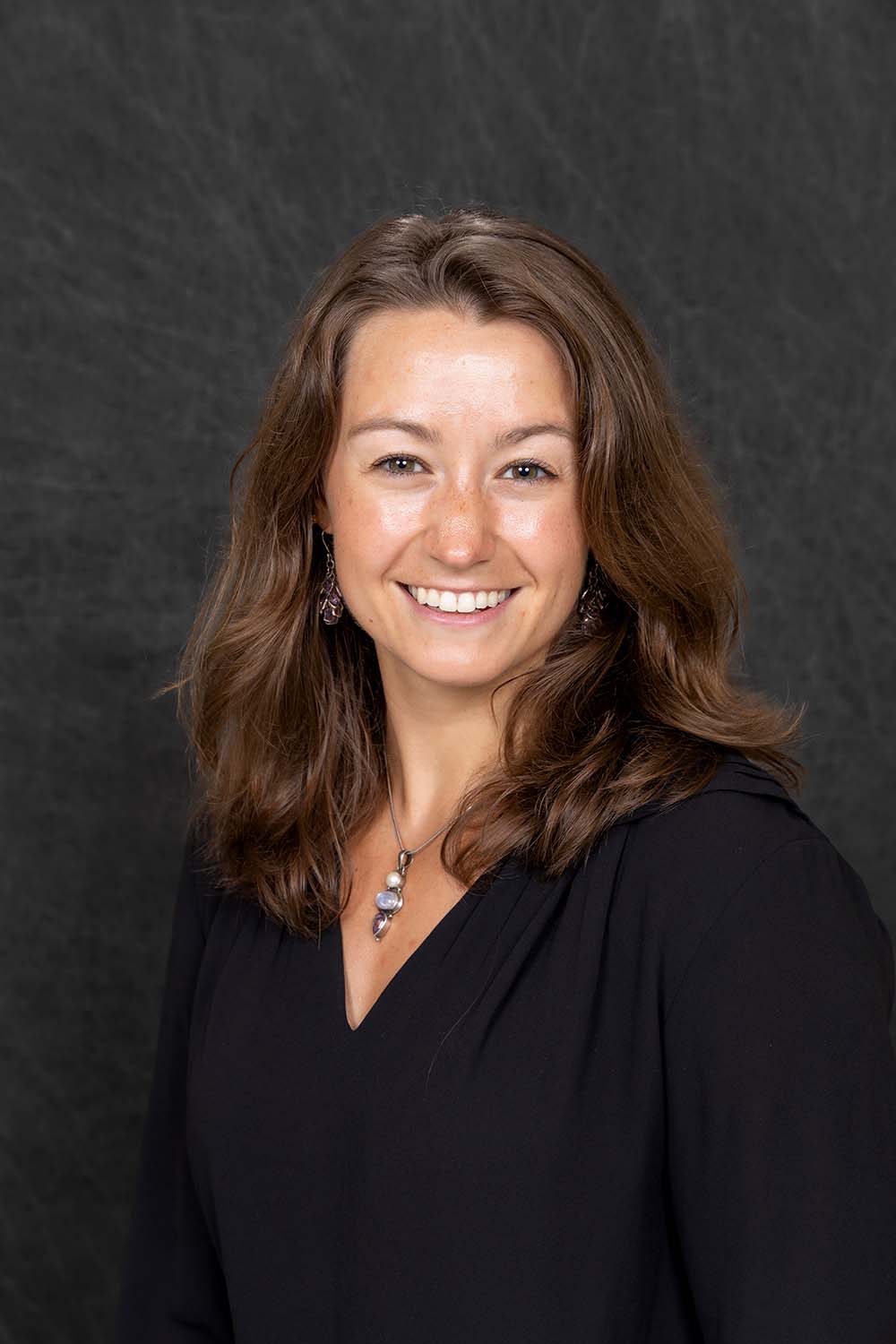
As a child, what did you want to be when you grew up?
In elementary school, while observing a school parade with my mother in Greece for
the October 28th “No Day,” I was mesmerized by a strong physical educator, who was
guiding her students and reinforcing a correct marching posture. I turned to my mother
and said, “When I grow up, I want to be like her.”
Who is your science hero and why?
My science hero is Marie Curie because she never gave up despite her immense challenges,
including gender discrimination, xenophobia, harsh working conditions and related
health issues from long-term radiation exposure.
What is your science superpower?
I take my time, enjoy the challenge, care about societal impact, collaborate, listen
and stay physically active.
What is one of your proudest professional moments or accomplishments?
I was deeply humbled when I was honored at halftime during the women’s soccer Faculty/Staff
Appreciation game between LSU and the University of Arkansas on October 19, 2023.
The instructor’s honor was for the “unwavering support of the student-athletes and
assistance in maintaining high academic standards and receiving yearly awards from
the United Soccer Coaches Association.”
What is your message for girls who dream of a career in science?
Pursue your passion and be a leader without worrying about gender-related stereotypes.
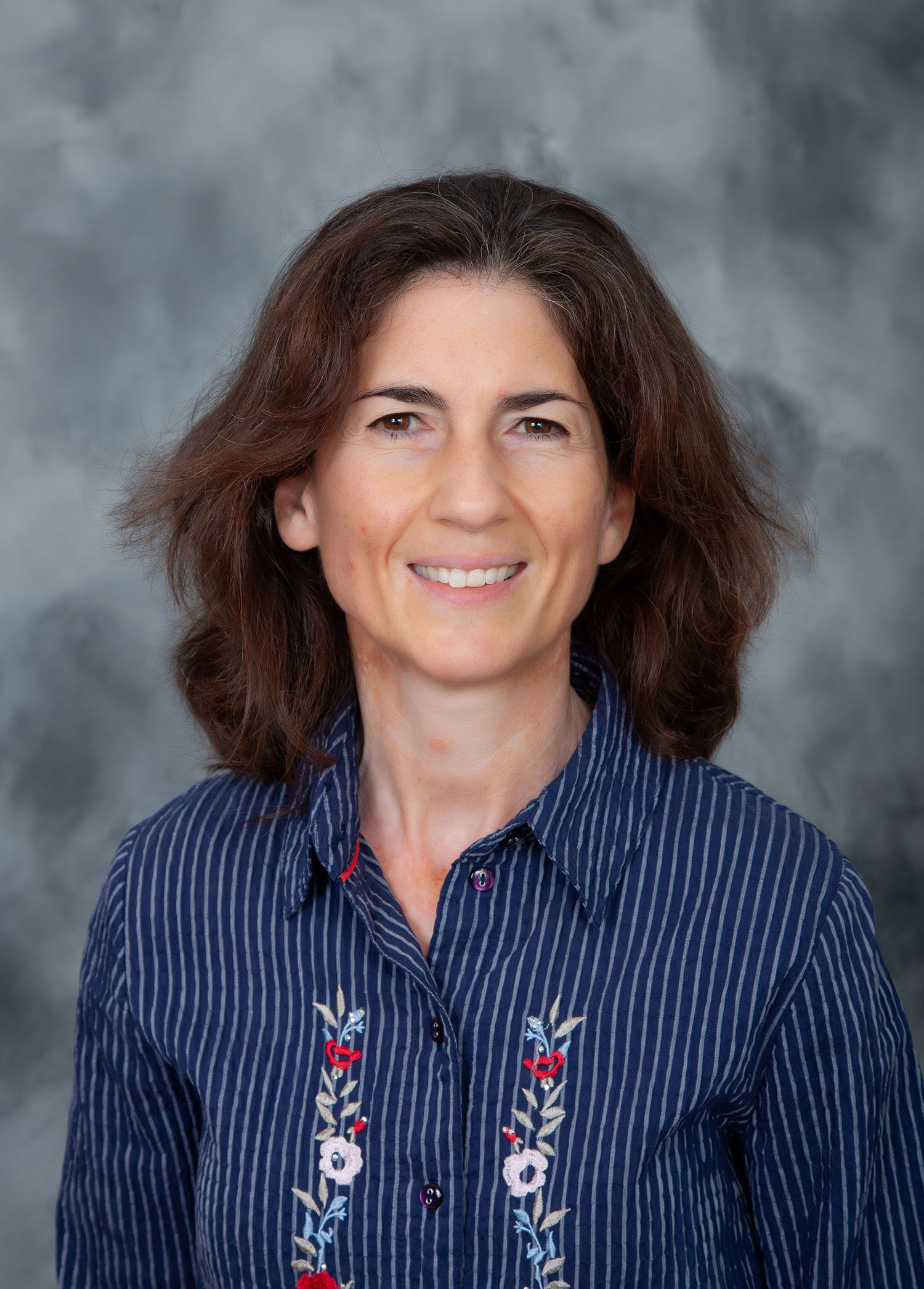
As a child, what did you want to be when you grew up?
I went through a lot of phases, but my most memorable was that I wanted to own an
art supply store. It wasn't "be an artist" but an independent business owner. I loved
creating art, but I wasn't very good at it!
Who is your science hero and why?
I'll show my age by saying Bill Nye the Science Guy (even though his background is
actually engineering, not science). It's more that watching the original Bill Nye
the Science Guy shows as a kid allowed me to really see how science is used beyond
the classroom. He made science fun and that clearly had a long-lasting impact on me
as an educator and educational researcher!
What is your science superpower?
My science superpower is kind of like Bill Nye - I find ways to make science learning
exciting! Science isn't a set of facts - it's all about asking questions and engaging
in hands-on activities to discover new ideas or to solve real-world problems.
What is one of your proudest professional moments or accomplishments?
Seeing my face on a poster because I was a keynote speaker for an international conference!
Being a keynote speaker was pretty great too, I guess - ha! But in all seriousness,
as part of this conference, I got to meet an expert in my field whose work I have
used to inform my own research - it's like seeing an academic celebrity! It was then
that I finally felt like I had made it too - not just because I got to hold a microphone
and be on a stage (which is pretty epic), but that I was also seen as an expert in
the field!
What is your message for girls who dream of a career in science?
This is something that is near and dear to my heart, which is why part of my research
aims to support girls in science and STEM through curriculum and instruction. If I
can't give a whole presentation, then my simple advice is to go for it! Find a mentor
who can be your advocate and then when you make it, turn around and be an advocate
and mentor to the girl behind you.
As a child, what did you want to be when you grew up?
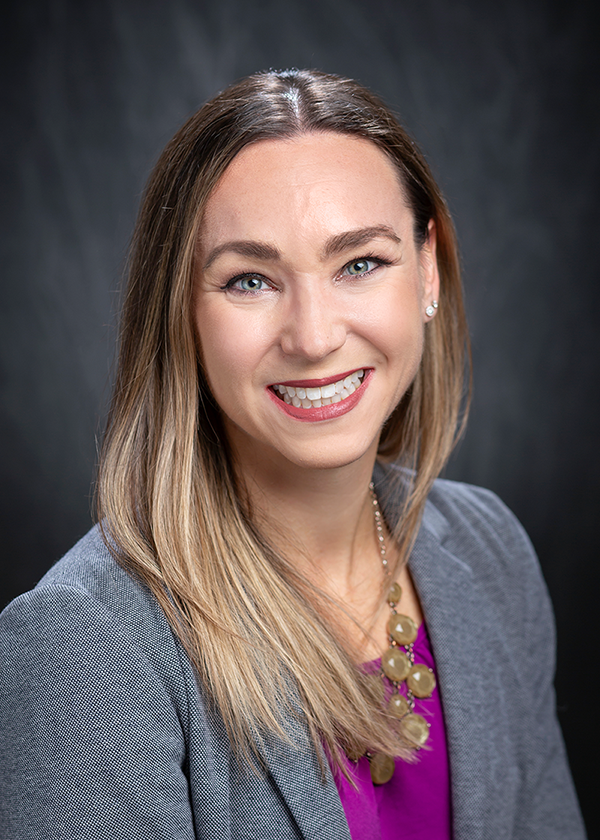
As a child, I wanted to be a sports journalist after watching the 2006 World Cup on
TV. I was drawn to the idea of feeling the passion and energy of people coming together
around sport. Then, in high school, I became interested in becoming a surgeon. Now,
working in health promotion and physical activity, it seems that I found a career
that blends both—minus the sidelines and the operating room.
Who is your science hero and why?
My science hero is Fei-Fei Li, a computer scientist at Stanford. She often talks about
the importance of finding your “North Star”—a clear sense of purpose that guides your
work. Beyond her influential work in artificial intelligence, I admire her commitment
to make AI both technically rigorous and deeply human-centered.
What is one of your proudest professional moments or accomplishments?
One of my proudest moments recently was completing a grant supporting physical activity
for pain management in older women. We were able to implement the program with more
than 100 women aged 65 and older across 32 states—without ever meeting in person.
Seeing research create real change for people who need support, even from thousands
of miles away, is deeply rewarding.
What is your message for girls who dream of a career in science?
Believe in yourself, especially during moments when you feel behind. Everyone moves
at their own pace, and there is no such thing as a “real” behind—only a different
path. Also, find your support team along the way. It can feel intimidating to reach
out to professors or senior leaders for help, and it’s natural to fear hearing “no.”
But a “no” often just means that person isn’t the right one for you. The right people
are already there; sometimes you simply need to take the step toward them.
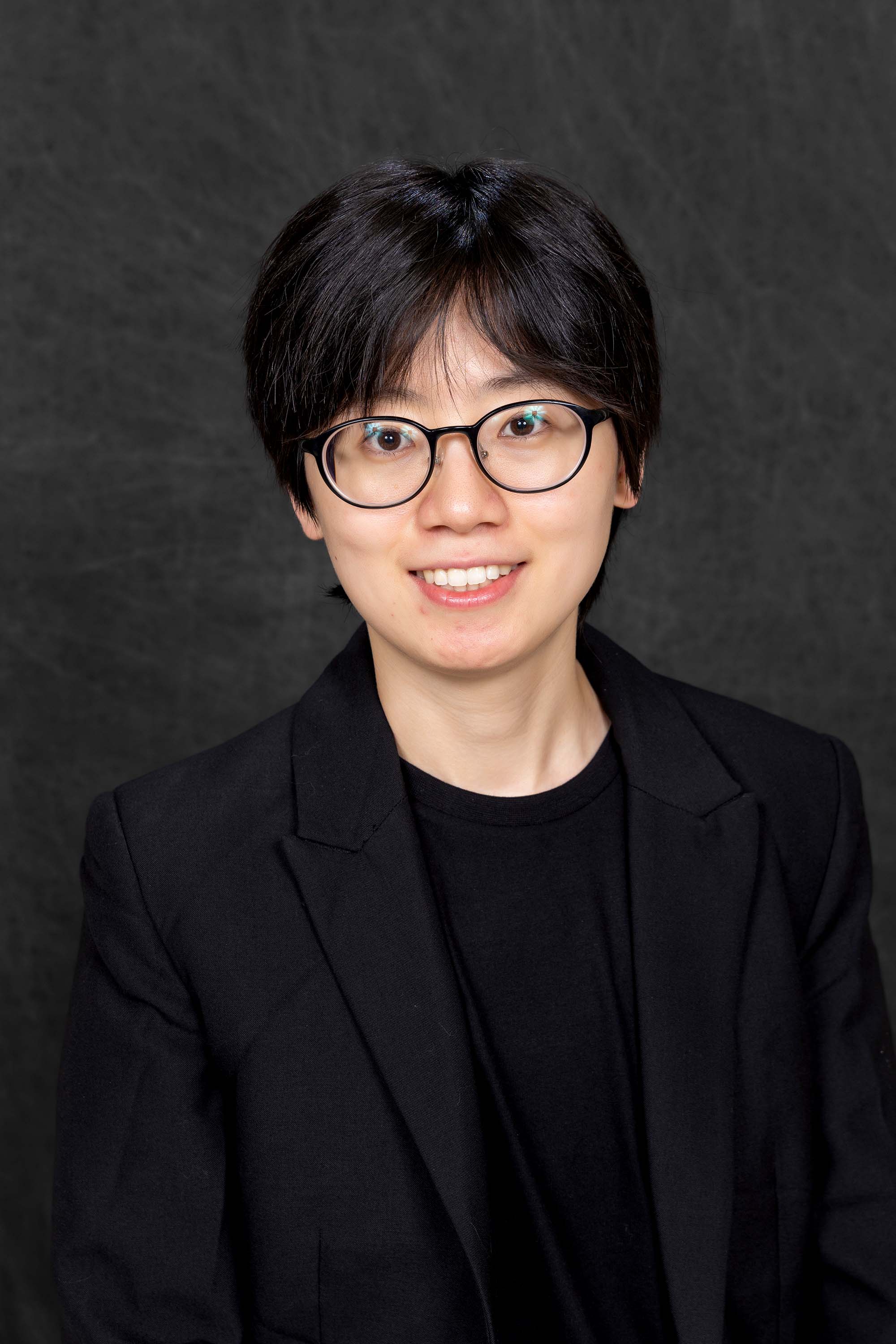
As a child, what did you want to be when you grew up?
As a child, I wanted to be a professional dancer when I grew up. It wasn't until my
undergraduate research experience that I discovered I wanted to be a scientist.
Who is your science hero and why?
Elizabeth "Betty" Campbell, my grandmother, is my science hero. After graduating from
LSU with a bachelor's degree in chemistry in 1962, she went on to work for chemical
engineering companies. None of the companies would allow her to work in the lab because
she was a woman. One day, she snuck into the lab to do some benchwork and was subsequently
fired. Betty went on to work for the FDA and was part of the team that wrote the first
food label regulations in 1990. She, along with many other female scientists, paved
the way for me to be a successful female scientist. I am grateful for all their hard
work, leadership, and dedication to pursuing good science.
What is your science superpower?
My science superpower is resilience. In science, many grants and manuscripts are rejected
time and time again. Being able to look at those rejections, make a few edits, and
then try again has helped me succeed.
What is one of your proudest professional moments or accomplishments?
My proudest professional moment was when I walked onto National Institutes of Health's
campus on my first day as a postdoctoral fellow. I never felt that sense of accomplishment
when I completed my PhD. However, as I walked through NIH's campus that first day,
I finally felt like I "arrived" as a scientist.
What is your message for girls who dream of a career in science?
My message to girls who dream of a career in science is to keep going. You will have
folks of all ages, genders, and sizes tell you that what you are doing isn't worthwhile
or not possible. Keep going. You will have applications rejected for no good reason.
Keep going. You will have experiments fail and hypotheses not pan out. Keep going. You won't make it if you stop.