
Always a Tiger: Andraé Holliday Jr.’s LSU Journey
August 19, 2026
For Andraé Holliday Jr., education has never been about reaching a finish line. Since
first beginning his academic journey at LSU in 2012, Holliday has earned five degrees
and three certificates, including a doctorate in leadership and human resource development,
while also serving as an adjunct instructor in LSU’s School of Leadership & Human
Resource Development. His journey reflects a lasting commitment to learning, professional
growth and the LSU community. 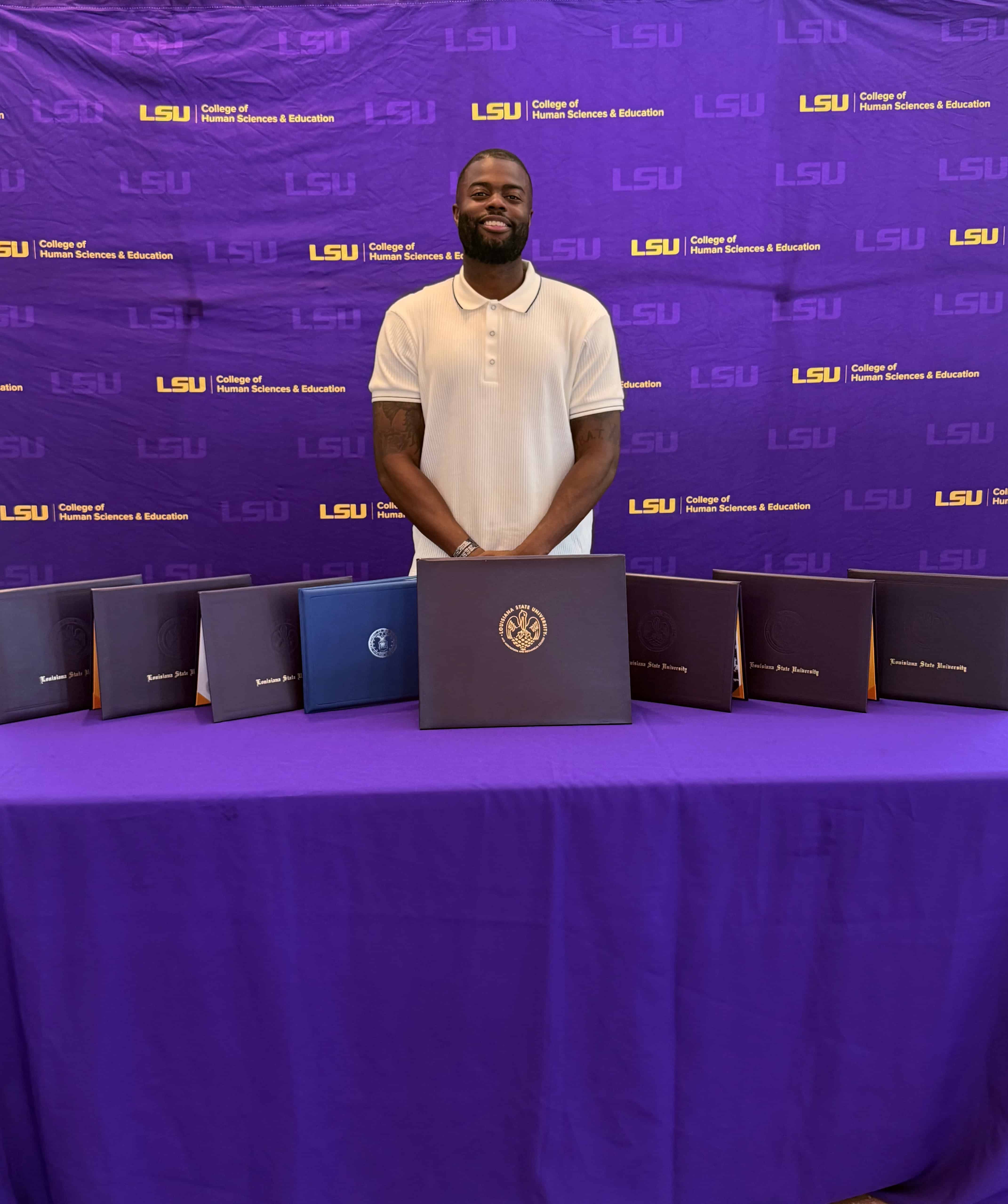
When did you first begin your journey as an LSU student? What was your first major,
and what led you to choose LSU?
I first began my journey at LSU in May 2012, and I originally majored in nutrition.
Like a lot of students, it took some trial and error for me to figure out what I was
truly passionate about, and I eventually realized that nutrition was not the path
for me.
LSU itself was never really a question. I wanted to go to LSU for as long as I can
remember. My mom attended LSU and graduated in nursing, so LSU was always present
in our household. I remember wearing LSU gear as early as elementary school. Growing
up with that connection, I knew that one day I wanted to be a student here myself.
I did not necessarily know what my journey at LSU would look like when I started in
2012, but I knew I wanted to be here, and I was determined to make that happen.
You’ve earned an impressive number of degrees over the years. Can you walk us through
the degrees and programs you’ve completed, and how many of them are from LSU?
My educational journey has definitely taken a few turns. I earned my Bachelor of Interdisciplinary
Studies from LSU in 2017, with concentrations in psychology, business and leadership.
I then earned a Master of Science in leadership and human resource development in
2018, followed by a doctorate in leadership and human resource development in 2025.
Most recently, I completed my Master of Business Administration in August 2026.
Along the way, I also pursued several certificates and specializations through LSU.
I completed the Future Faculty Graduate Certificate in 2024, a cybersecurity certificate
in 2025 and, most recently, an emerging technology certificate in August 2026.
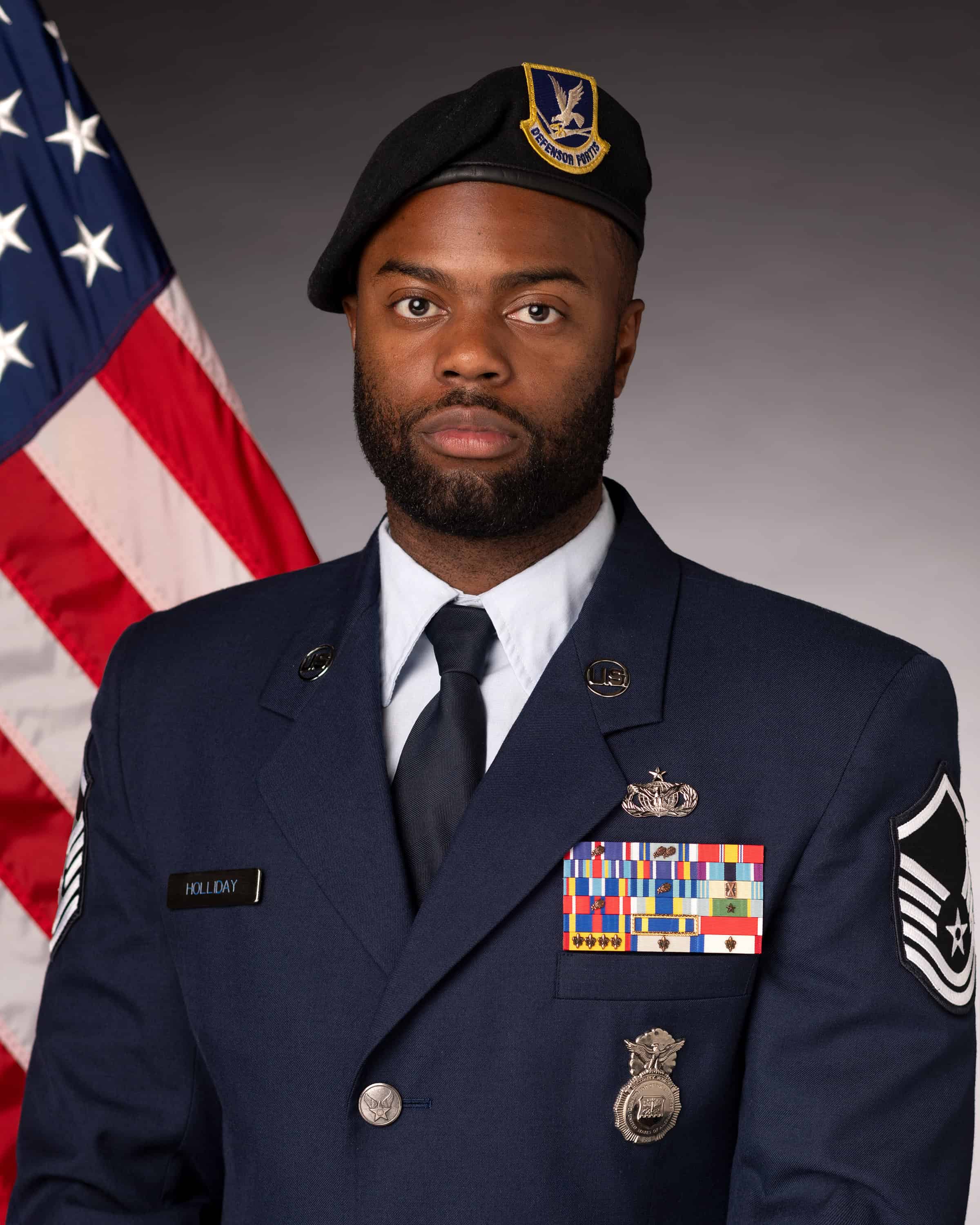
I also earned an Associate of Applied Science in criminal justice from the Community
College of the Air Force in 2019. Even that degree has an LSU connection, as I completed
about half of the coursework toward the associate degree through LSU.
Altogether, I have five degrees, with four awarded by LSU, as well as three additional
certifications and specializations from LSU. That gives me seven total credentials
from LSU. Even the one degree that was not awarded by LSU was supported significantly
by coursework I completed here.
When I first arrived at LSU as a nutrition major in 2012, I never imagined my educational
journey would grow into all of this. Each credential represents a different point
in my life where I saw an opportunity to learn something new, expand what I could
do or challenge myself in another area.
 What initially motivated you to pursue another degree after completing your first
program? Was there a particular moment or goal that kept you coming back to school?
What initially motivated you to pursue another degree after completing your first
program? Was there a particular moment or goal that kept you coming back to school?
After completing my bachelor's degree, I became increasingly interested in pursuing
the leadership route, largely because of my experiences in the Air Force. I had leaders
around me who saw leadership potential in me and encouraged me to continue pursuing
opportunities where I could lead and develop others.
As I researched LSU's master's program in leadership & human resource development,
I became inspired by the opportunity to actually study leadership. I wanted to understand
the strategies and theories behind effective leadership and learn how they could be
applied within organizations to improve the way people work, develop and ultimately
make organizations more effective.
I always say that mentorship is my passion and people are my purpose. That became
a major reason for continuing my education. I did not just want to hold leadership
positions. I wanted to understand how to be a better leader for the people I was responsible
for and how to help others develop into leaders themselves. Pursuing my master's degree
gave me an opportunity to begin building that foundation.
What has kept you connected to LSU throughout your educational journey? What does
LSU mean to you personally?
The people I have met at LSU are really what have made this journey worthwhile. During
my master's program, I met Kadaja Cryer, Kelli Bates and Corai Jackson, who became
lifelong friends. We continued into the doctorate program together, pushed each other
throughout that journey, and ultimately had the opportunity to graduate with our doctoral
degrees together from the same program. Having people around you who understand the
challenges, celebrate the successes, and continue to push you forward makes a journey
like this much more meaningful.
The faculty also played a major role in keeping me connected to LSU. I have been fortunate
to learn from faculty who are extremely knowledgeable but, just as importantly, genuinely
care about their students. Being around people like that made me want to continue
learning, pursue new opportunities and become more involved.
Over time, academia really became second nature to me. LSU went from being the university
I always dreamed of attending to a place where I found lifelong friendships, mentors,
opportunities, and eventually, a career. What has kept me here is the people and the
sense that there is always another opportunity to learn, contribute and give something
back to the community that has given so much to me.
After earning one degree, what made you decide, “I’m not done yet”? What has driven
your continued pursuit of higher education? What is next for you?
My continued journey in leadership & human resource development was heavily influenced
by the people I mentioned before. Having friends who were progressing alongside me
and faculty who continued to challenge and support me made pursuing the doctorate
feel like a natural progression. By that point, learning and academia had become a
significant part of who I was. 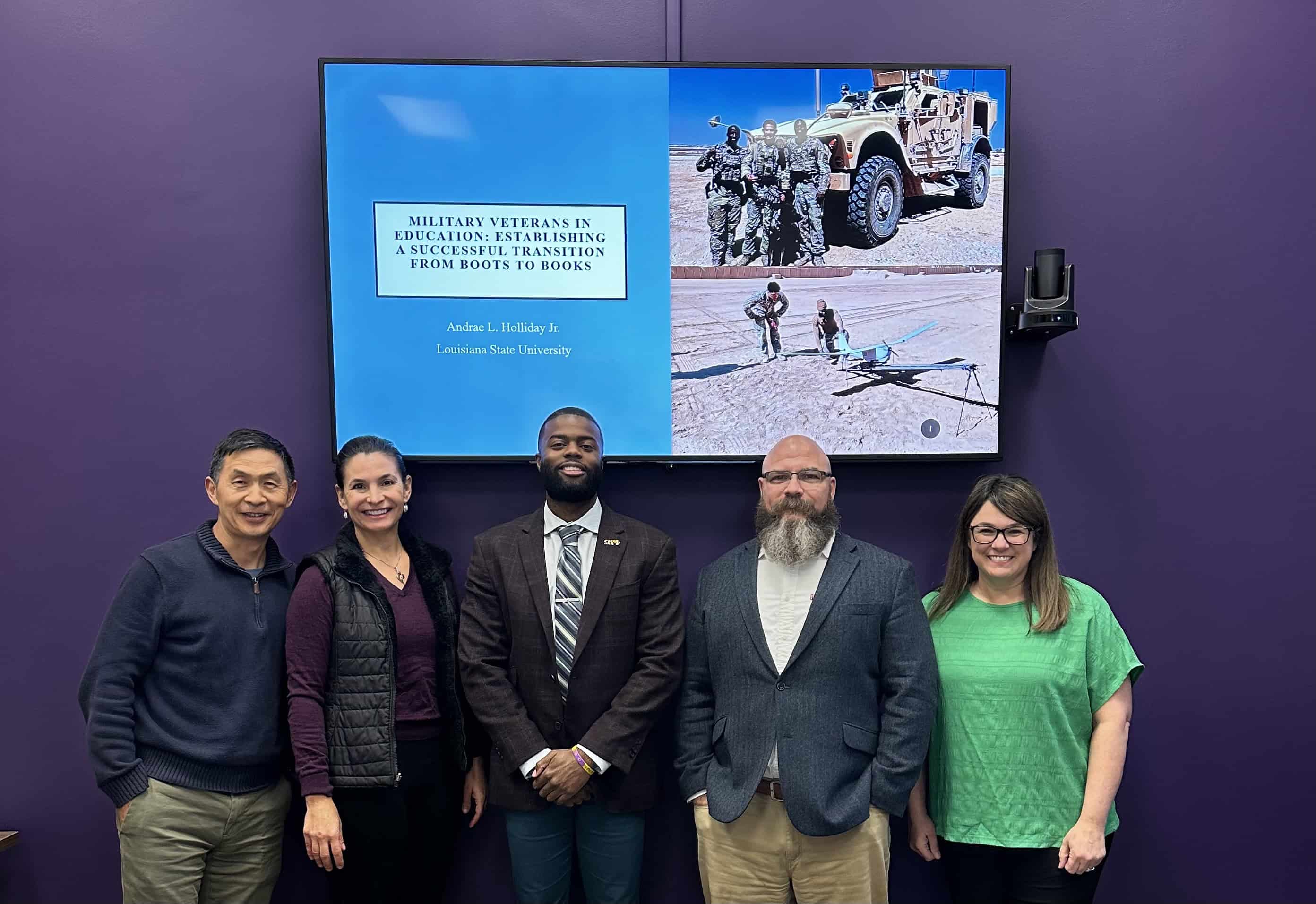
As I continued to grow professionally, though, my interests also began to expand.
Technology is advancing so quickly that I did not want to simply keep up with the
times. I wanted to understand how to implement new technologies, innovate with them
and use them to make the organizations and initiatives I am involved with more efficient.
That influenced my decision to pursue additional education in business, cybersecurity
and emerging technology.
The Air Force also influenced that decision. Leadership today requires you to understand
more than just people. You have to understand the different systems, tools and resources
available to you and how they can improve the way your unit or organization operates.
For me, continuing my education has been about becoming a more knowledgeable, innovative
and efficient leader across the different spaces I serve.
Also, my father is one of the main reasons for my pursuit of continuing education.
He has just as many degrees as me, and I am just playing catch up. He is the original
Dr. Andrae Holliday.
As far as what is next, I think my focus is shifting from simply earning credentials
to applying everything I have learned. I want to continue teaching, researching, mentoring,
leading and finding ways to bring leadership, business and technology together in
ways that can make a meaningful difference for people and organizations.
Were there particular professors, mentors or experiences at LSU that had a lasting
impact on you or influenced the direction of your education and career?
There have been several people at LSU who have had a lasting impact on me, and each
of them came into my life at a different point in my journey.
Kristie Galy was one of the first people who really introduced me to the leadership
program when I was trying to figure out my direction as an undergraduate. She helped
me see that leadership could actually become an academic and professional path for
me, and she is ultimately the reason I changed my major and began moving in that direction.
Dr. Douglas Waddell became a major mentor for me as I progressed through my undergraduate
years. I met him in 2016, and he encouraged me to pursue my master's degree. Since
then, his mentorship has extended far beyond academics. He has been heavily involved
in my progression as a scholar, professional and person.
Within my department, Dr. Tracey Rizzuto took a chance on me as a student and gave
me the freedom to explore my interests while still pushing me to grow. Dr. Petra Robinson
challenged me to become a stronger speaker and scholar. She encouraged me to present
at conferences, become more comfortable communicating my ideas and pursue opportunities
to publish my work.
Then there is Dr. Eddie Gibbons. I probably spent more time in his office than anywhere
else, especially when I began diving deeper into veteran research. I would bring ideas
to him, and he helped me think through how to turn those ideas into something tangible.
His insight and the way his mind works challenged me to think differently about research
and what I could contribute to the field.
When I look at my journey, I can see pieces of each of these individuals in the scholar,
educator, researcher and mentor I have become. They did more than help me earn degrees.
They helped me discover what I was capable of doing with them.
You’ve also served as an adjunct instructor in the School of Leadership & Human Resource
Development. What was it like to go from being an LSU student to teaching LSU students? 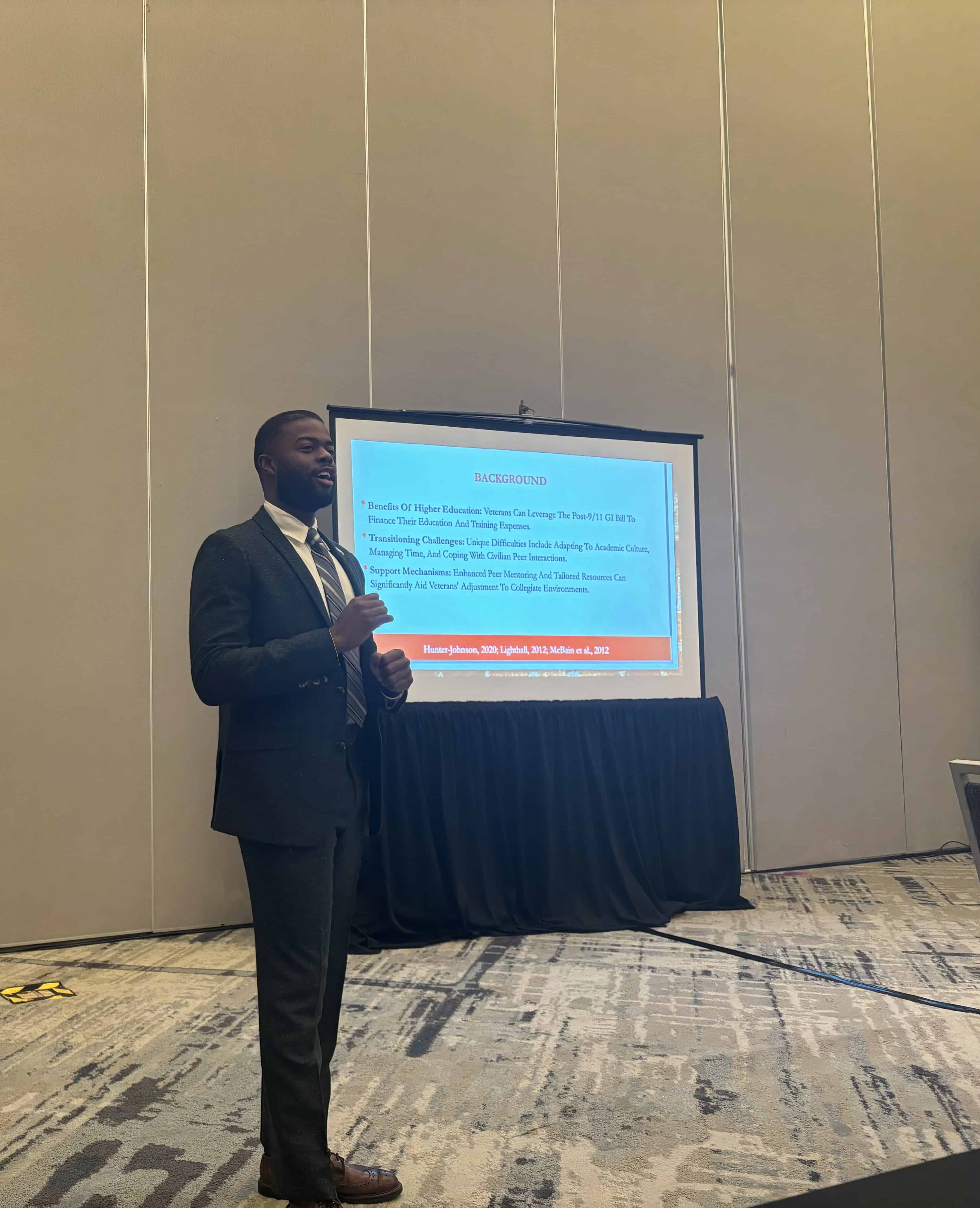 The transition from student to instructor was actually pretty smooth for me because
I had the opportunity to serve as a graduate assistant before stepping into the role
of an instructor. That experience allowed me to gradually learn what it meant to be
on the other side of the classroom and take on more responsibility as an educator.
The transition from student to instructor was actually pretty smooth for me because
I had the opportunity to serve as a graduate assistant before stepping into the role
of an instructor. That experience allowed me to gradually learn what it meant to be
on the other side of the classroom and take on more responsibility as an educator.
What has made the transition especially meaningful is that I still have the support
of many of the same people who helped me when I was a student. The individuals I mentioned
before did not stop being mentors once I earned my degrees. I can still go to them
for advice, ask questions and continue learning from them as I develop as a professor.
There is something special about now teaching within the same program that helped
shape so much of who I am. I have experienced it as a student, and now I have the
opportunity to contribute to someone else's experience as an instructor. My hope is
that one day a student can look back on having me as a professor and say that I had
the same type of impact on their journey that my professors and mentors had on mine.
How did your experiences as a student influence the way you approached teaching and
interacting with students as an adjunct instructor?
Being a student and a relatively recent graduate has definitely influenced the way
I approach teaching. I think it gives me a deeper understanding of both the current
and potential struggles students may experience because I am not that far removed
from being in their position. I understand some of the pressures they face, how they
communicate and even some of the newer tricks students may try when it comes to navigating
assignments and expectations.
In some ways, that can be a double-edged sword. Students may be more comfortable communicating
with me or asking for help because they feel that I understand where they are coming
from. I value that because I want my students to know that I am willing to work with
them when they are genuinely trying to succeed. At the same time, I have learned that
being understanding does not mean removing accountability. There have been moments
when that familiarity or relatability can become a hindrance if a student begins to
expect flexibility without responsibility.
That experience has helped me find a balance in my teaching. I can empathize with
what students are going through while still holding them to a standard that prepares
them for what comes next. I think being close enough to remember the student experience,
while now having the perspective of an instructor, helps me better understand both
sides of that relationship.
What has pursuing so many degrees taught you about yourself, lifelong learning and
the value of education?
Pursuing so many different areas of education has taught me that learning really never
stops. Every year, there is going to be a new innovation, a new way of thinking or
a new way to accomplish something. Especially in this new age of technology, things
are changing so quickly that we have to continue pursuing knowledge if we want to
keep up with those changes. 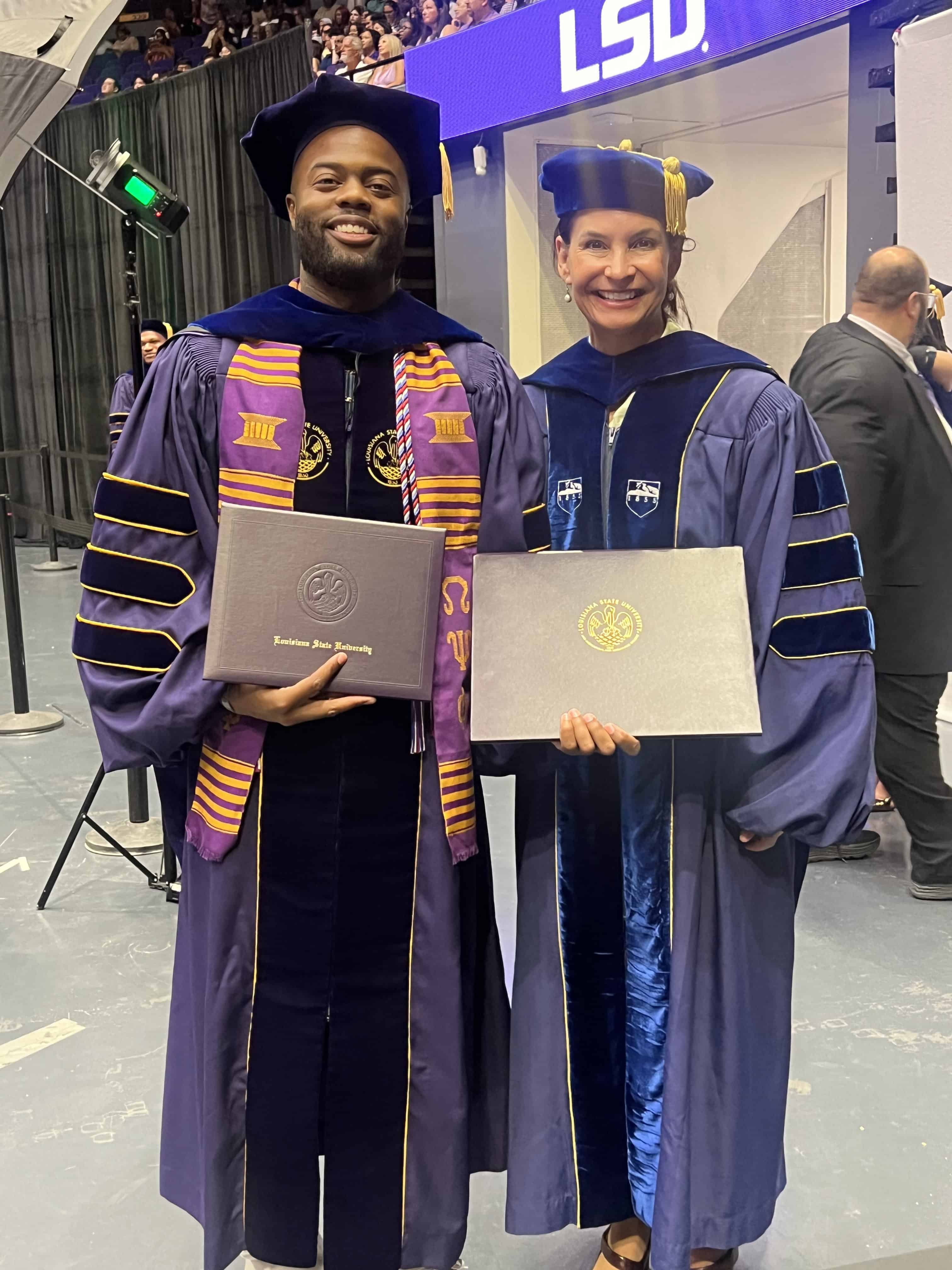
It has also taught me the value of having a broad range of knowledge. There are so
many different ways to approach and execute a task, and sometimes the best solution
comes from being able to pull from experiences and knowledge that may not seem directly
connected at first. That is one of the reasons I value having an educational background
that crosses several different areas.
At the same time, education has made me appreciate experience even more. I do not
believe knowledge is valuable simply because you earned a degree or completed a program.
There is value in being able to take what you have learned, combine it with your experiences
and actually apply it to what you are doing.
For me, lifelong learning does not necessarily mean continuously pursuing another
degree. It means understanding that there will always be more to learn. The moment
you believe you know everything is probably the moment the world starts passing you
by.
Looking back at where you started as an LSU student, what does it mean to you to see
how far your journey has taken you—and what do you hope your story inspires others
to do?
Looking back, sometimes it still does not feel real that I have been able to accomplish
everything that I have. I have never considered myself the smartest person in the
room or the most talented person in every space I enter. What I have always had, though,
is an amazing support system and people who believed in me, challenged me and helped
me continue moving forward.
When I think about the student who started at LSU in 2012 as a nutrition major, there
was no way I could have predicted where that journey would eventually take me. I changed
directions, discovered new interests, met people who changed my life and continued
taking advantage of opportunities that I never could have planned for when I first
arrived.
More than anything, I hope my story shows people that you can be authentically yourself
and still achieve at a high level. You do not have to become someone else to belong
in certain rooms or reach certain heights. You also do not have to have your entire
life figured out when you begin. Sometimes your path changes as you learn more about
yourself and what you are capable of.
If someone can look at my journey and see that it is possible to keep growing, change
directions, surround yourself with good people and still remain true to who you are,
then that means more to me than any individual degree or credential.
What is the value of an LSU degree to you?
To me, the value of an LSU degree goes beyond the credential itself. LSU is the flagship
university of Louisiana, and it is an institution that continues to grow its prominence
and impact nationally and internationally. There is a sense of pride that comes with
knowing that my education is connected to that.
For me personally, though, the value means even more because I want to continue my
career at LSU. I came here as a student, grew here academically and professionally,
and now I have the opportunity to teach and contribute to the same university that
has given me so much. I want to continue being part of LSU's growth and help contribute
to where the university is going next.
I also believe having an LSU degree comes with a responsibility. When I enter different
professional, academic or leadership spaces, I am representing not only myself but
also the institution that helped prepare me to be there. I want the work I do and
the way I serve others to reflect positively on LSU.
So, to me, an LSU degree represents opportunity, pride and responsibility. It connects
where I started, where I am today and where I hope to continue building my future.