
Can Stretching Improve Balance in People with Parkinson's? LSU Research Offers New Evidence
August 10, 2026
Could a simple ankle stretch help people with Parkinson's walk more confidently?
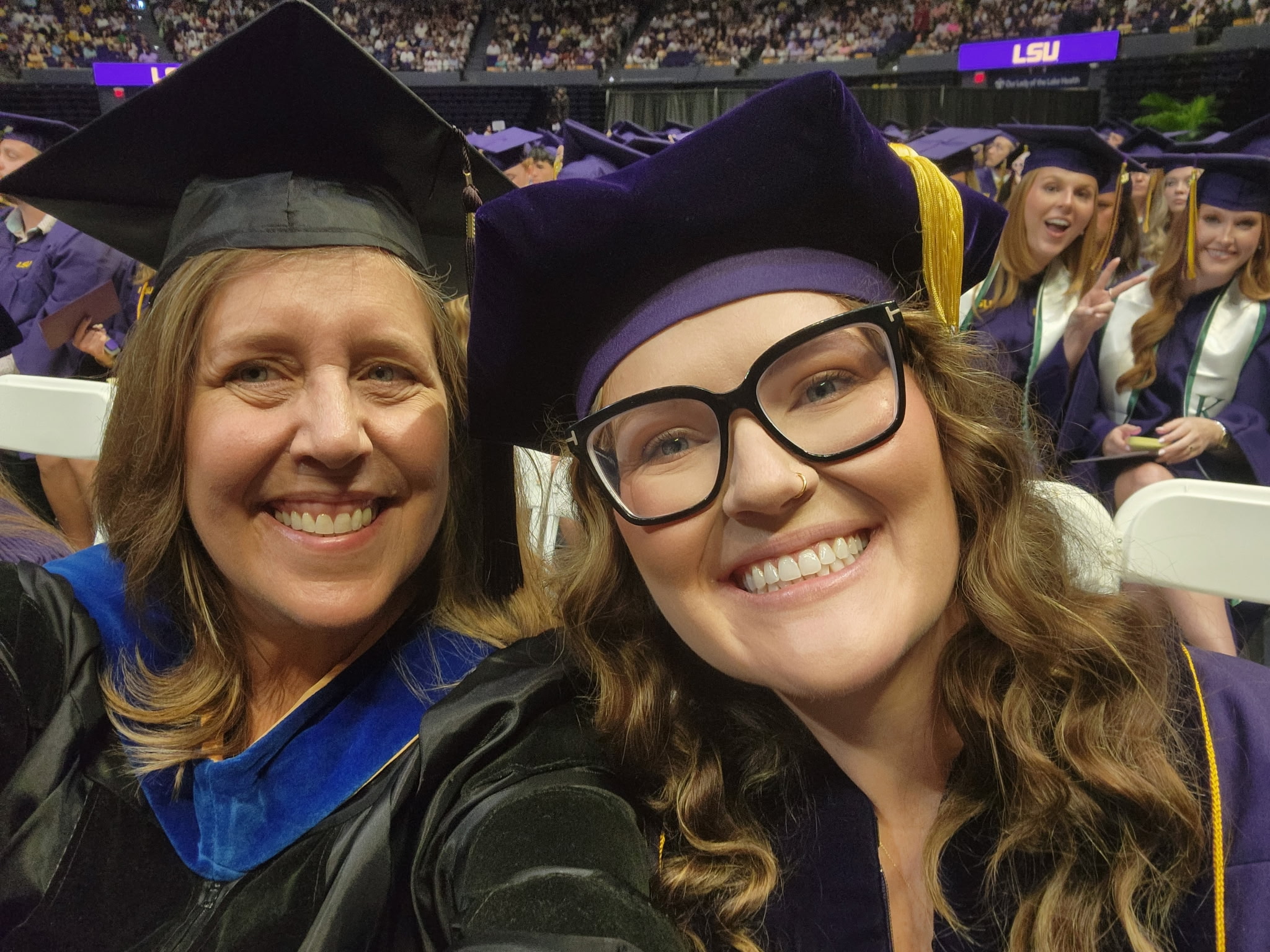
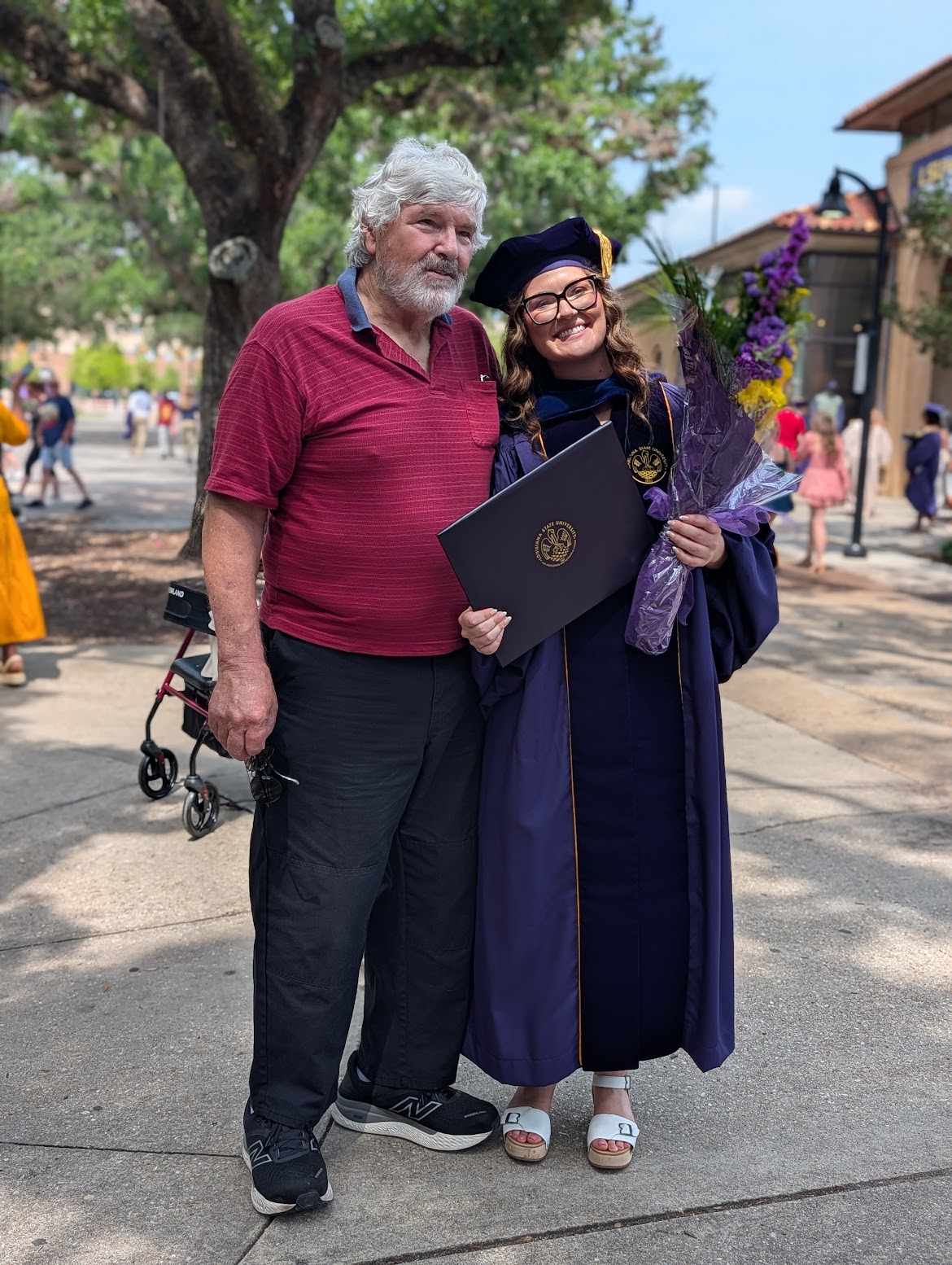
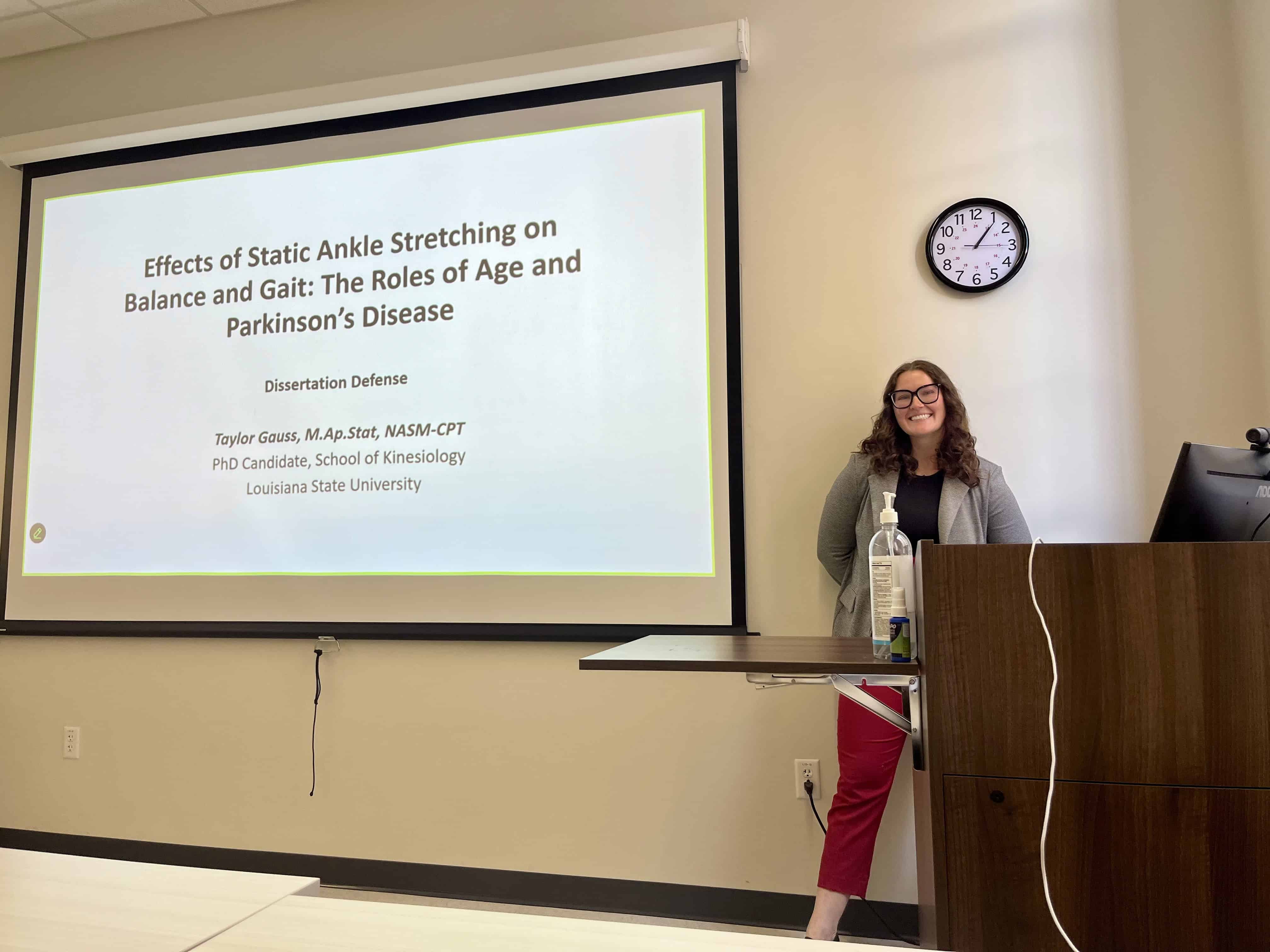
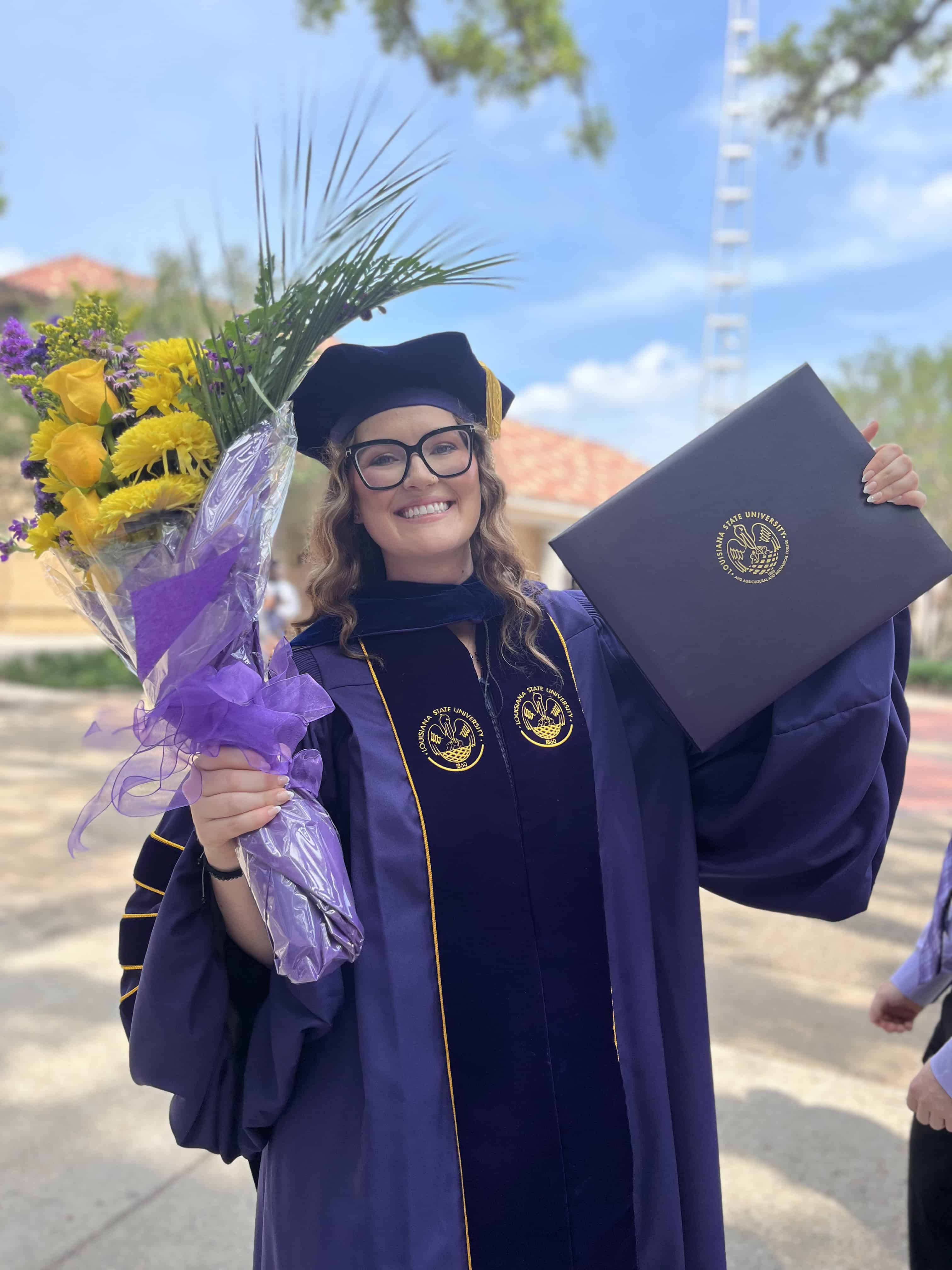
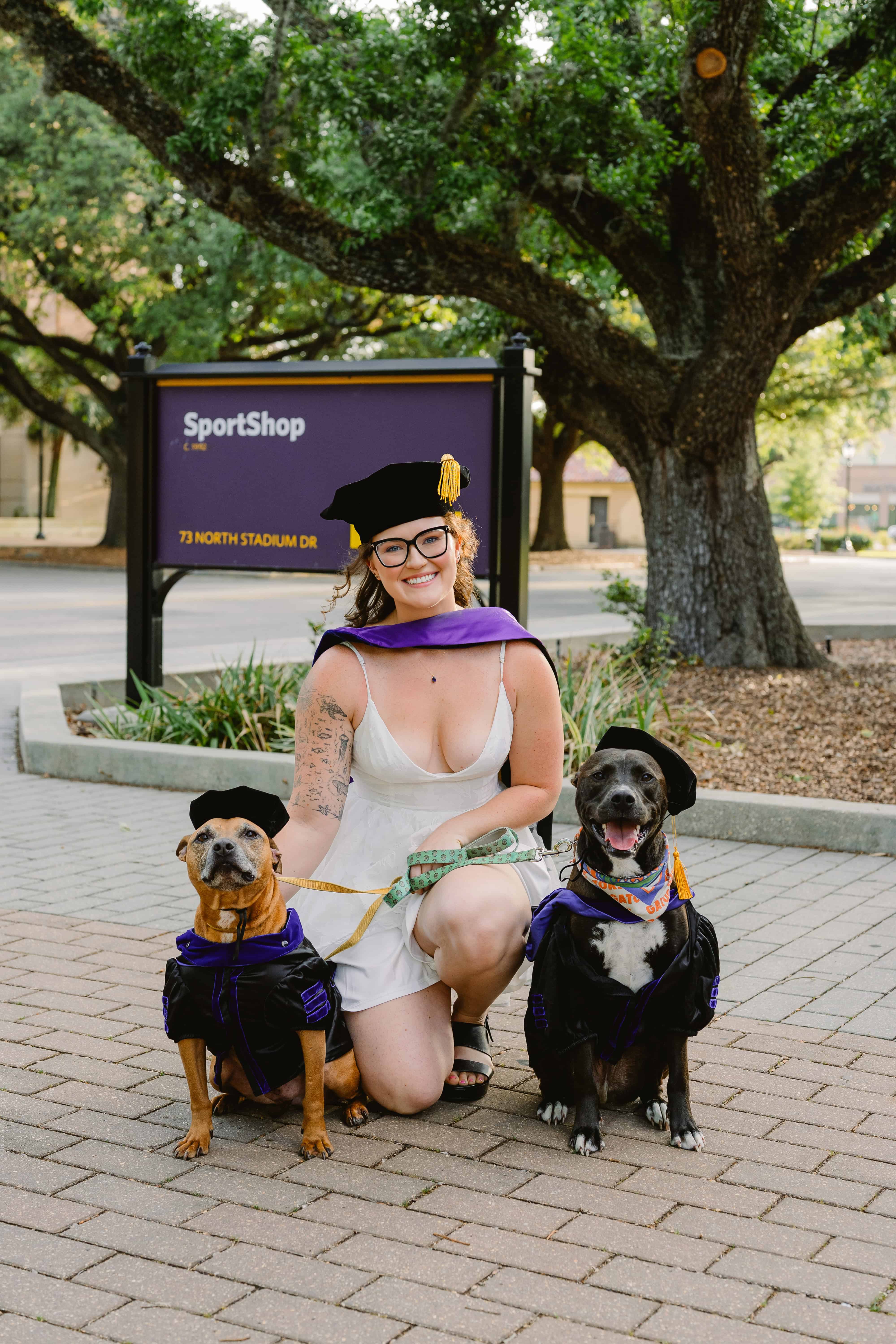
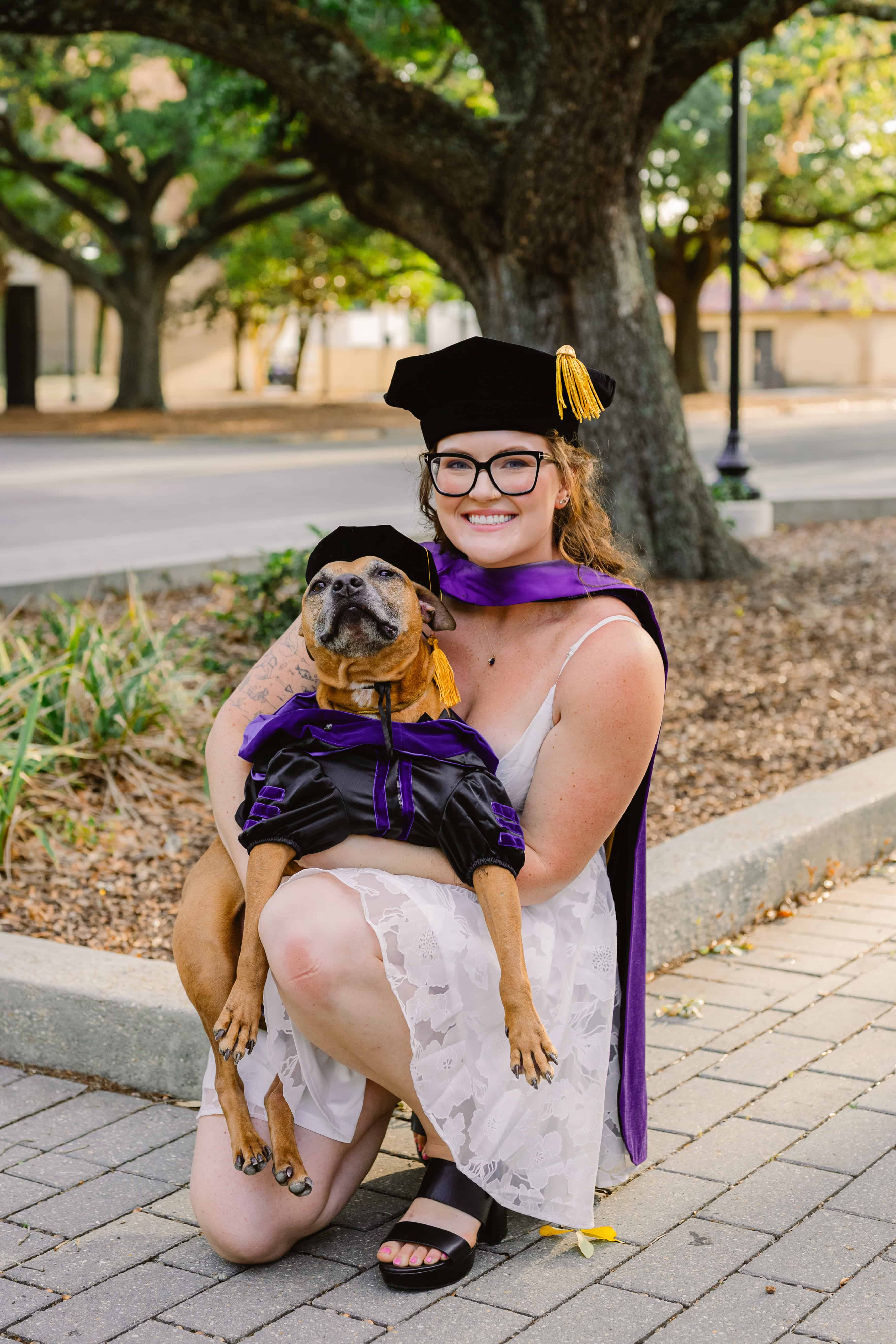
Recent LSU PhD graduate Taylor Gauss set out to answer that question in her dissertation. Working with healthy young adults, healthy older adults, and people with Parkinson’s Disease, Gauss found ankle stretches produced immediate improvements in walking and may serve as another useful tool for managing symptoms. Gauss and LSU School of Kinesiology and Ogden Honors College professor Jan Hondzinski have worked together to research and improve the quality of life for people with Parkinson’s in the Louisiana community. Gauss, whose father was diagnosed with Parkinson’s when she was in the eighth grade and passed away in 2023, is hopeful this first-of-its-kind study could influence how physical therapists treat people with Parkinson’s.
Why study ankles when most people think Parkinson's Disease (PD) starts in the brain?
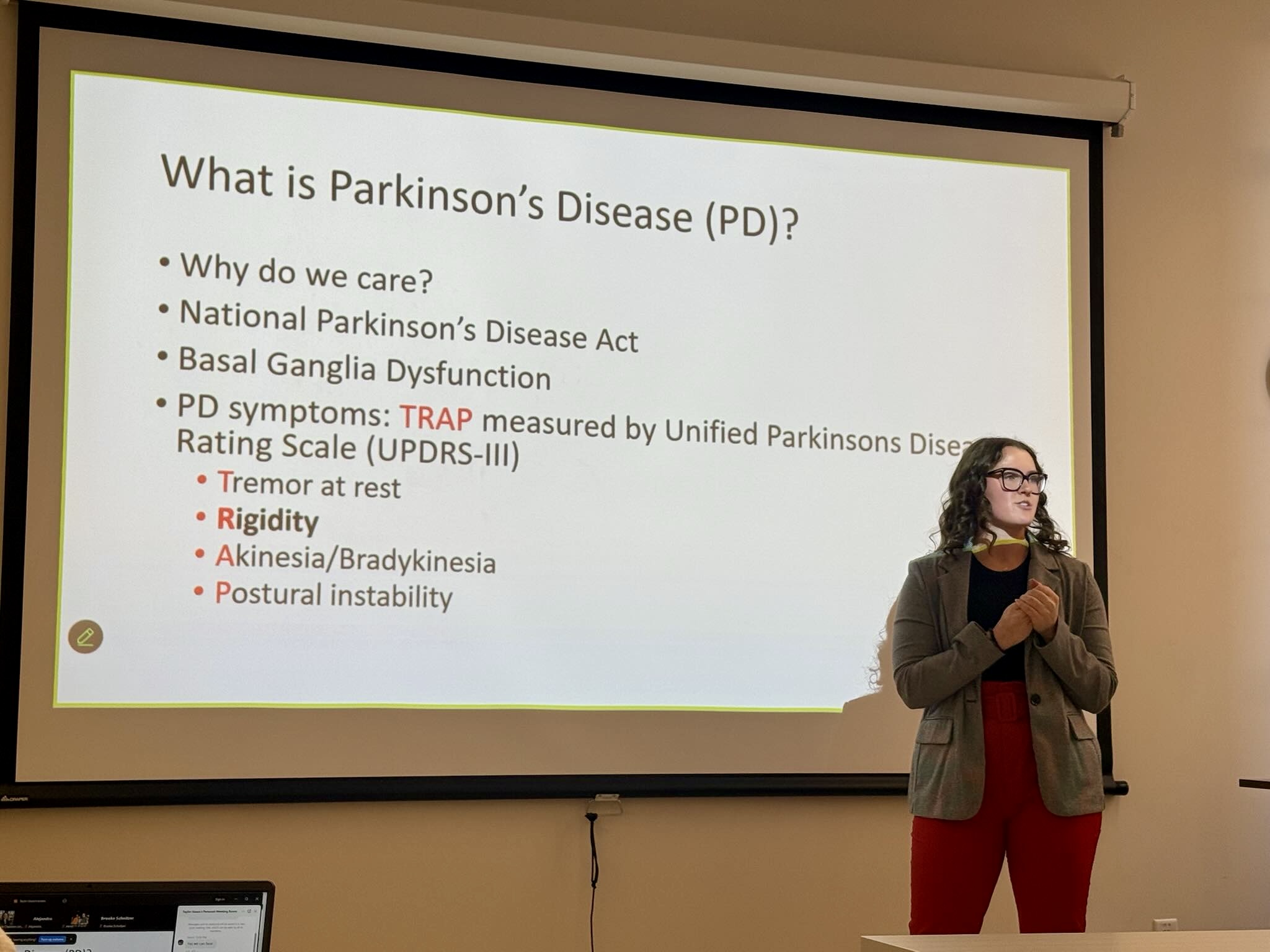
The ankle muscles play a huge role in maintaining balance for everyone. Although PD
impacts a specific region in the brain, one of the cardinal symptoms is rigidity,
or muscle stiffness. Specifically, rigidity at the ankle muscles further impairs balance
and increases fall risk in PD. We wanted to see if reducing ankle stiffness through
stretching could improve balance immediately.
What surprised you most?
I was surprised by how many participants (young, older, and people with PD) told me
they felt better even the day after stretching. I’m not sure if that was a placebo,
but if people felt better for a couple days, then that’s meaningful to me.
What did you discover that hadn't been shown before?
To our knowledge, this is the first study to examine the immediate effects of ankle
stretching on static balance in healthy young adults, healthy older adults, and people
with PD, while also demonstrating immediate improvements in walking. This suggests
that something even as short as stretching right before a walk could be beneficial.
Why did stretching help people with Parkinson's differently than healthy adults?
People with PD generally have much greater muscle rigidity than healthy older adults.
Because stretching directly targets muscle stiffness, those with PD may have more
room for improvement. In healthy adults, who already have relatively normal muscle
function, the effects are often smaller or different.
One of your findings suggests that increasing ankle range of motion may reduce postural
sway in people with greater rigidity. Why is that significant?
Balance requires the body to make constant small adjustments (at the ankles) to stay
upright. I like to think of it as a skyscraper, which naturally bend and sway slightly
in the wind instead of staying completely rigid. People with PD often have rigidity
that limits those adjustments. So, if we increase the usable range of motion within
this population, we see a decrease in postural sway and may decrease fall risk!
Your research also found improvements in walking measures such as step length, cadence,
and walking speed after stretching. What could those improvements mean in everyday
life for someone living with Parkinson's?
If they want to go for a walk in the park, walk with their grandkids. Could also help
mobility in everyday life and encourage physical activity!
What do you think is the biggest misconception people have about stretching or mobility
for people with Parkinson's disease?
I think one of the biggest misconceptions is that stretching doesn't really matter.
The American College of Sports Medicine (ACSM) recommends stretching for people with
PD, and while stretching isn't a cure, our findings suggest it can produce immediate
improvements in walking and may serve as another useful tool for managing symptoms.
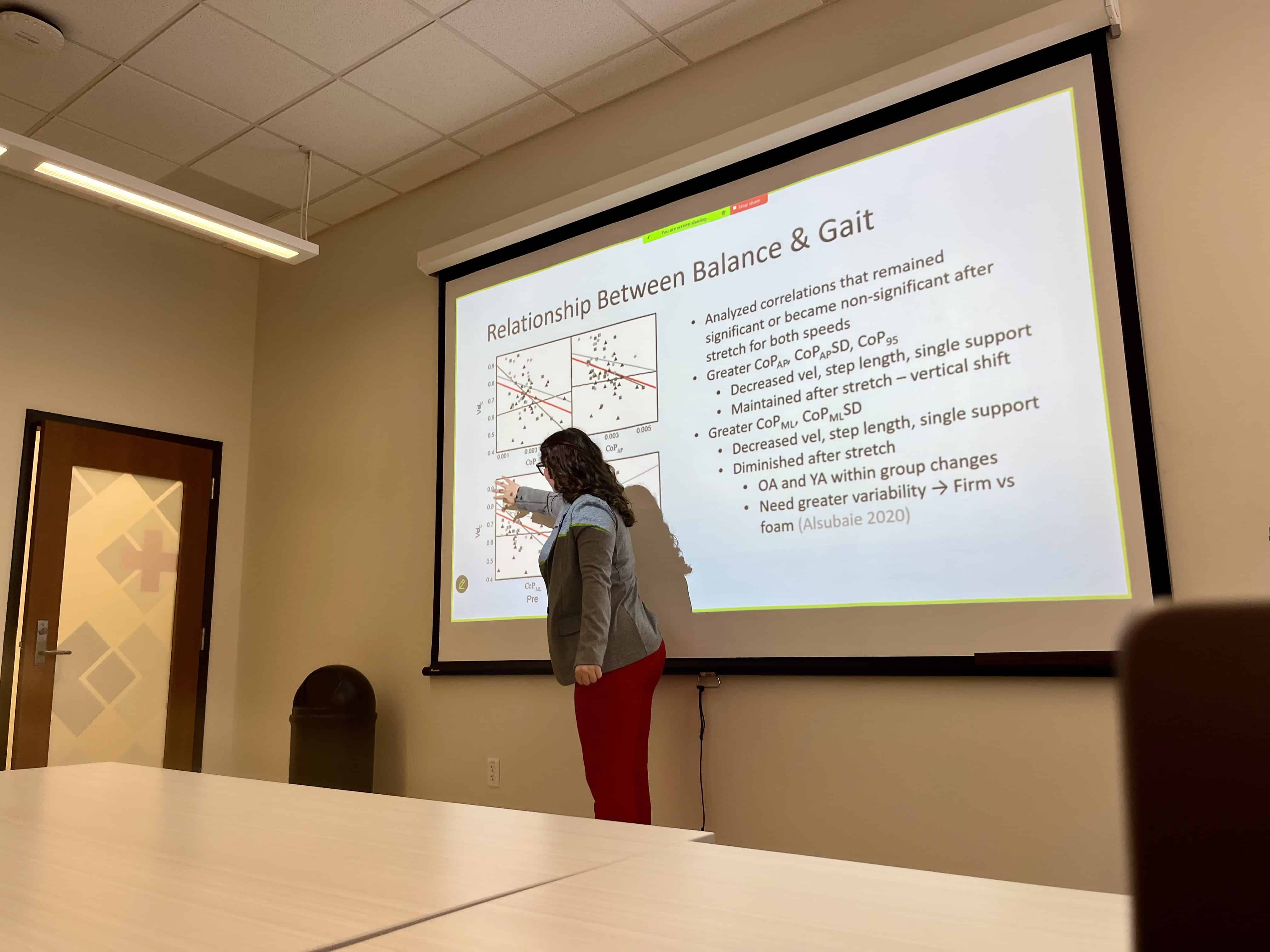
How could your findings eventually influence physical therapy, rehabilitation, or
future treatment approaches? What additional research is needed before these findings
could be applied more broadly?
Our findings could help physical therapists prescribe stretching in a more evidence-based
way. Current ACSM guidelines recommend regular stretching for people with Parkinson's
disease, but they don't provide many specifics about which muscles to target or how
long stretches should be held. This starts to fill in some gaps. Future studies should
determine how long these benefits last, different stretch times of different muscles
and whether repeated stretching leads to long-term improvements.
What do you hope people living with Parkinson's disease—and their families—take away
from your research?
I hope people know that researchers are developing non-pharmaceutical interventions
that may help balance and walking since traditional medication may not help. Stretching
won’t be a replacement, but it’s another tool that people can use to help their daily
life!
Looking back on your dissertation, what are you most proud of, or what discovery excites
you the most?
I'm most proud of having objective evidence of another therapy to help those with
PD. I remember talking to someone with PD before I started this project, and he said,
“I can already tell you it’s going to work.” It was really rewarding to see our data
support that idea. I also hope this research contributes to clearer stretching recommendations
and gives people another option on days when more intense exercise isn't practical.
Stretching is inexpensive, accessible, and something many people can do safely at
home.
What's next for you?
I’m currently a postdoctoral researcher at the University of Houston’s Center for
Neuromotor and Biomechanics. We really look at the mechanisms behind movement in healthy
and neurological populations. Hopefully, I’ll keep looking at stretching and other
non-pharmaceutical ways to better balance and gait in PD.
About the LSU School of Kinesiology
The LSU School of Kinesiology (SOK) advances the understanding of physical activity,
sport, and health to optimize the quality of life for diverse populations through
excellence in teaching, learning, discovery, and engagement. SOK offers a BS, MS,
Online MS, PhD, and two certificate options. Graduates go on to successful careers
in the health and fitness industry, corporate wellness, sport agencies and businesses,
athletic administration, and K-12 educational settings. SOK is part of the College
of Human Sciences & Education.