Lead Like a Champ: Chuck Wiley Speaks on Lessons in Leadership and Service
September 03, 2026
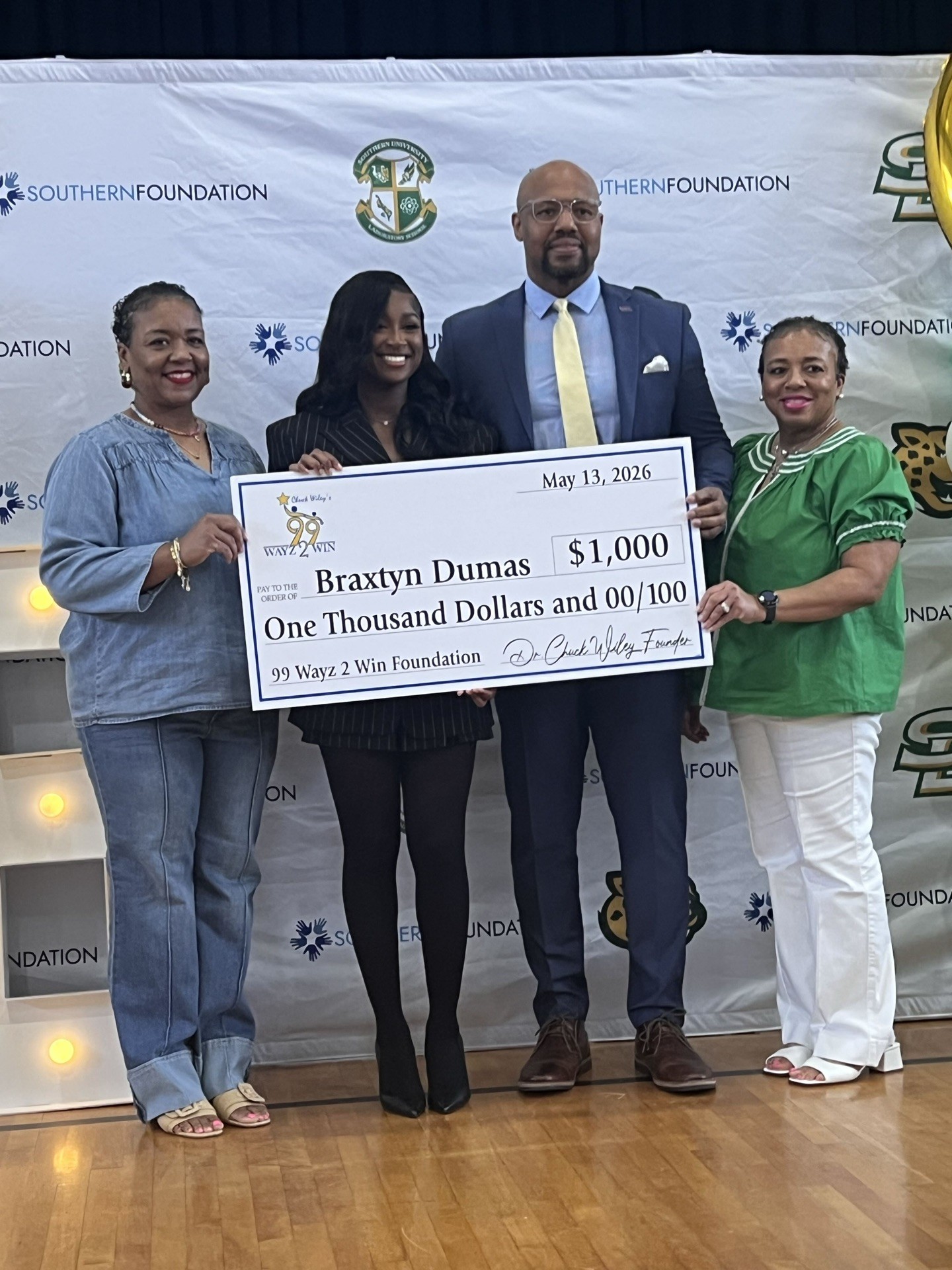
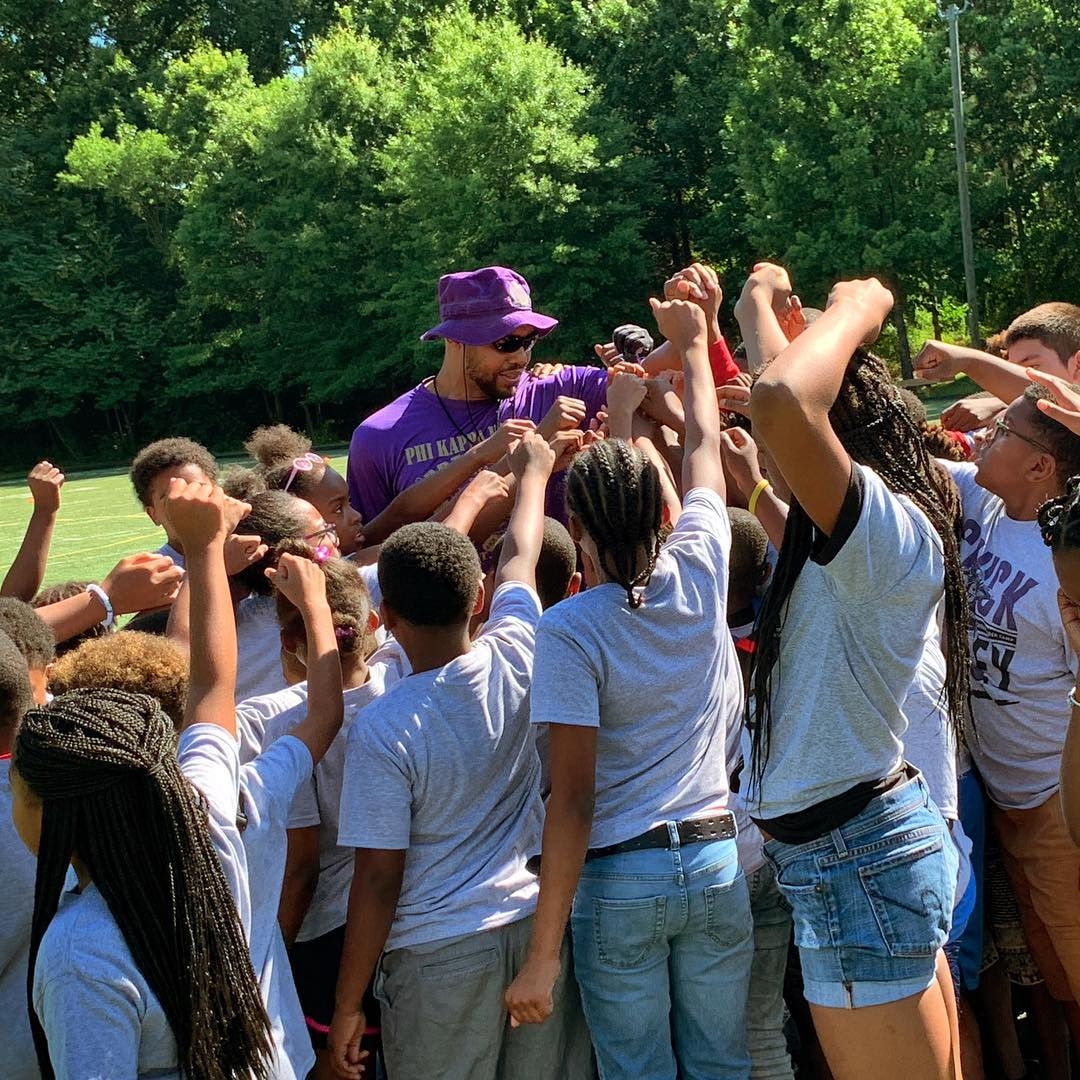
A Baton Rouge native, two-time LSU alumnus and former NFL player, Chuck Wiley, EdD, has built a career centered on education, leadership, mentorship and service. From the football field and classroom to his work with his 99 Wayz 2 Win Foundation, Wiley has used his experiences as an educator, author, leadership specialist and community advocate to create opportunities and inspire others.
We spoke with Wiley to learn more about how his commitment to youth development and underserved communities continues to shape his work locally, nationally and internationally.
You grew up in Baton Rouge and attended LSU as a student-athlete. What did your LSU
experience mean to you, and how did it shape the person you became?
My LSU experience meant a lot to me. Growing up in North Baton Rouge, I became familiar
with LSU in high school, but I never thought I'd attend until they started recruiting
me for athletics. However, becoming the first person in my family to graduate from
LSU made that opportunity even more meaningful. It showed young people in my community
that, regardless of where you come from or the circumstances you face, you can succeed
anywhere if you believe in yourself, work hard and stay disciplined.
In addition, LSU helped shape my confidence, toughness, resilience and commitment
to excellence. At LSU, we learn to compete, lead, overcome adversity and win in the
classroom, on the field and in life. Those qualities became part of my DNA, and I
have carried those qualities with me throughout my NFL career, education and service
to others.
Looking back at your time at LSU, are there particular professors, coaches, mentors
or experiences that had a lasting impact on you?
I was fortunate to have great people in my life and at LSU who saw more in me than
just a football player. Their investment helped prepare me not only to compete professionally
but also to become an educator, mentor, leader, and staple in my community. Mr. Verge
Ausberry and Dr. Tommy Karam, who served as academic advisors, were a one-two punch
in academic and life-skills support while I was a student-athlete at LSU. They had
a tremendous impact on my development as a student-athlete. In addition, Mrs. Shelly
Mullenix and Mr. Jack Marucci were more than athletic trainers; they became mentors
who taught me about balance, discipline, professionalism and caring for people beyond
athletics. Moreover, Dr. Carolyn Collins and Dr. Dennis Landin also had a meaningful
impact on my LSU experience. Mr. Derek Vaughn, the manager at the African American
Cultural Center on campus, also had a meaningful impact on my LSU experience.
You went from LSU football to a seven-year NFL career and eventually into education,
leadership and community service. What has been the common thread connecting those
different chapters of your life?
The common thread has always been leadership, service, discipline and helping others
win or be great. Also, football gave me a platform, but education and service gave
it a greater purpose. Whether I was competing at LSU, playing in the NFL, teaching
students, coaching athletes, or mentoring young people, my goal or purpose has remained
the same: use what I have learned and the opportunities I have been blessed with to
help someone else move forward. Provide UPLIFT.
What lessons did you learn through athletics that have continued to influence your
work as an educator, mentor and leader?
Athletics taught me that talent alone is never enough. Preparation, discipline, accountability,
teamwork, perseverance, character, consistency and giving 120% effort will determine
how far you go. I also learned how to respond to adversity, accept coaching, compete
under pressure and work with people from different backgrounds toward a common goal.
Win! Nevertheless, those lessons are just as important in a classroom, workplace,
family or the community as they are on a football field.
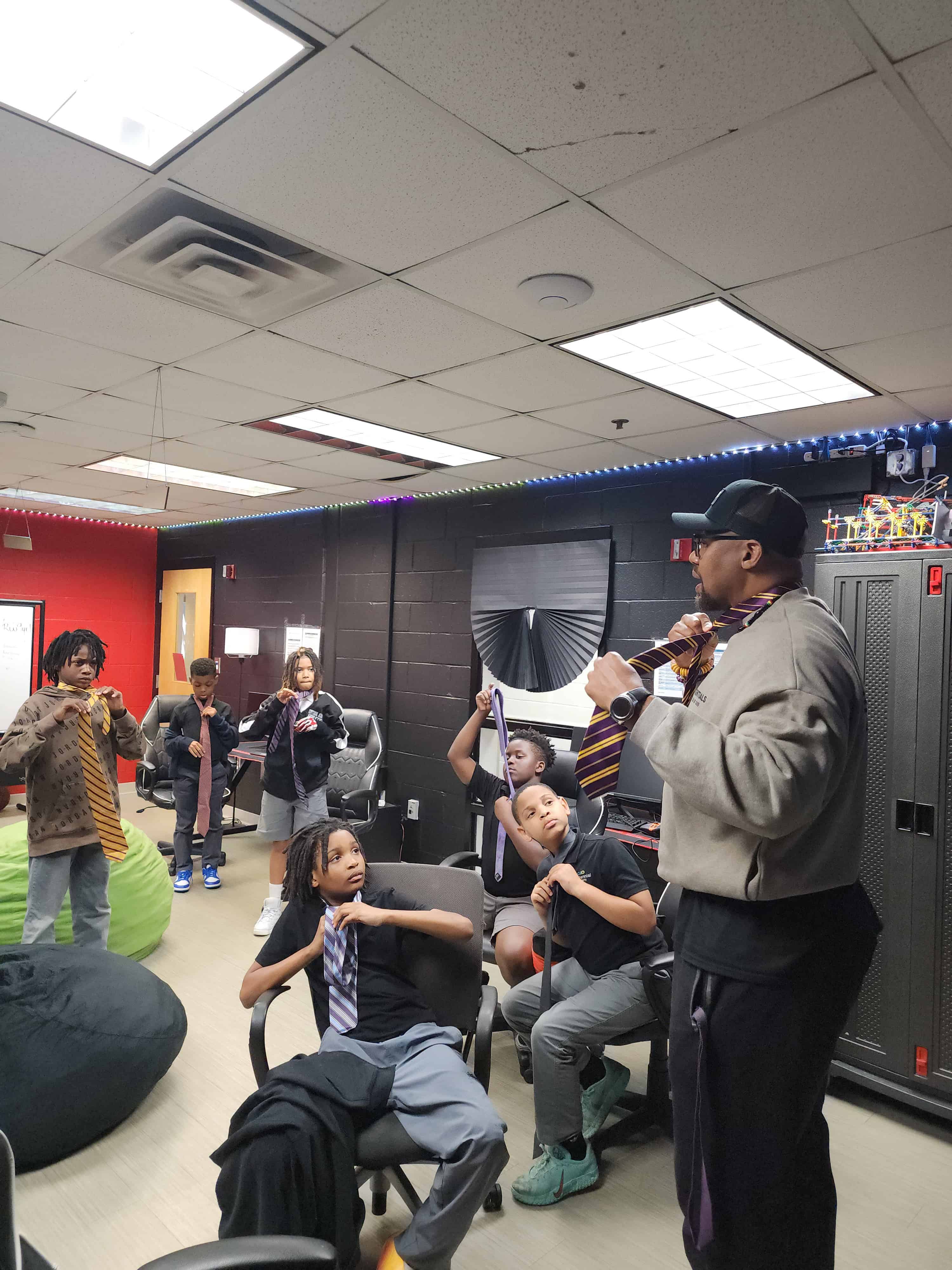
After your NFL career, what inspired you to pursue education and devote so much of
your time to mentoring others?
My parents and grandmother were the number one reason. I did not want to disappoint
them; I always wanted to make my family and community proud. Moreover, I knew football
would eventually end, but my ability to make an impact didn't have to end with it.
Education had opened doors throughout my life, so continuing my education was a way
to prepare for the next chapter and show young people that learning should never stop.
I also wanted young athletes to understand that their identity and potential extend
far beyond sports. A jersey or fame may give you a platform, but your education, character,
leadership and service determine what you do with that platform.
You founded the 99 Wayz 2 Win Foundation more than 20 years ago. What inspired you
to create the organization?
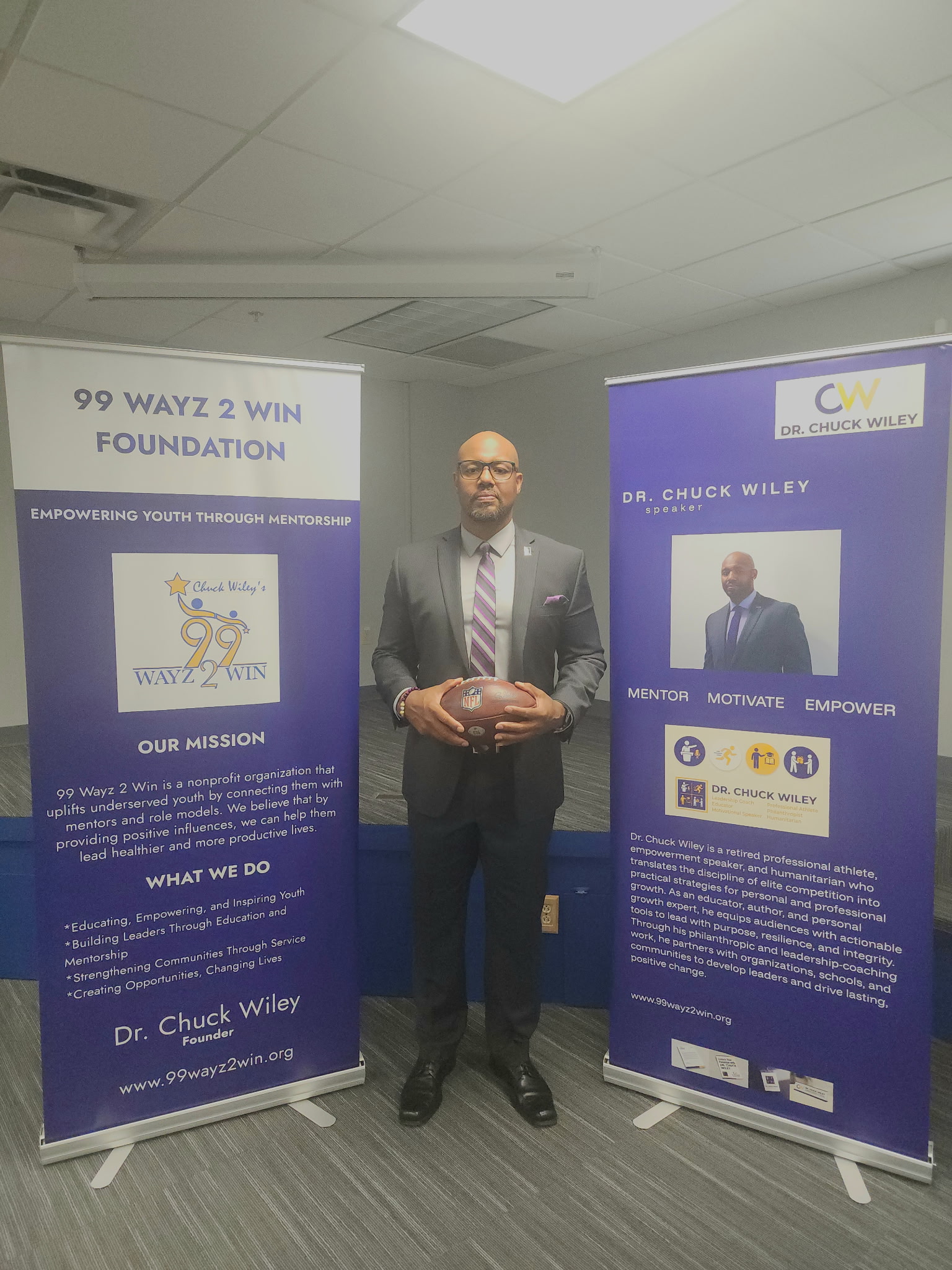
I founded the 99 Wayz 2 Win Foundation in 2001 because I wanted to use my experiences,
resources and platform as a professional athlete to give young people opportunities
to succeed, especially in my community. I knew talented, intelligent youth needed
exposure, encouragement, mentorship, resources and someone willing to believe in them.
I wanted to give them a chance. Also, I wanted to create a legacy, something that
would continue long after my playing career to empower and inspire our youth, our
next generation.
What does “99 Wayz 2 Win” mean to you, and how does that philosophy shape the work
you do with young people?
To me, 99 Wayz 2 Win represents the belief that there is never just one path to success;
you have at least 99 ways; choose one. We all know every young person has different
talents, circumstances, challenges and dreams. Also, winning may mean earning a scholarship,
graduating from college, becoming a skilled professional, starting a business, serving
your community, becoming a great parent or simply becoming better than you were yesterday.
“Did you get better today?” is something our coaches asked daily. Our responsibility
is to help UPLIFT young people discover their way to win and give them the tools,
confidence, education and support to pursue it.
Your foundation focuses on mentoring, literacy, scholarships, college access and leadership
development. Why are those areas particularly important to you?
Those areas create opportunity. Literacy provides the foundation for learning. Education
expands possibilities. Mentoring provides guidance. Scholarships help remove financial
barriers. College and career exposure allows young people to see possibilities they
may never have considered, and leadership development prepares them to positively
influence others. Moreover, I want our young people to understand that where they
start does not have to determine where they finish in life.
Can you share a particular story or interaction with a young person that has stayed
with you over the years?
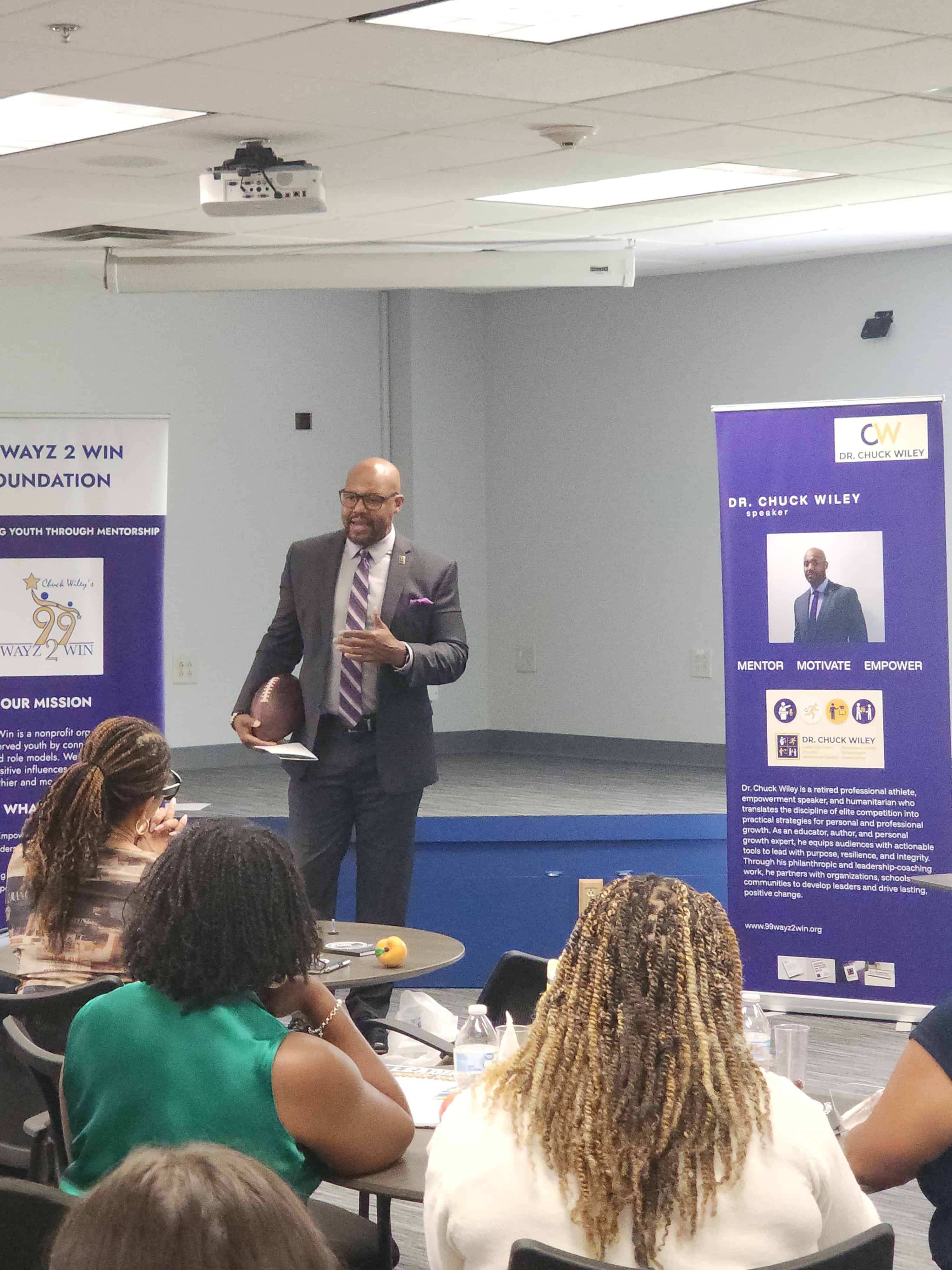
When I came home to visit my high school alma mater, Southern Lab High School, a kid
ran up to me, gave me a big hug, and thanked me for pouring into him, the school and
the football team, and for how it changed his life. He also talked about the cleats
I donated because, at the time, he didn't have any. I was humbled and proud that I
could help a young man who looked up to me. That moment made me feel truly blessed
to have touched somebody's life. When someone you once mentored becomes a college
graduate, educator, coach, parent, professional or mentor themselves, you realize
the impact was never about one event. It was about planting a seed that kept growing.
What have the young people you've mentored taught you about leadership, success and/or
service?
They have taught me that leadership begins with listening and that impact requires
consistency. Most young people know when you genuinely care. In fact, they don't simply
need someone to tell them what to do; they need people who will show up, listen, encourage
them, hold them accountable, walk alongside them, or, to sum it up, show them you
care.
You've used athletics as a platform to teach young people about teamwork, discipline,
character and academics. Why do you think sports can be such a powerful vehicle for
those lessons?
Sports are a classroom for life, and football is the ultimate team sport. Athletics
teach you how to prepare, compete, communicate, sacrifice, handle disappointment,
respect others, accept accountability and work toward something bigger than yourself.
Moreover, while youth may begin playing sports simply out of love for the game, that
passion gives us the opportunity to teach them lessons that extend far beyond athletics.
Your community work also includes health screenings, veterans' initiatives and college
and career expos. What motivates you to address such a broad range of needs within
communities?
My family is my why. My father-in-law and grandfather-in-law are the biggest part
of that story. My grandfather-in-law earned a Purple Heart in World War II, and my
father-in-law was drafted into Vietnam; both served with honor, and both came home
to little to no support or resources. They were heroes on the battlefield, but they
never got the hero’s welcome they deserved. Those testimonies stayed with me, and
it’s a big reason I stay committed to veterans’ initiatives today, making sure the
people who served don’t get overlooked once the uniform comes off.
That experience also shaped how I think about community work more broadly. Strong
communities don’t come from addressing one need in isolation; they come from looking
at the whole person and the whole family. We all know education matters, but so does
your health, employment, career opportunity, mentorship and access to resources. Also,
you can’t separate those things and expect people to thrive. Nevertheless, whether
it’s connecting students with HBCUs and career pathways, running prostate cancer and
glucose screenings, supporting veterans, promoting literacy or mentoring young people,
the mission underneath all of it is the same: meet people where they are, put real
resources in front of them and help build a pathway to a better future.
You've continued to give back to Scotlandville and the broader Baton Rouge community
where you grew up. What does being able to serve your hometown mean to you?
Serving Baton Rouge, and particularly Scotlandville, is deeply personal. Those communities
helped raise me. In fact, they taught me toughness, pride, perseverance, faith, family
and the importance of looking out for others. Many people in my community looked out
for me. I want the youth growing up there today to see that someone can leave the
neighborhood, accomplish great things and still come home to serve. Success should
never make you forget where you came from. Be an inspiration!
You've also taken your service internationally through your work in Ghana. What inspired
you to expand your work beyond the United States?
That story starts with my teammate, fraternity brother, and fellow alumnus, Ofori
Agboka. Back when we were students, Ofori would talk about Ghana constantly: the history,
the culture, the pride of his family’s roots there. He kept telling me the same thing
for years; the community could benefit from what I do: mentoring, leadership, community
service. He kept inviting me to see it for myself. I finally made the trip, and it
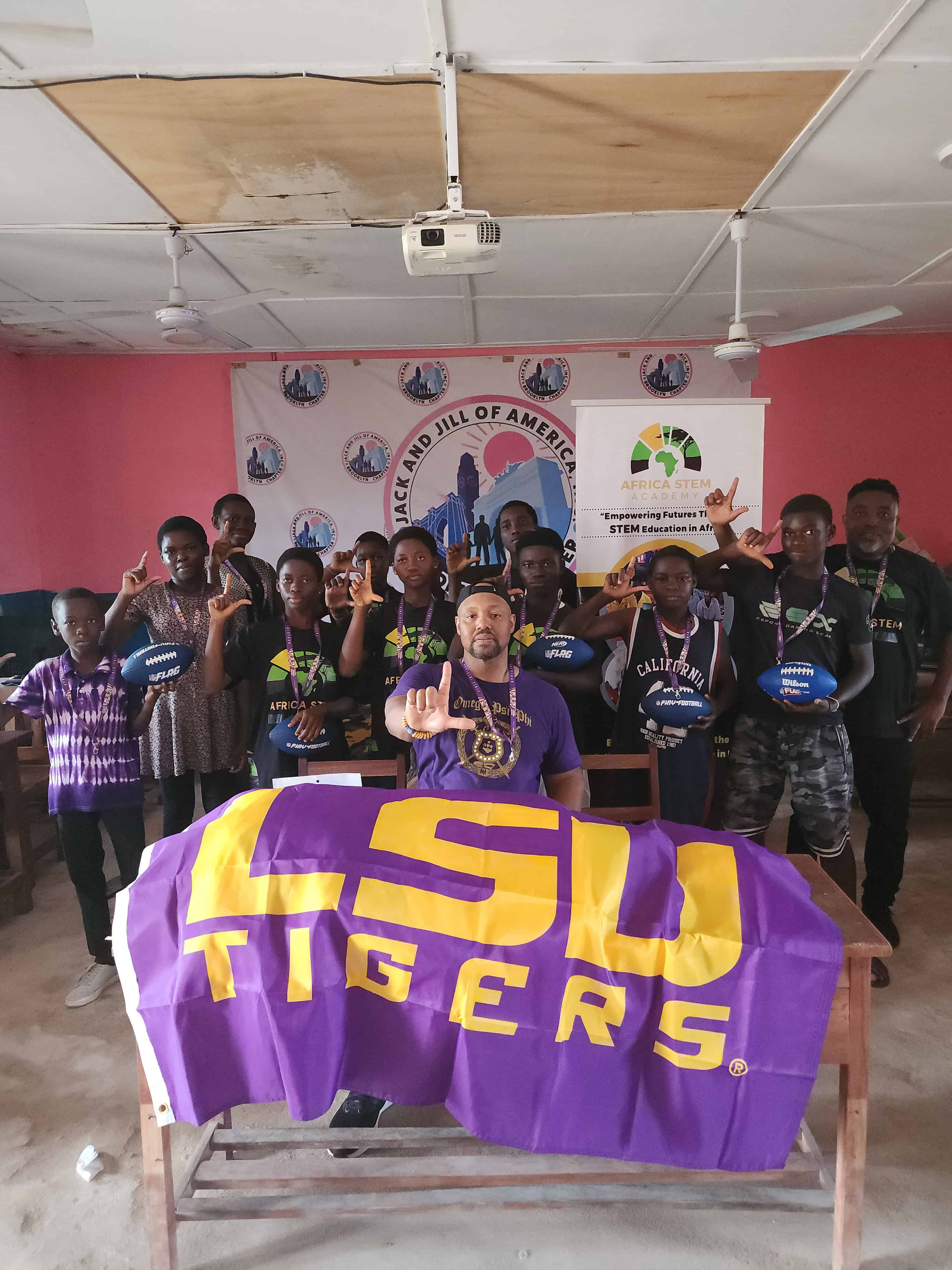
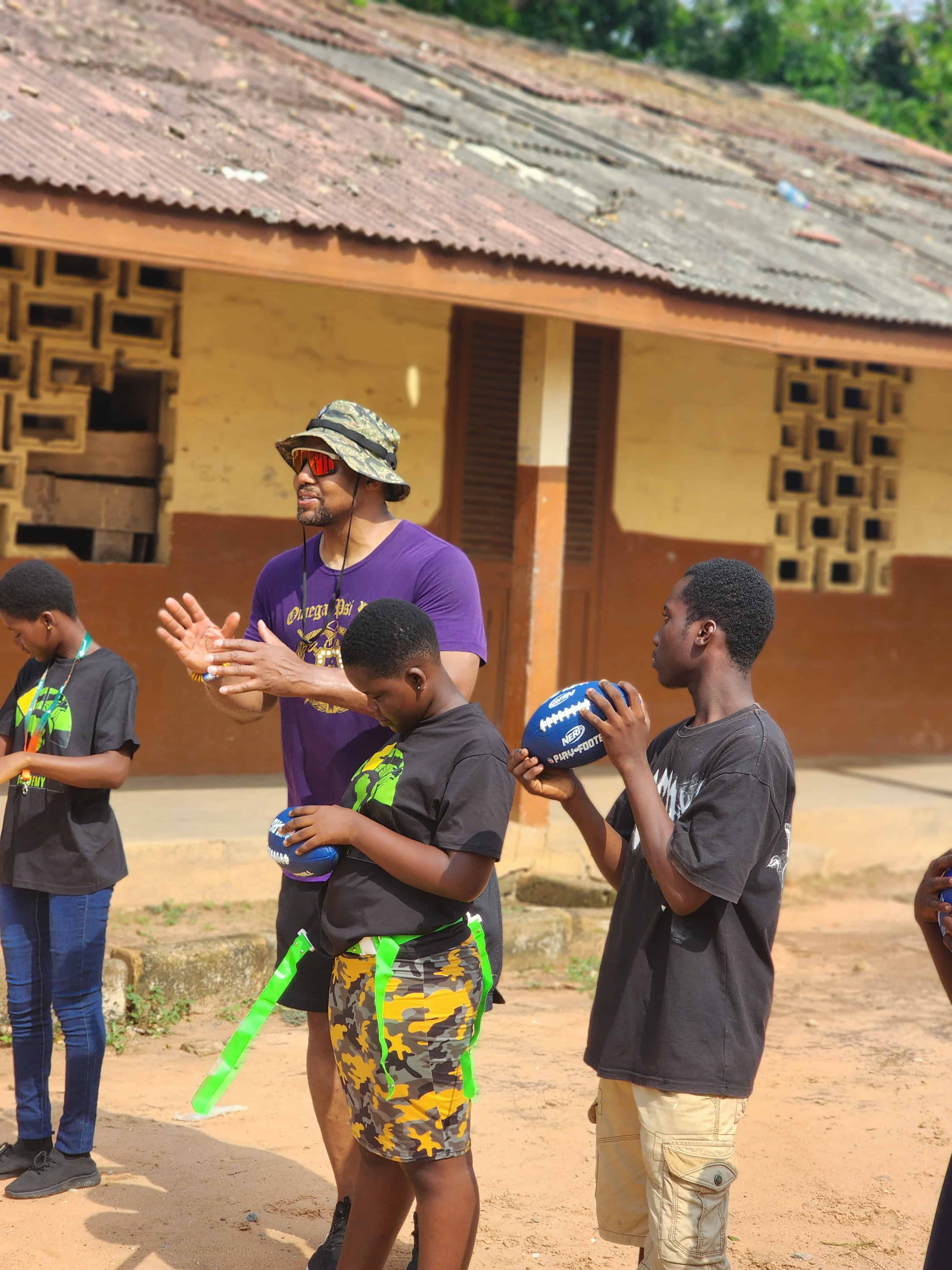
turned into something much bigger than a visit. Through my foundation, I donated sports
equipment and had the chance to mentor middle school students at a local STEM school
in Accra. I also introduced the kids to American football, running a small flag football
camp with equipment donated by my former NFL teams.
Also, what struck me most is how universal the need really is for mentorship, education,
leadership, opportunity. Kids in Accra want the same things kids here want: to learn,
to compete, to dream, to belong and to have someone believe in them. Moreover, taking
that work to Ghana let us use education, sports, mentorship and resources to build
a real bridge between communities. Furthermore, it reinforced something I believe
deeply: service has no borders.
What have you learned from your experiences serving communities in Ghana that has
influenced the way you approach your work elsewhere?
Ghana reinforced the importance of gratitude, relationships, culture, resourcefulness
and community. I also quickly realized that impact is not always determined by how
much you have, but by how willing you are to share what you have.
It also reminded me that the youth in most settings, everywhere, respond to encouragement,
opportunity, structure, genuine relationships and leadership.
You wrote Lead Like a Champ! to teach young readers about integrity, accountability, service, perseverance and
teamwork. Why were those the values you wanted to emphasize to this age group?
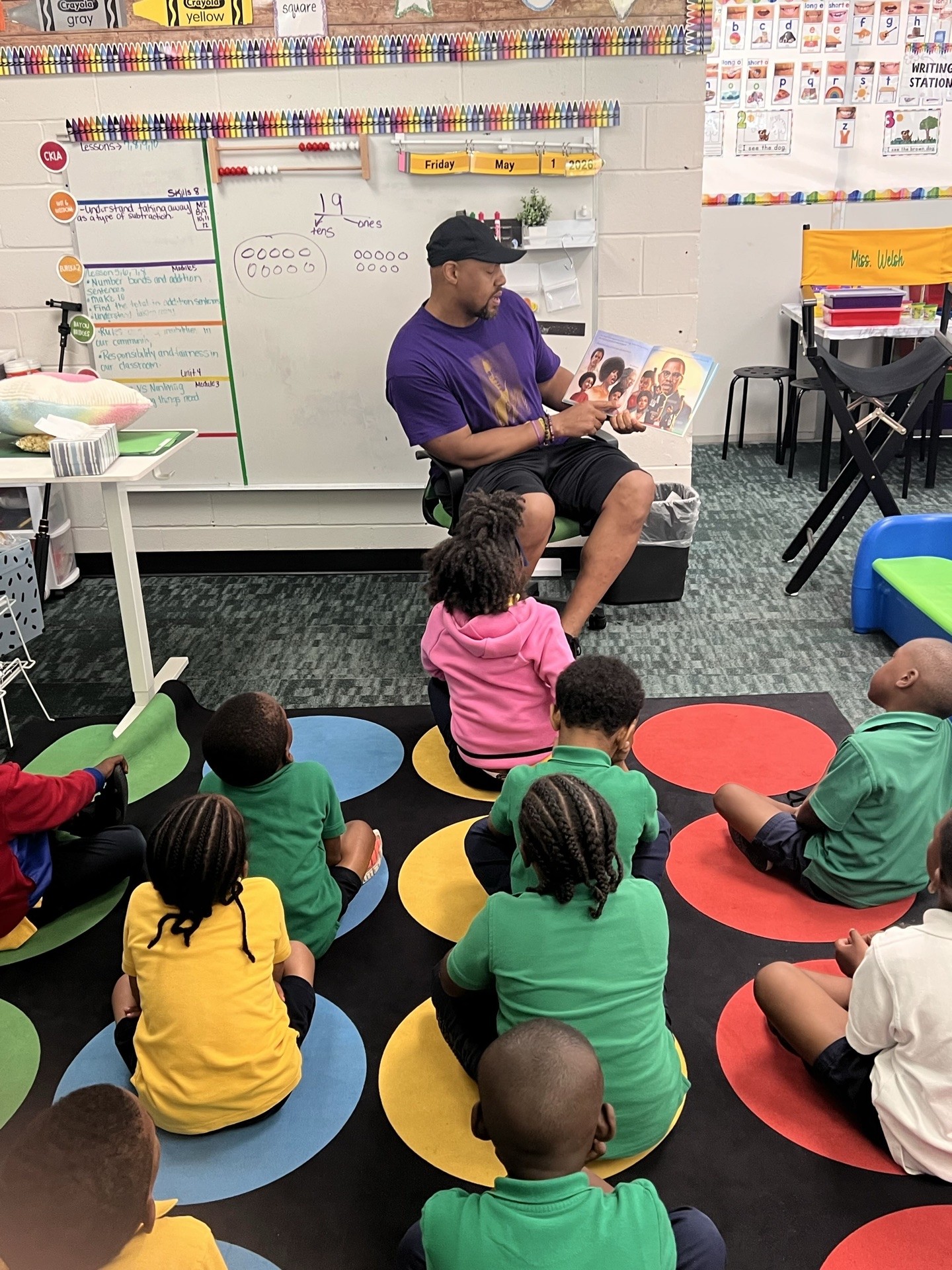
Because leadership begins long before someone receives a title, children can learn
early that character is what you do when no one is watching. Accountability means
owning your decisions; perseverance means continuing when things become difficult;
teamwork means helping others succeed; and service means using your gifts to make
someone else’s life better. My fraternity inspired my book. Omega Psi Phi Fraternity,
Inc.'s cardinal principles, which I live by every day, are manhood, scholarship, perseverance
and uplift. Establishing principles early will develop better leaders, citizens, teammates
and human beings.
How has your definition of success changed from when you were a college athlete to
what it means to you today?
As a young athlete, success was often measured by wins, championships, statistics,
playing time, making it to the NFL and achieving personal goals. Today, my definition
is much broader.
Success is about impact. It is about the lives you touch, the people you help, the
opportunities you create, the family and relationships you nurture, being a great
husband and father and what remains because you were willing to serve. My greatest
victories today are seeing other people win. Overcoming adversity, changing your circumstances.
You've received recognition for your service, but what moments or accomplishments
are you personally most proud of?
I'm grateful for every honor, but two stand out. The East Baton Rouge Parish Metropolitan
City Council proclaimed June 26 as "Chuck Wiley Day" in Baton Rouge and East Baton
Rouge Parish. Being recognized in your hometown means your community feels the impact
and that you're giving back to the place that poured so much into you first.
I'm also deeply proud to have received the President's Volunteer Service Award from
President Obama for community service and volunteering. That one still humbles me
every time I think about it.
What continues to motivate you to serve, mentor and invest in others after so many
years of doing this work?
God. God is my motivation.
When you think about your legacy, what do you hope the people you've taught, mentored
and served will carry forward?
To the people I mentored or served, all I can say is, "Make A Difference!" In addition,
I don't want my legacy to be measured in stats, awards or titles. I want people to
remember that I served, opened doors, helped others win, and uplifted my communities
because I'm a bridge builder. A true leader. A devoted husband and father. An Omega
Man. An LSU Tiger. Geaux Tigers!