
Computational Materials Science
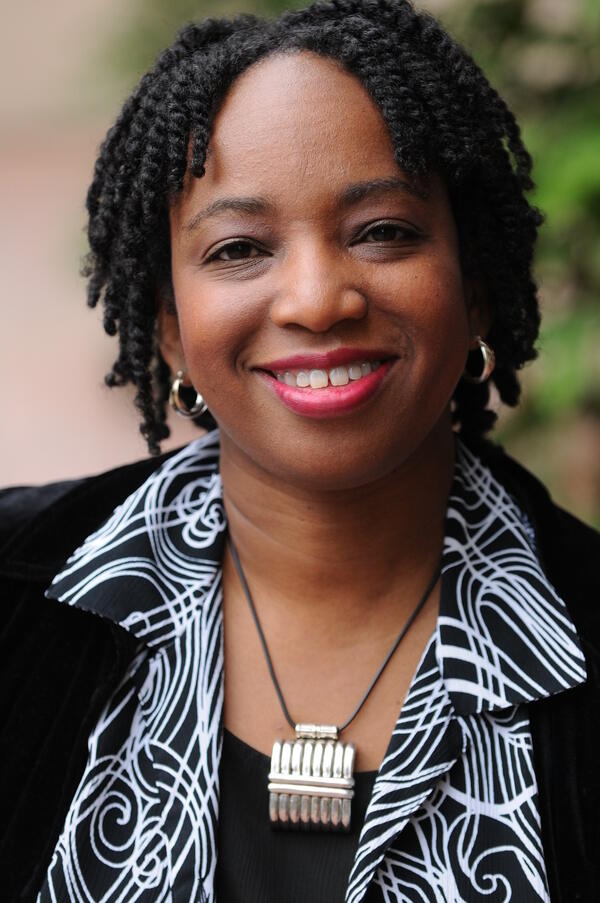
Theda Daniels-Race
Theda Daniels-Race is an M. B. Voorhies Distinguished Professor in the Division of Electrical and Computer Engineering at Louisiana State University, with a joint appointment at the Center for Computation & Technology (CCT). Daniels-Race earned her B.S. in Electrical Engineering from Rice University, with an introduction to chemistry under the late Nobel Laureate, Professor Richard E. Smalley. She was the recipient of a national engineering fellowship for her M.S. at Stanford University and earned her Ph.D. from Cornell University, with a fellowship awarded by AT&T Bell Laboratories, also in electrical engineering with an emphasis in electro-physics (nanoelectronics).
Prior to joining LSU in 2003, Daniels-Race served on the faculty at Duke University (1989-2003), where she established and led the university’s first molecular beam epitaxy (MBE) laboratory and research program in compound semiconductor epitaxial crystal growth. As a visiting professor at The University of Texas (UT) at Austin (1995), she conducted research on superlattices and multi-layered III-V semiconductor nanostructures at UT's Microelectronics Research Center. Her scientific work spans electronic materials growth, device fabrication, and nanoscale characterization, including atomic force microscopy (AFM), Raman spectroscopy, and custom-designed instrumentation. Founder of the NEST (Nano Electronic Structures & Technology) Lab, Daniels-Race and her students explore nanoscale electro-optical phenomena in hybrid electronic materials to advance next-generation electronic device technologies. She also conducts educational research sponsored by the National Science Foundation's Directorate for STEM Education.
Daniels-Race has an extensive record of service and accomplishments in academia, industry, and government. These include university appointments to positions such as Provost's Fellow, program director for the School of Collaborative Academic Programs, interim chair of the Learning and Teaching Collaborative, and election to the Faculty Senate. Daniels-Race is an ELATES (Executive Leadership in Academic Technology, Engineering & Sciences) Fellow. She received a Professor of Excellence Award from Worley Corporation (2023). Daniels-Race has served as a member of the Committee of Visitors for both the National Science Foundation and the Department of Energy. She was sworn in as a member of the U.S. Department of Energy's Basic Energy Sciences Advisory Committee (2022-2025).
Revati Kumar is a Professor in the Department of Chemistry at Louisiana State University, with a joint appointment at the Center for Computation & Technology (CCT).
Kumar earned her B.Sc. and M.Sc. degrees in Chemistry from Bangalore University and her Ph.D. in Chemistry from the University of Wisconsin–Madison. She completed postdoctoral research at the University of Chicago, Boston University, and the University of Pittsburgh before joining LSU in 2013.
Her research focuses on computational chemistry and molecular simulations, combining classical and quantum methods to study systems ranging from electrolytes and ionic liquids to biomolecular interfaces. Her group develops multiscale modeling frameworks to understand solvation, reactivity, and transport processes in complex chemical environments.
Kumar’s accomplishments include the NSF CAREER Award (2019), the American Chemical Society OpenEye Junior Faculty Award (2019), and the LSU Alumni Association Rising Faculty Research Award (2020). She has also received the European Union Erasmus+ Faculty Teaching and Research Award (2016) and the Tiger Athletic Foundation College Undergraduate Teaching Award (2016).
Revati Kumar
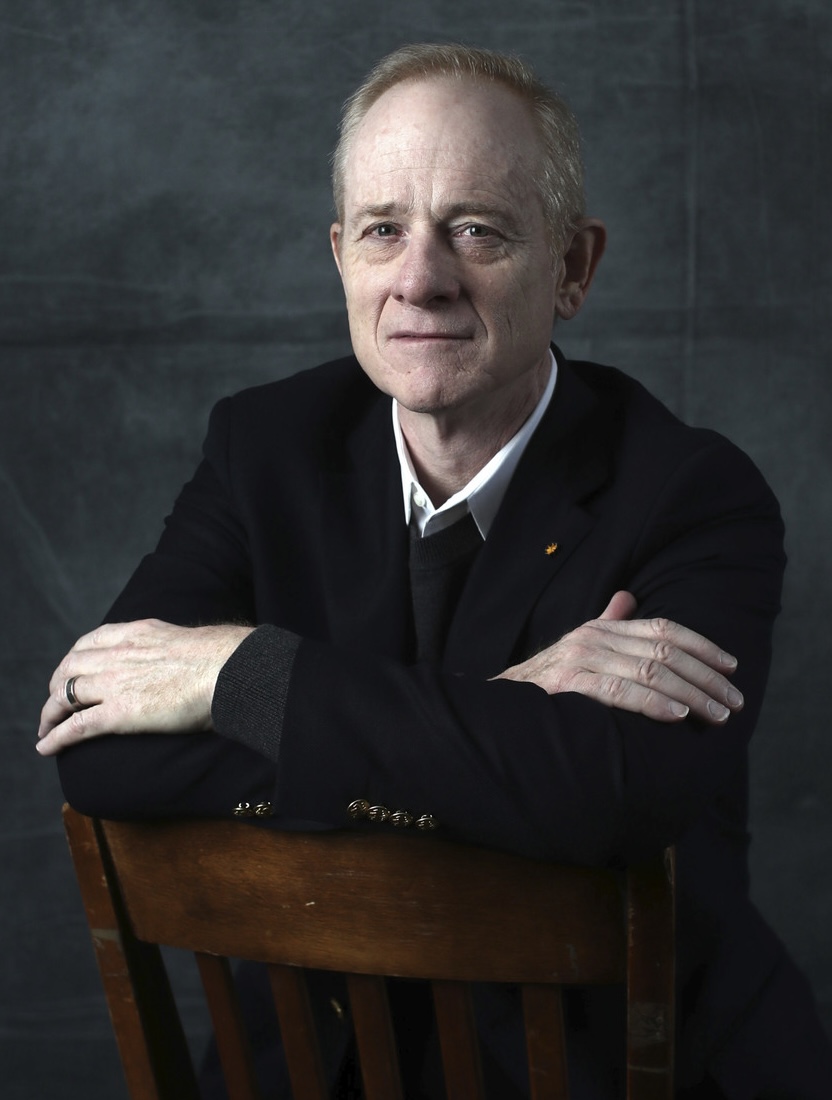
Robert Lipton
Robert Lipton is the Nicholson Professor in the Department of Mathematics at Louisiana State University and an Adjunct Professor at the Center for Computation & Technology (CCT).
Lipton earned his B.S. in Electrical Engineering from the University of Colorado in 1981 and his M.S. (1984) and Ph.D. (1986) in Mathematics from the Courant Institute of Mathematical Sciences at New York University. Before joining LSU, he served on the faculty at Worcester Polytechnic Institute and as a C.B. Morrey Assistant Professor at the University of California, Berkeley.
His research focuses on the multi-scale analysis of heterogeneous media, with applications in photonics, metamaterials, fracture mechanics, and composite materials. He studies wave phenomena arising from sub-wavelength resonances and multiple scattering, non-local models of fracture and interface formation, and the influence of microstructure on macroscopic material behavior and strength.
Lipton is a Fellow of the American Mathematical Society, a Fellow of the Society for Industrial and Applied Mathematics, and a Fellow of the American Association for the Advancement of Science.
Kenneth Lopata is a Professor in the Department of Chemistry at Louisiana State University, with a joint appointment at the Center for Computation & Technology (CCT).
Lopata earned his B.S. in Chemical Physics from the University of Toronto in 2004 and his Ph.D. in Physical Chemistry from the University of California, Los Angeles in 2010. He was a Wiley Postdoctoral Fellow at the Environmental Molecular Sciences Laboratory of the Pacific Northwest National Laboratory from 2010 to 2013 before joining LSU.
His research focuses on charge migration, interactions of molecules and solids with intense laser fields, and X-ray absorption and scattering for probing attosecond processes.
Ken Lopata
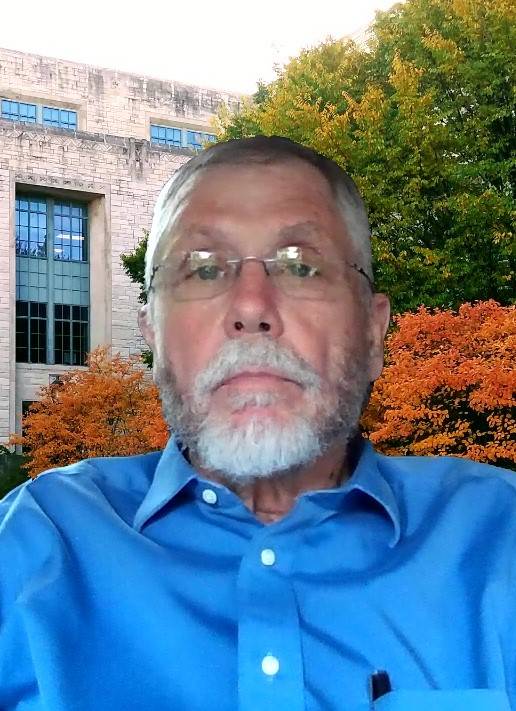
James Sauls
James A. Sauls is the Hearne Chair of Theoretical Physics in the Department of Physics and Astronomy at Louisiana State University, with a joint appointment at the Center for Computation & Technology (CCT). He also serves as Co-Director of the Horace Hearne Institute for Theoretical Physics.
Sauls earned his B.S. in Engineering Physics from the Colorado School of Mines in 1975 and his Ph.D. in Physics from the State University of New York at Stony Brook in 1980. He conducted postdoctoral research at Princeton University (1980–1983), NORDITA in Copenhagen, and the Helsinki University of Technology (1983–1984), before joining the Princeton University physics faculty (1983–1987). From 1987 to 2022, he was a member of the faculty in the College of Arts and Sciences at Northwestern University in Evanston, Illinois, where he most recently held the title of Sarah Rebecca Roland Professor of Physics.
His current research spans condensed matter physics, quantum field theory, and quantum information science and technology.
William A. Shelton is a Professor in the Department of Physics and Astronomy at Louisiana State University, with a joint appointment at the Center for Computation & Technology (CCT).
Shelton earned his Ph.D. in Condensed Matter and Materials Physics from the University of Cincinnati in 1989. Before joining LSU in 2013, he served as Distinguished Senior Research Staff at Oak Ridge National Laboratory (1992–2010) and as Associate Director of the Environmental Molecular Sciences Laboratory at the Pacific Northwest National Laboratory (2010–2013).
His research lies in the general area of disordered systems, alloy theory, and surface science, with a focus on incorporating magnetic and chemical disorder—including point defects such as vacancies and anti-sites—into materials and chemistry studies.
Shelton is the recipient of three IEEE Gordon Bell Awards, the Computerworld Smithsonian Award, and the Blue Obelisk Award for open data and data standards.
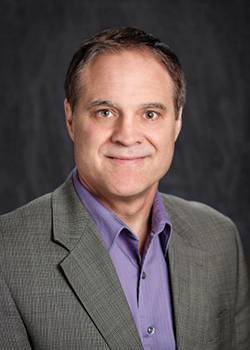
Bill Shelton
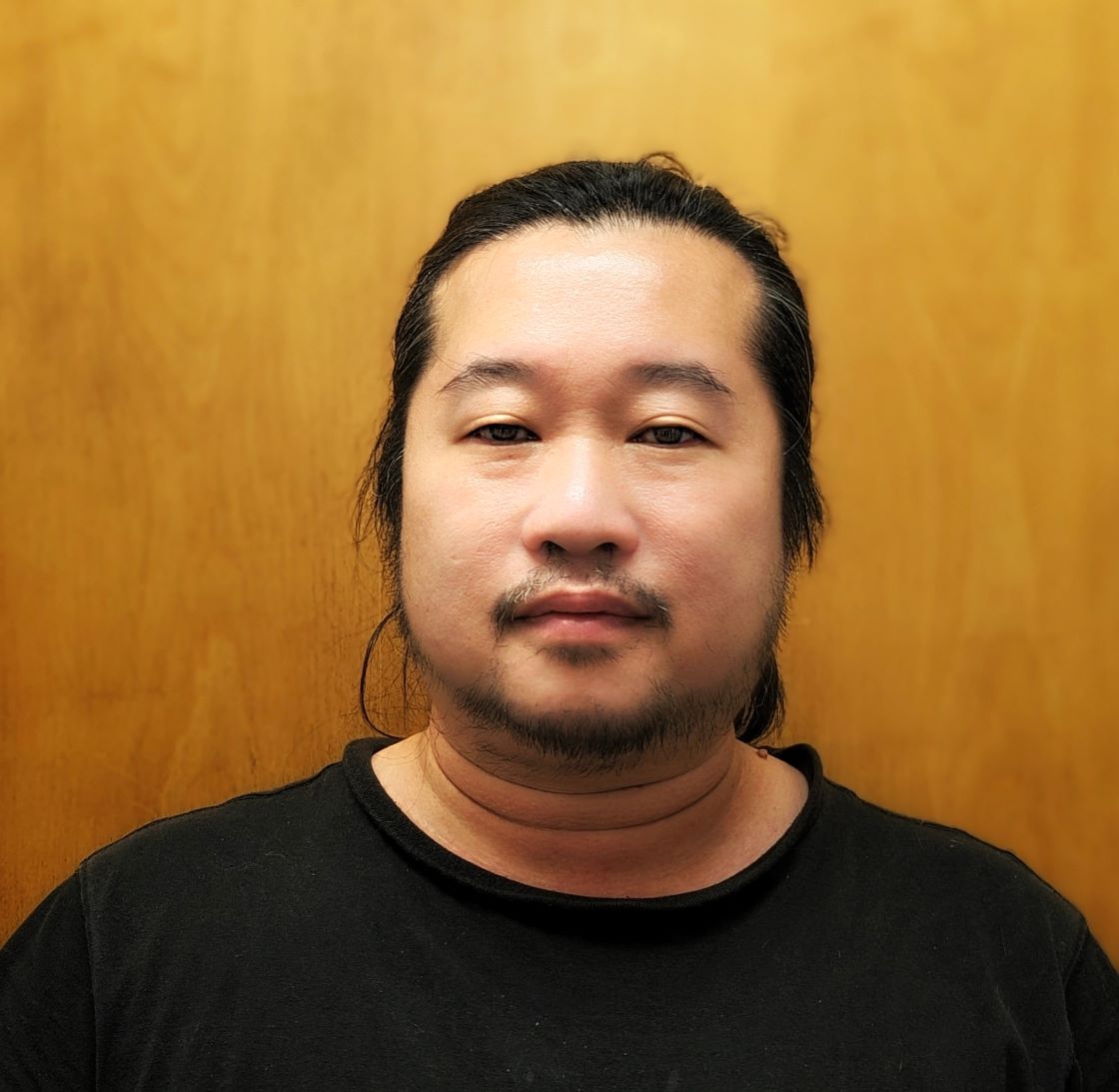
Ka Ming Tam
Ka Ming Tam is a Research Assistant Professor in the Department of Physics and Astronomy at Louisiana State University, with a joint appointment at the Center for Computation & Technology (CCT).
Tam earned his Ph.D. in Theoretical and Computational Physics from Boston University in 2008.
His research focuses on computational condensed-matter physics and materials science, particularly on strongly correlated electron systems and quantum materials. Using high-performance computing and advanced numerical methods, he studies emergent phenomena such as superconductivity, magnetism, and quantum phase transitions in complex materials. His work contributes to understanding the quantum behavior of materials and connects closely with efforts in quantum materials research.
Georgios Veronis is a Professor in the School of Electrical Engineering and Computer Science at Louisiana State University, with a joint appointment at the Center for Computation & Technology (CCT).
Veronis earned his M.S. (1999) and Ph.D. (2002) in Electrical Engineering from Stanford University. He served as a Postdoctoral Fellow and later as an Engineering Research Associate at Stanford’s Ginzton Laboratory (2002–2007) before joining LSU in 2008.
His research focuses on the theory and simulation of photonic materials, nanoscale photonic devices, plasmonics, and computational electromagnetics. He develops modeling techniques to design and optimize high-performance photonic and nanoplasmonic systems.
Veronis is a Fellow of the SPIE – the International Society for Optics and Photonics (2023) and holds the Rubicon Professorship of Engineering in the LSU College of Engineering. His honors include the National Science Foundation CAREER Award (2013) and the Charles P. Siess, Jr. Professorship for Career Development (2012–2014).
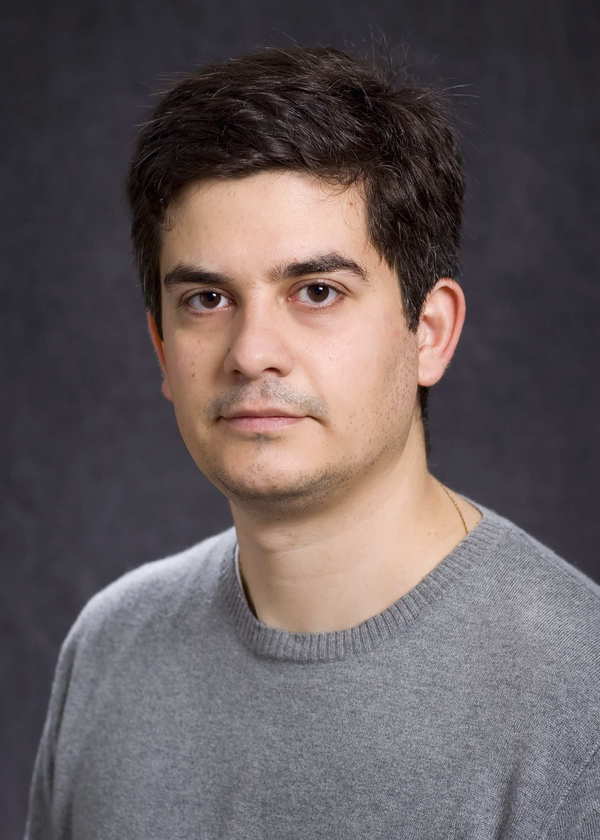
Georgios Veronis
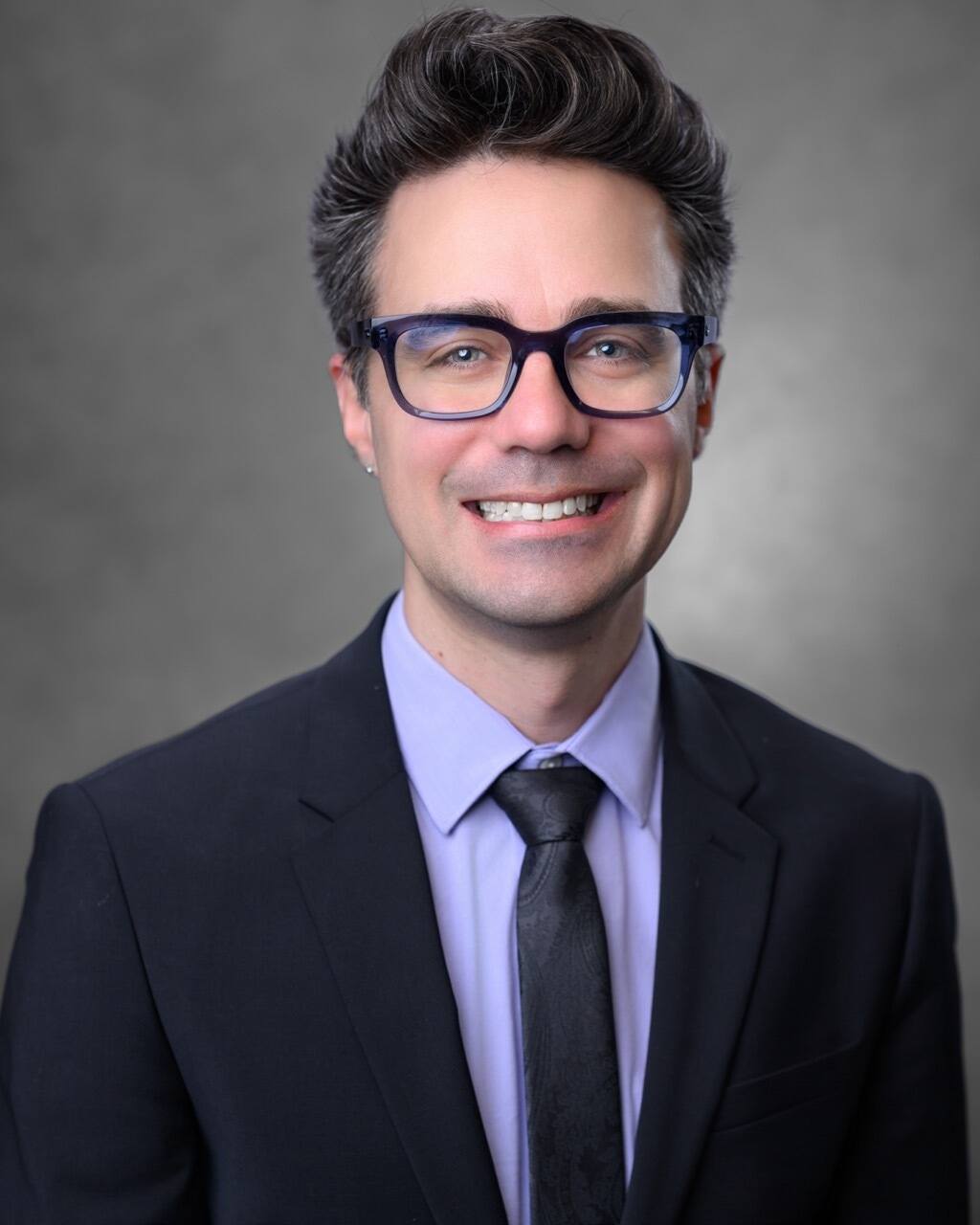
Justin Wilson
Justin Wilson is an Assistant Professor in the Department of Physics and Astronomy at Louisiana State University, with a joint appointment at the Center for Computation & Technology (CCT).
Wilson earned his Ph.D. in Physics from the University of Maryland, College Park, in 2015. He conducted postdoctoral research at the California Institute of Technology and Rutgers University before joining LSU in 2021.
His research focuses on quantum materials and the control of dynamic quantum phases, with applications to quantum computing and next-generation technologies. In 2023, he received a National Science Foundation CAREER Award for his project “Active Feedback to Control Dynamic Quantum Phases.”