
Coastal Research
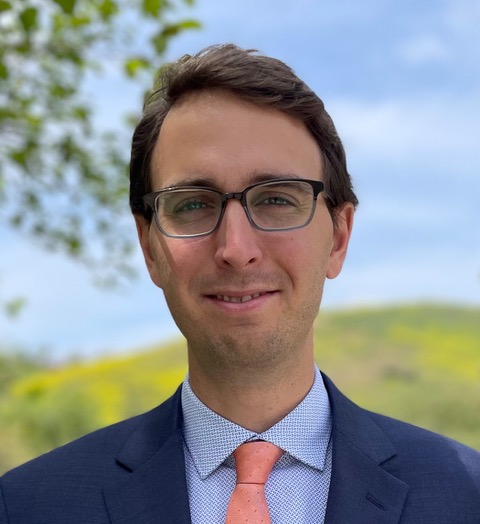
Matthew Brand
Matthew Brand is an Assistant Professor in the Department of Civil and Environmental Engineering at Louisiana State University, with a joint appointment at the Center for Computation & Technology (CCT).
Brand earned his B.S. (2015) and M.S. (2016) degrees in Environmental Engineering from the University of Vermont and his Ph.D. (2020) in Environmental Engineering from the University of California, Irvine. He completed postdoctoral research in the Coastal Ecosystems Division at the Pacific Northwest National Laboratory in Sequim, Washington (2021–2023) before joining LSU in January of 2024.
His research focuses on developing process-based models of coastal systems that capture human and natural influences on dynamics, risks, and impacts. He applies these models to improve understanding of coastal processes and support climate adaptation, with interests in marsh response to sea-level rise, hydro-financial modeling, stochastic decision-support tools, and data-model synthesis.
Muriel Brückner is an Assistant Professor in the Department of Civil and Environmental Engineering at Louisiana State University, with a joint appointment at the Center for Computation & Technology (CCT) and a focus on coastal engineering.
Brückner earned her B.S. and M.S. degrees in Civil and Environmental Engineering from Technische Universität Braunschweig in Germany and her Ph.D. in Physical Geography from Utrecht University in the Netherlands in 2021. She conducted postdoctoral research at the University of Exeter in the United Kingdom (2021–2023) and at the University of Texas at Austin (2023–2024) before joining LSU in 2024.
Her research focuses on coastal processes, sediment transport, and biogeomorphology, using numerical modeling to study the interactions between physical and biological factors shaping coastal landscapes.
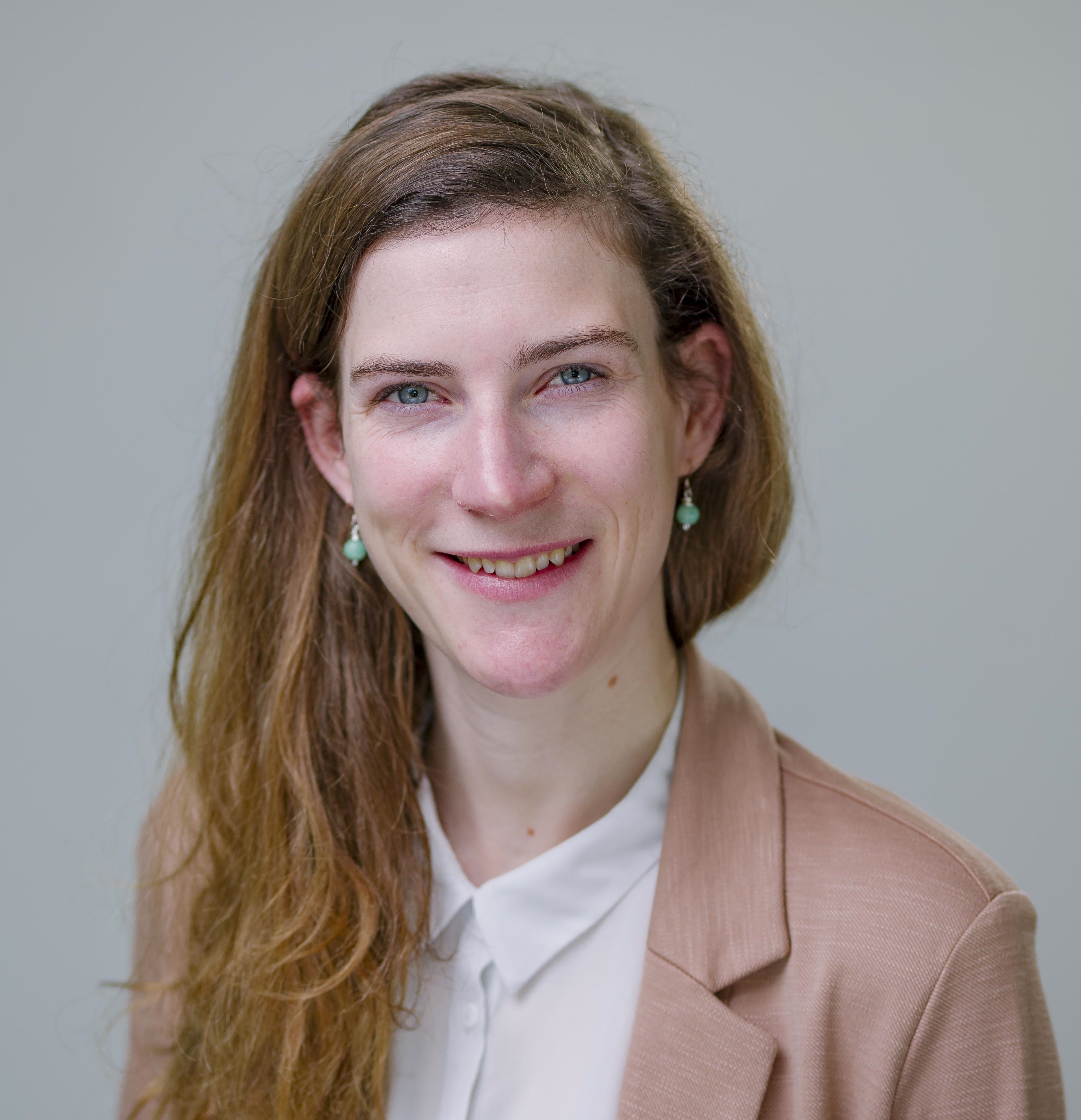
Muriel Brückner
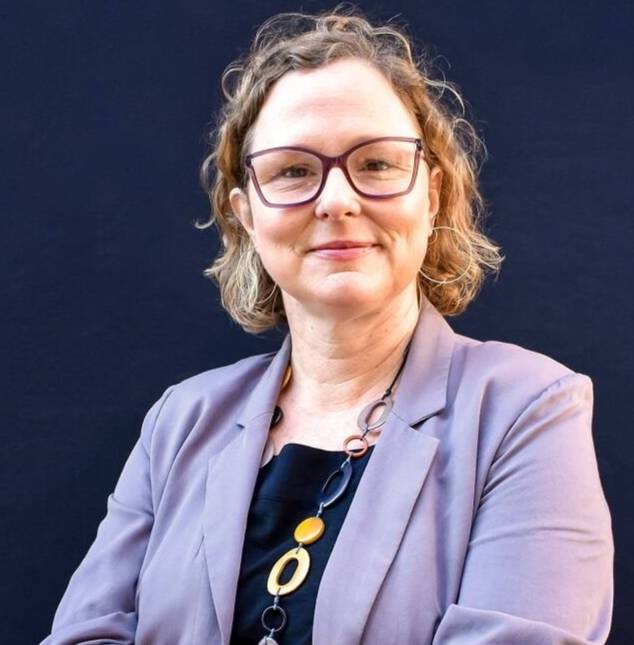
Cheryl Harrison
Cheryl S. Harrison is an Assistant Professor in the Department of Oceanography and Coastal Sciences at Louisiana State University, with a joint appointment at the Center for Computation & Technology (CCT).
Harrison earned her Associate degree in Physics with Honors (1993) from Cabrillo College, her B.S. in Mathematics with Honors (1997) from the University of California, Santa Cruz, and her M.S. (2007) and Ph.D. (2012). in Earth and Planetary Science from the University of California, Santa Cruz. She worked as a research scientist at University of Colorado Boulder, University of California Santa Barbara, the National Center for Atmospheric Research, and Oregon State University from 2012-2018 and was an Assistant Professor at the University of Texas Rio Grande Valley before joining LSU in 2021.
She is a biophysical oceanographer focusing on translating Earth System model simulations into ocean impact assessment, including marine ecology, fisheries, ocean biogeochemistry, nuclear winter, climate change and geoengineering. She is Earth system model coordinator for the Fisheries Model Intercomparison Project (FishMIP), a member of the Geoengineering Model Intercomparison Project (GeoMIP), and an Assistant Editor for Earth's Future.
Carola Kaiser is an IT Consultant and GIS Specialist at the Center for Computation & Technology (CCT) at Louisiana State University, where she works with the Coastal Emergency Risks Assessment (CERA) team.
Kaiser earned her M.S. in Cartography and Geoinformatics from the Technical University of Dresden in Germany in 1991. She joined LSU in 2005 and has worked on major coastal and emergency management initiatives, including the Coastal Louisiana Ecosystem Assessment & Restoration (CLEAR) project and, since 2008, the CERA program. She became part of CCT in 2013.
Her work centers on the development of automated visualization workflows and interactive web-mapping systems for hurricane storm surge forecasts based on the ADCIRC model. She leads software development, data management, and script automation for the CERA platform, which serves clients such as NOAA, GOHSEP, the National Weather Service, the U.S. Army Corps of Engineers, and the U.S. Coast Guard.
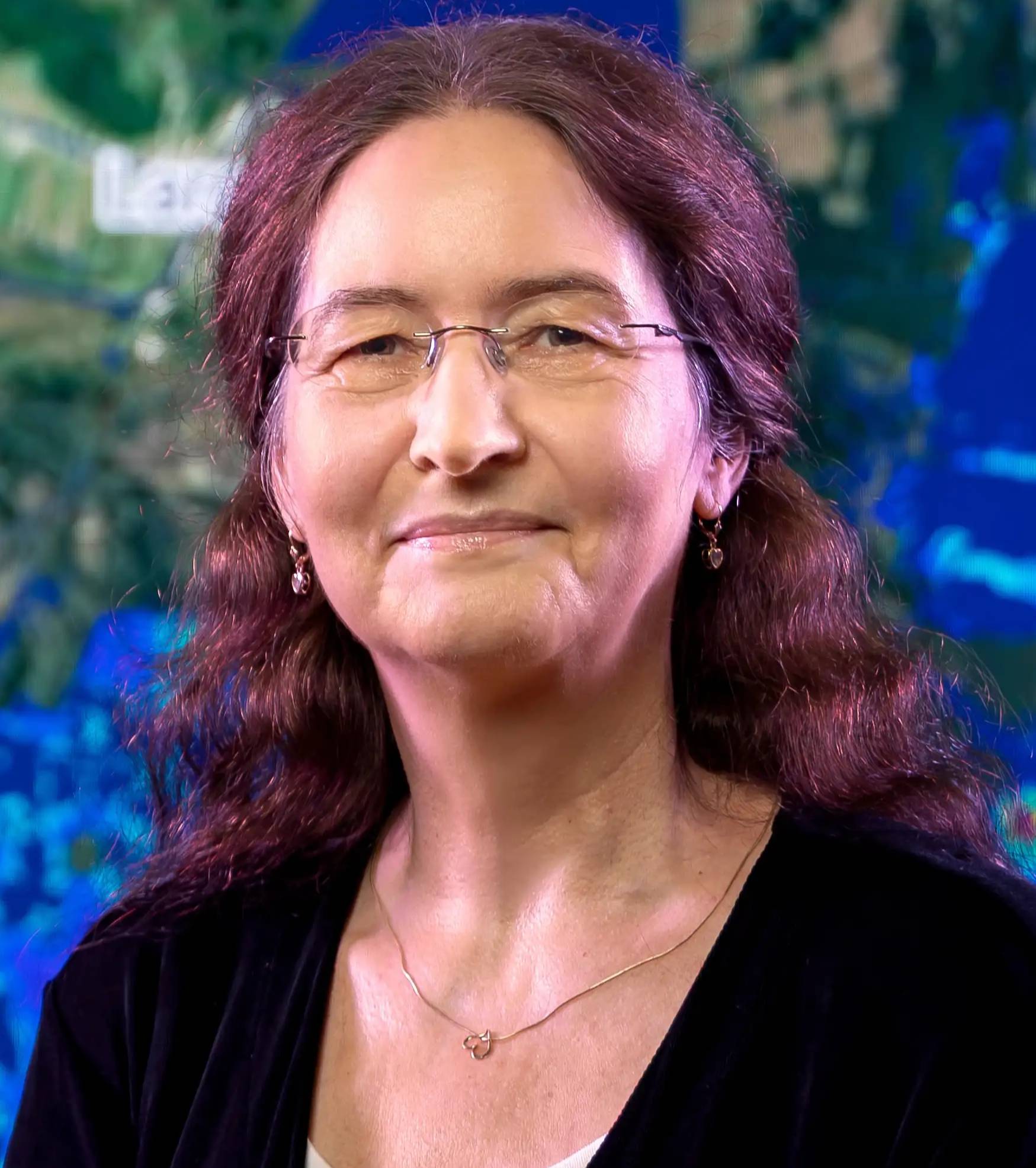
Carola Kaiser
Chris Kees
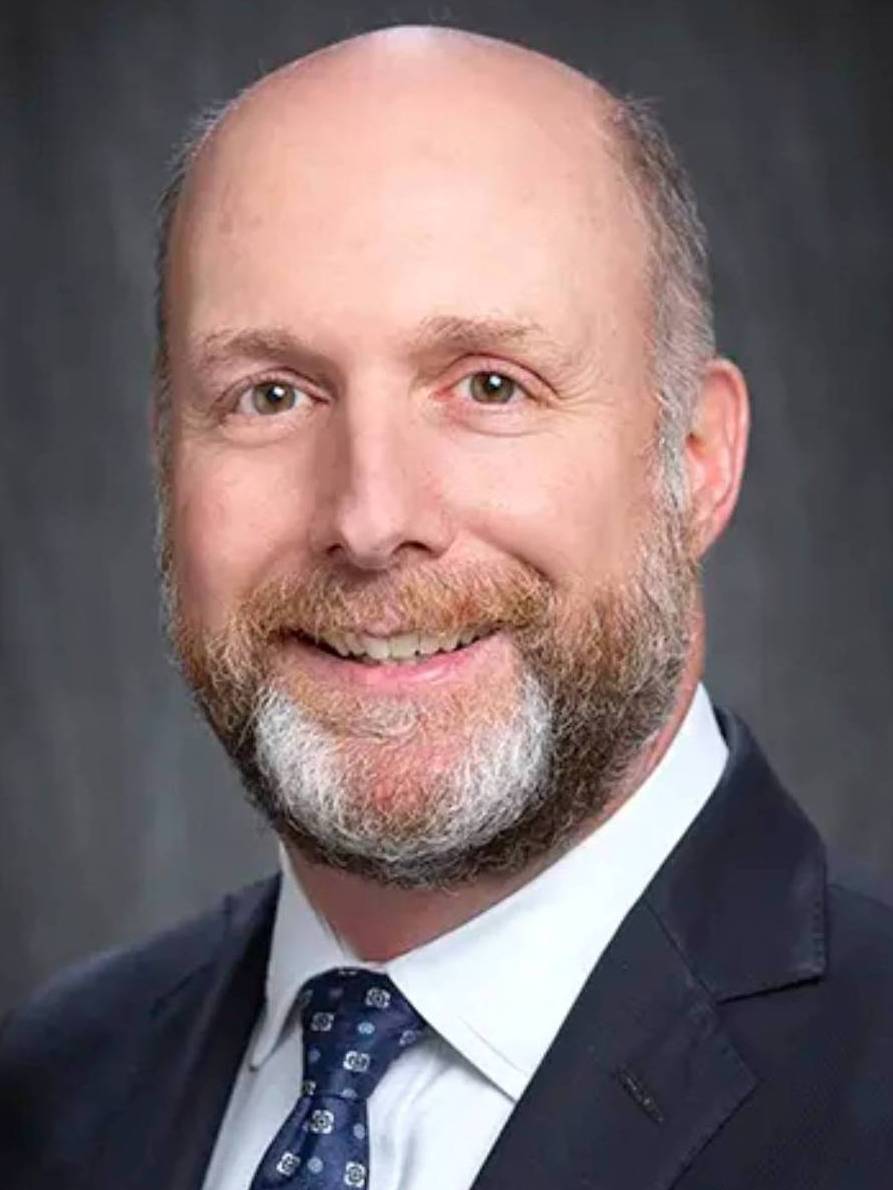
Chris Kees is the CSRS Distinguished Professor in the Department of Civil and Environmental Engineering at Louisiana State University, with a joint appointment at the Center for Computation & Technology (CCT). He also serves as Director of the Coastal Ecosystem Design Studio.
Kees earned his B.S. in Mathematics from Millsaps College in 1994, his M.S. in Mathematics from the University of North Carolina at Chapel Hill in 1996, and his Ph.D. in Environmental Science and Engineering from the University of North Carolina at Chapel Hill in 2001. He held postdoctoral fellowships at the University of North Carolina (2001–2002) and North Carolina State University (2002–2004) before joining the U.S. Army Engineer Research and Development Center, where he served from 2005 to 2020.
His research focuses on fluid–structure interaction, multiphase fluid dynamics, sediment dynamics, and coastal and riverine processes, with particular interest in advancing computational methods for modeling complex water wave and sediment transport phenomena.
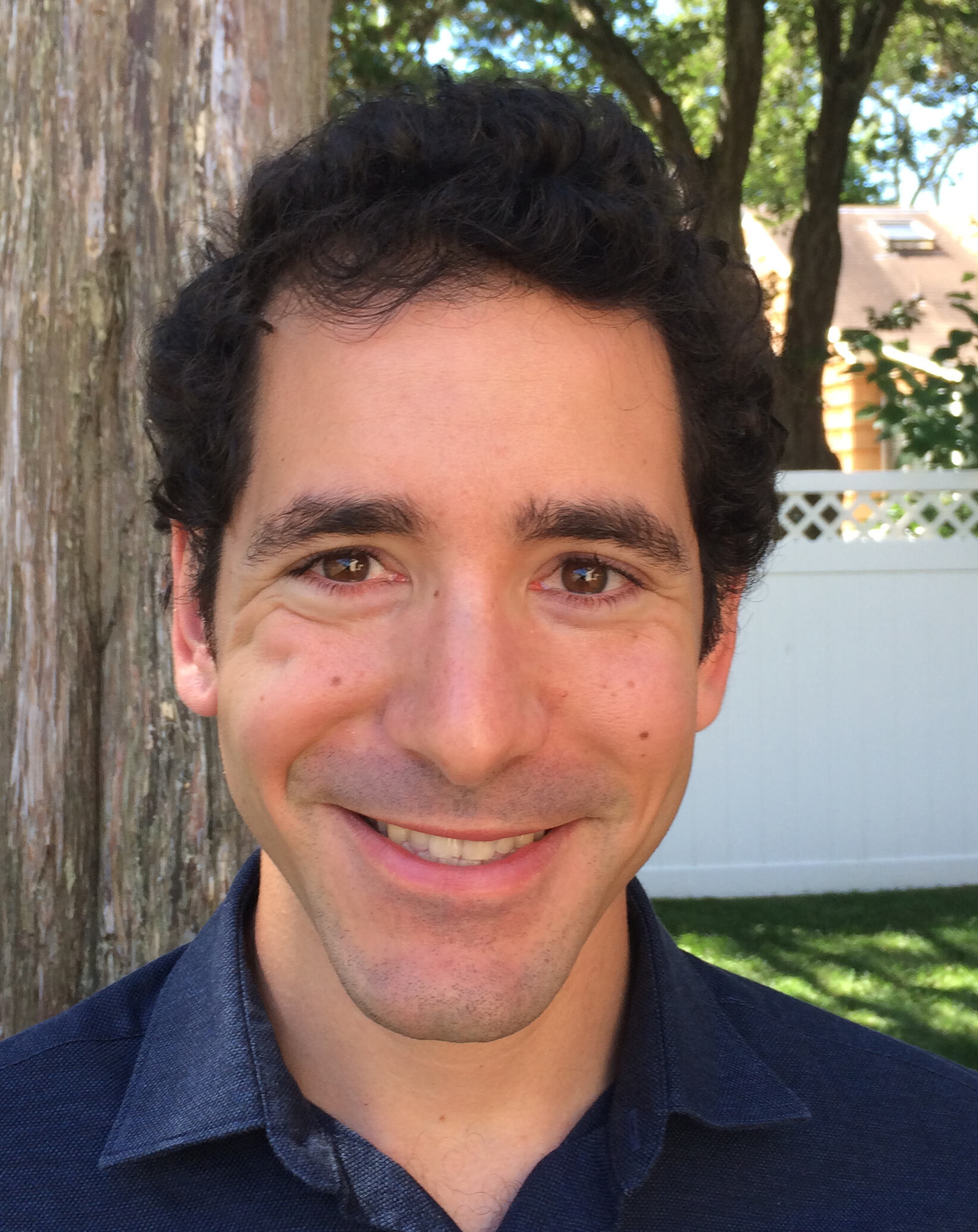
Giulio Mariotti is an Associate Professor in the Department of Oceanography and Coastal Sciences at Louisiana State University, with a joint appointment at the Center for Computation & Technology (CCT).
Mariotti earned his B.S. (2005) and M.S. (2008) degrees in Environmental Engineering from the University of Florence in Italy and his Ph.D. (2013) from Boston University. He joined LSU in 2015.
His research focuses on the processes that shape coastal environments, coupling physical and biochemical aspects such as ecogeomorphology and biogeology. He integrates mathematical modeling, laboratory experiments, and fieldwork to study topics including wetland response to sea-level rise, sediment–biofilm interactions, and carbonate platform sedimentary processes.
Giulio Mariotti
Celalettin Emre Özdemir
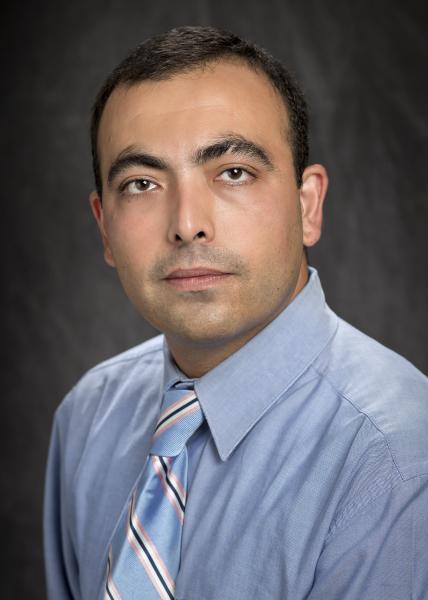
Celalettin Emre Özdemir is an Associate Professor in the Department of Civil and Environmental Engineering at Louisiana State University, with a joint appointment at the Center for Computation & Technology (CCT).
Özdemir earned his B.S. (2001) and M.S. (2003) degrees in Civil Engineering from the Middle East Technical University in Ankara, Turkey, and his Ph.D. (2010) in Civil Engineering from the University of Florida. He conducted postdoctoral research at the University of Delaware’s Center for Applied Coastal Research (2010–2012) and at the Woods Hole Oceanographic Institution (2012–2014) before joining LSU as an Assistant Professor in 2014.
His research focuses on environmental fluid dynamics, computational sediment transport, and multiphase flow modeling. He develops advanced computational methods to simulate multi-scale turbulent processes, sediment–fluid interactions, and complex flow environments, with applications to coastal and environmental sustainability.
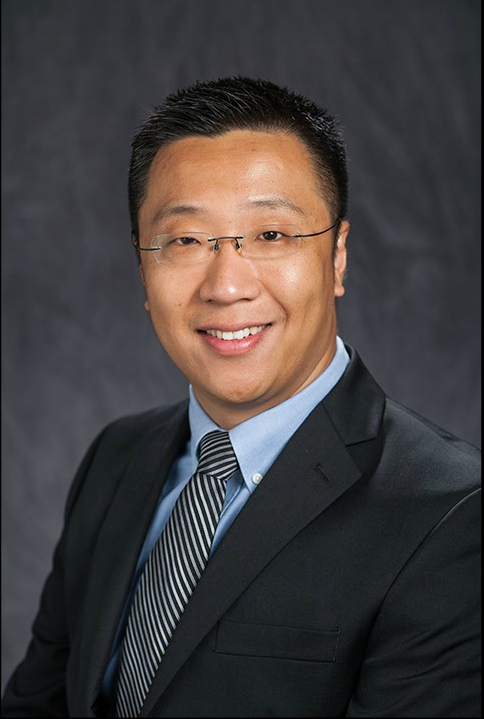
Zuo “George” Xue is a Professor in the Department of Oceanography & Coastal Sciences at Louisiana State University, with a joint appointment at the Center for Computation & Technology (CCT). He leads one of the nation’s strongest regional ocean-modeling groups, specializing in high-resolution, fully coupled land–river–ocean–atmosphere modeling and hybrid numerical–AI/ML forecasting systems.
Xue earned his Ph.D. in Marine Sciences from North Carolina State University in 2010 and joined LSU in 2014 after postdoctoral and research professor appointments at NC State. His research spans physical–biogeochemical ocean modeling, coastal carbon cycling, compound flooding, and data-assimilative digital-twin systems. He directs the Coupled Ocean Modeling Group, which develops and operates the Gulf of Mexico Coastal Hazards Forecast System (GMx-CHFS)—a next-generation modeling platform integrating ROMS, WRF-Hydro, COAWST, wave/surge models, and machine-learning accelerators for real-time coastal hazard prediction.
Xue is internationally recognized for advancing hybrid numerical–AI modeling frameworks, including the Prediction-to-Map (P2M) rapid-flood forecasting system and a fully coupled 3D ocean–hydrology model that significantly improves prediction of hurricane-driven compound flooding across the Mississippi–Gulf continuum. His group also develops high-resolution coastal carbon cycle and marine biogeochemistry models to quantify CO₂ sources, sinks, and climate–carbon feedbacks on river-dominated continental shelves.
He received the LSU Rainmaker Award in STEM (Mid-Career) in 2022 and has been PI or co-PI on more than $45 million of externally funded research. His work supports federal agencies such as NASA, NOAA, NSF, BOEM, USGS, and the NASEM Gulf Research Program and plays a key role in regional resilience, coastal restoration, and climate-carbon science.
Zuo “George” Xue