
Dean Jonathan Earle to Discuss New Book at Hill Memorial Library
August 14, 2026
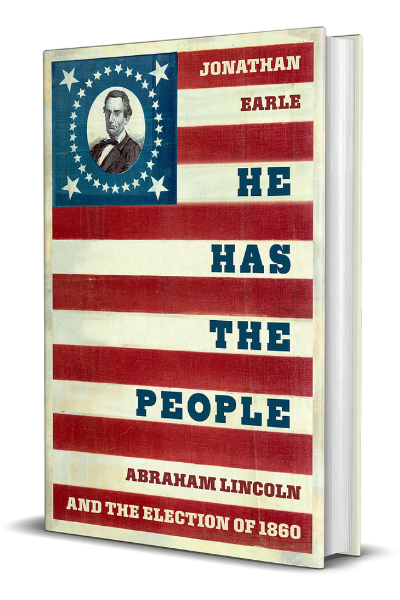 Jonathan Earle, dean of the Roger Hadfield Ogden Honors College, will present a book
talk and Q&A on his new book on Wednesday, Sept. 9, at Hill Memorial Library on the
LSU campus.
Jonathan Earle, dean of the Roger Hadfield Ogden Honors College, will present a book
talk and Q&A on his new book on Wednesday, Sept. 9, at Hill Memorial Library on the
LSU campus.
BATON ROUGE, La. — Jonathan Earle, dean of the Roger Hadfield Ogden Honors College at LSU, will present a book talk and Q&A on his new book, He Has the People: Abraham Lincoln and the Election of 1860, at 4:30 p.m. on Wednesday, Sept. 9, at Hill Memorial Library on the LSU campus.
Oxford University Press published the book in August 2026 as part of its “Pivotal Moments in American History” series. The book tells the story of how Lincoln built an unlikely coalition and won the election that reshaped American democracy.
Earle pulls from Murat Halstead’s original reporting from the campaign trail to present Lincoln as a canny politician navigating debates over slavery and national identity and analyzes the reach of federal power that continues to echo in American politics today.
The book has drawn notable attention since its release on Aug. 3: it ranked among the top ten bestsellers in U.S. History on Amazon in its first week and was reviewed in The Wall Street Journal.
The talk is free and open to the public.
About Dean Jonathan Earle
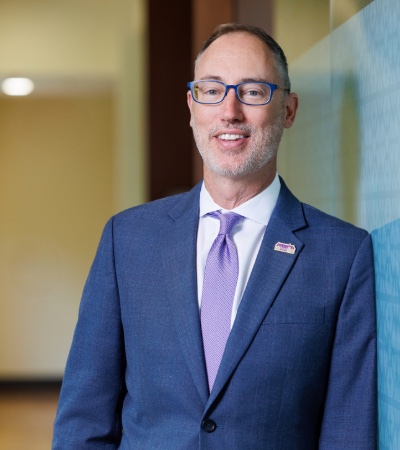 Dean Earle has led the LSU Ogden Honors College since 2014 and is a historian of the
antebellum United States. His previous books include Jacksonian Antislavery and the Politics of Free Soil, which won the 2005 Broussard First Book Prize, and the edited collection Bleeding Kansas, Bleeding Missouri: The Long Civil War on the Border. He has appeared on the History Channel, C-SPAN, and PBS.
Dean Earle has led the LSU Ogden Honors College since 2014 and is a historian of the
antebellum United States. His previous books include Jacksonian Antislavery and the Politics of Free Soil, which won the 2005 Broussard First Book Prize, and the edited collection Bleeding Kansas, Bleeding Missouri: The Long Civil War on the Border. He has appeared on the History Channel, C-SPAN, and PBS.
Prior to becoming dean of the Ogden Honors College, Earle was a longtime faculty member in the History Department at the University of Kansas, where he also served as Director of the University Honors Program and Associate Director of the Robert J. Dole Institute of Politics.
Growing up in and around the nation’s capital, Earle was surrounded by history, yet he found himself especially drawn to Abraham Lincoln and the turbulent era leading up to the Civil War.
Earle's personal involvement in politics and presidential campaigns stretches back to 1976, when he was still in elementary school, and informs his historical research and writing. "The ways politicians, pundits, and campaign workers translate ideas and issues into votes and movements is the central question to every book and article I’ve ever written," he said.